Recent months have seen Nigeria thrust back into the global spotlight due to a harrowing wave of school abductions, village raids, and attacks on worshippers in both churches and mosques. This surge in violence took on a new geopolitical edge when the United States launched Christmas Day airstrikes against jihadist strongholds in the north. Washington framed these actions as a necessary step to safeguard vulnerable Christian communities.
In light of these events, some American officials have begun using the term “Christian genocide” to describe the situation. However, the United Nations suggests that these high-profile incidents—and the narratives they foster—only tell a fraction of the story. The reality is a nation gripped by pervasive insecurity, fueling one of the most significant yet neglected humanitarian crises in Africa.
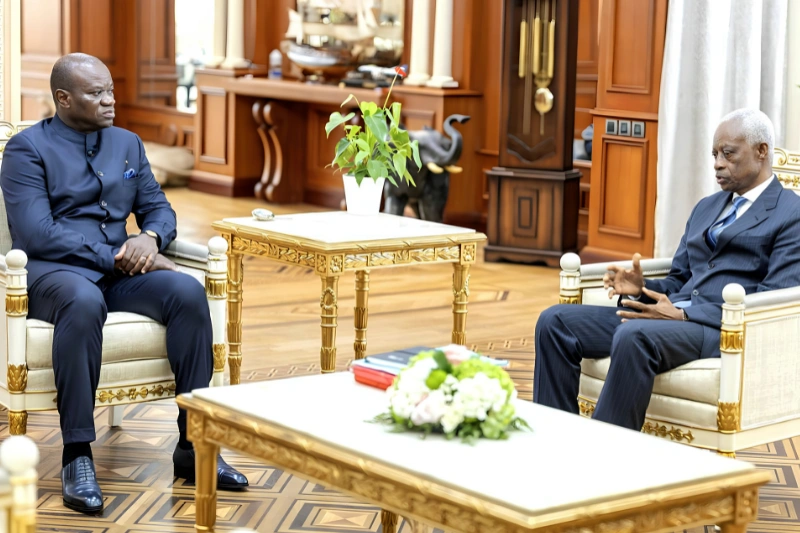
“Security remains a primary hurdle for Nigeria,” explains Mohamed Malik Fall, the UN Resident and Humanitarian Coordinator in the country. “It is no longer confined to a single area; it has become almost omnipresent.”
An insurgency that has crossed borders
The conflict’s origins are found in the North-East, where an armed rebellion began in 2009, led first by Boko Haram and later by factions like the Islamic State West Africa Province. Nearly twenty years later, this protracted war has left the nation deeply scarred.
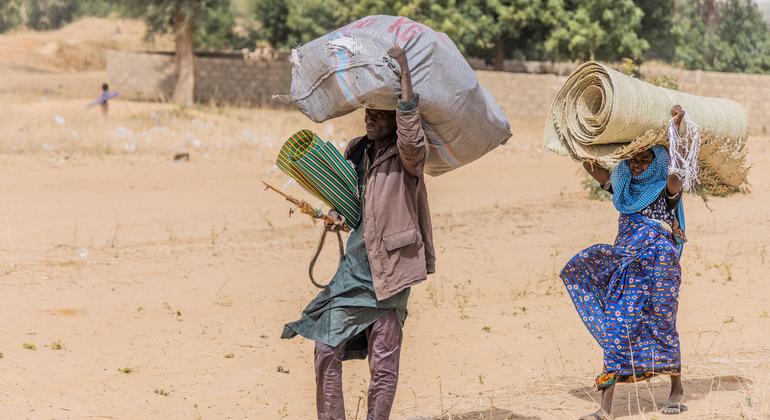
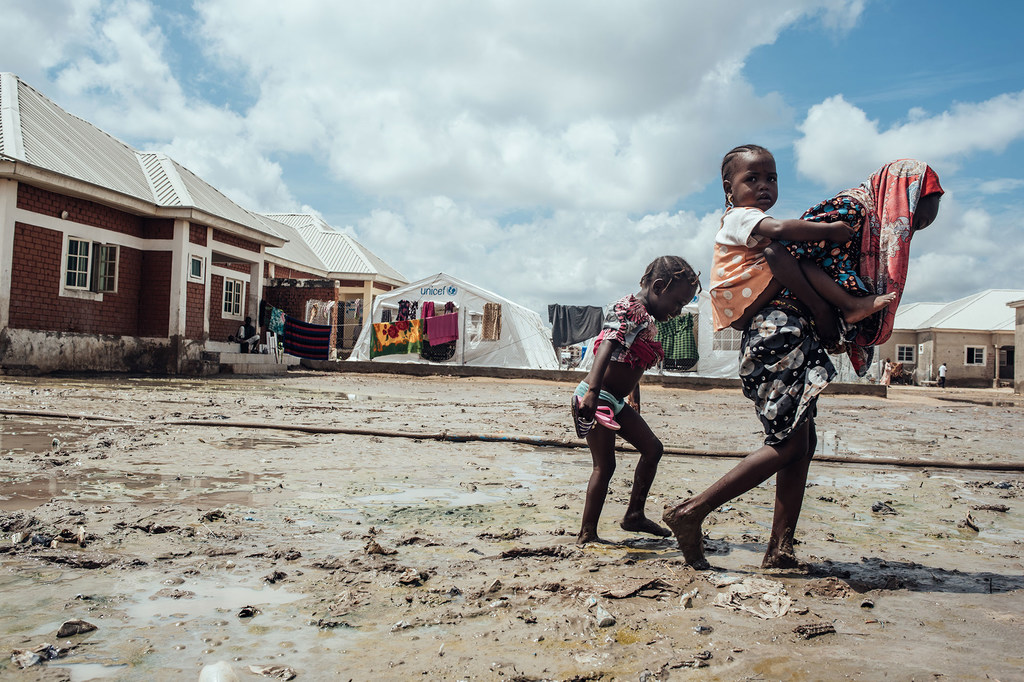
“Over two million individuals remain displaced, and this is not a short-term situation; an entire generation has been raised in displacement camps, knowing no other life,” Mohamed Malik Fall points out.
Reports indicate that more than 40,000 lives have been lost since the insurgency’s inception. Thousands of educational and healthcare facilities have been leveled, and vast agricultural regions are now death traps. Furthermore, the UN official emphasizes that “entire populations are severed from economic life, robbed of the chance to work for a living and maintain their dignity.”
Widespread banditry and regional disputes
Over time, the long-standing war has been joined by more fragmented forms of violence. In the North-West, states like Zamfara, Katsina, and Sokoto are battling what officials call “banditry”—criminal gangs that loot, kidnap for ransom, and terrorize the populace. “Entire communities have been abandoned. We are now looking at roughly one million displaced people in the North-West alone,” says Mohamed Malik Fall.
In the Middle Belt, clashes between farmers and herders over land rights, worsened by environmental changes and population growth, have triggered further displacement. Meanwhile, the South faces its own struggles with separatist movements and sabotage targeting the oil industry.
Consequently, with approximately 3.5 million people forced from their homes, Nigeria accounts for nearly 10% of all internally displaced persons across the African continent.
Blind violence rather than targeted genocide
The recent targeting of Christian schools and churches has reignited a fierce debate. In January, over 160 people were kidnapped during Sunday services in Kaduna State. Just days prior, attacks in the North-West left dozens dead, and students were once again abducted near the Papiri Catholic school.
These brutal events have brought back memories of the 2014 Chibok kidnapping in Borno State, where Boko Haram seized 276 mostly Christian schoolgirls. In response to the perceived threat against Christians by Islamist militants, the US administration conducted strikes on Christmas Day. Some in Washington now argue that a “Christian genocide” is occurring—a label the United Nations is hesitant to use, citing a lack of evidence for deliberate, singular targeting on the ground.
“I would not go so far as to label this violence as the targeted persecution of one religious group,” Mohamed Malik Fall states firmly. “The vast majority of the 40,000 people killed during this insurgency were Muslims. They have been targeted and murdered inside mosques.”
He points out that in Maiduguri, the epicenter of the conflict, a Christmas Eve attack hit an area between a mosque and a market, killing Muslim worshippers as they finished their prayers. “Insecurity strikes everyone, regardless of their faith or ethnicity,” he insists, warning that skewed narratives risk deepening social divides rather than fostering unity.
A massive humanitarian crisis with dwindling support
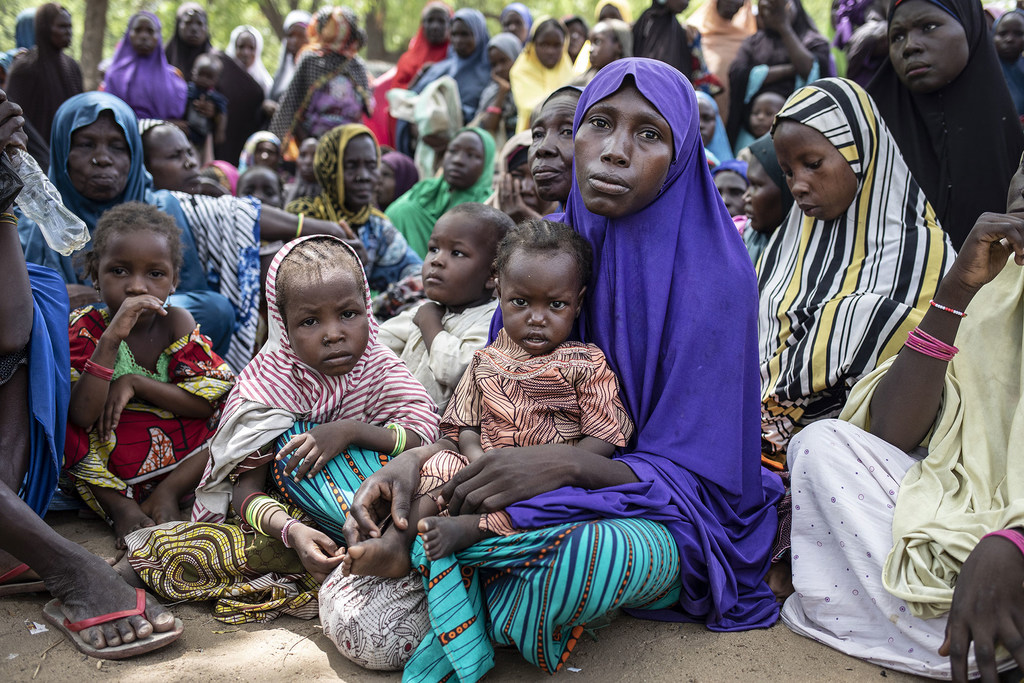
Beneath the security crisis lies a staggering humanitarian emergency. In the North-East alone, 7.2 million people require aid, with nearly 6 million in desperate or critical condition, according to UN data.
Food insecurity has taken center stage. Estimates suggest that up to 36 million people could face varying levels of hunger in the coming months. Among children under five, more than 3.5 million are at risk of acute malnutrition. “The impact isn’t just immediate,” warns Mohamed Malik Fall. “Malnutrition impairs cognitive growth and education, leaving a lasting mark into adulthood.”
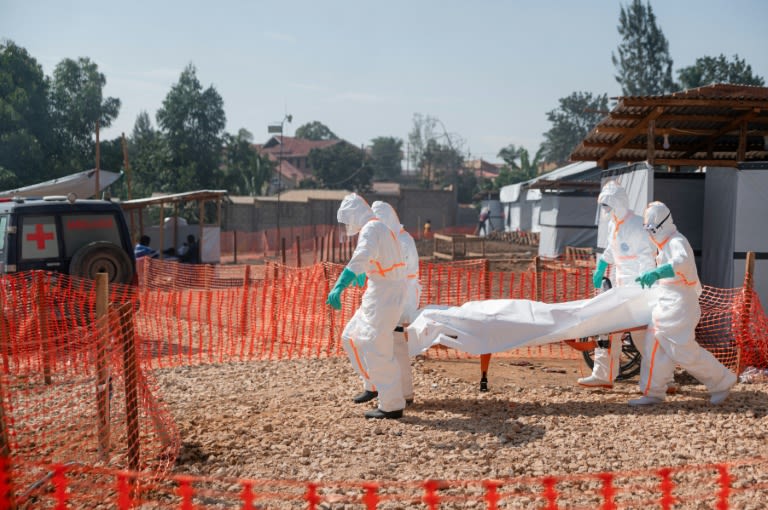
Compounding these issues are climate shocks—such as floods and droughts—along with outbreaks of cholera and meningitis, all straining a fragile health system. Despite the growing need, funding has plummeted. “Years ago, the humanitarian response plan was nearly a billion dollars annually,” the coordinator recalls. “In 2024, it was 585 million. Last year, we saw barely 262 million, and this year, reaching 200 million is far from certain.”
An economic giant’s path forward
The situation presents a striking paradox: a massive humanitarian disaster unfolding within one of Africa’s largest economies. “Nigeria is not Sudan, Somalia, or South Sudan,” Mohamed Malik Fall notes. “It is a resource-rich nation. The primary responsibility for the humanitarian response lies with its own government.”
The UN’s goal is to gradually shift the leadership of aid efforts to federal and state authorities while urging international donors to remain engaged. “No one wants to live on handouts,” he concludes. “People want economic opportunities, not dependency. It is better to teach a person to fish than to simply provide the fish.”