The cycle of power and the unyielding shadow of terrorism
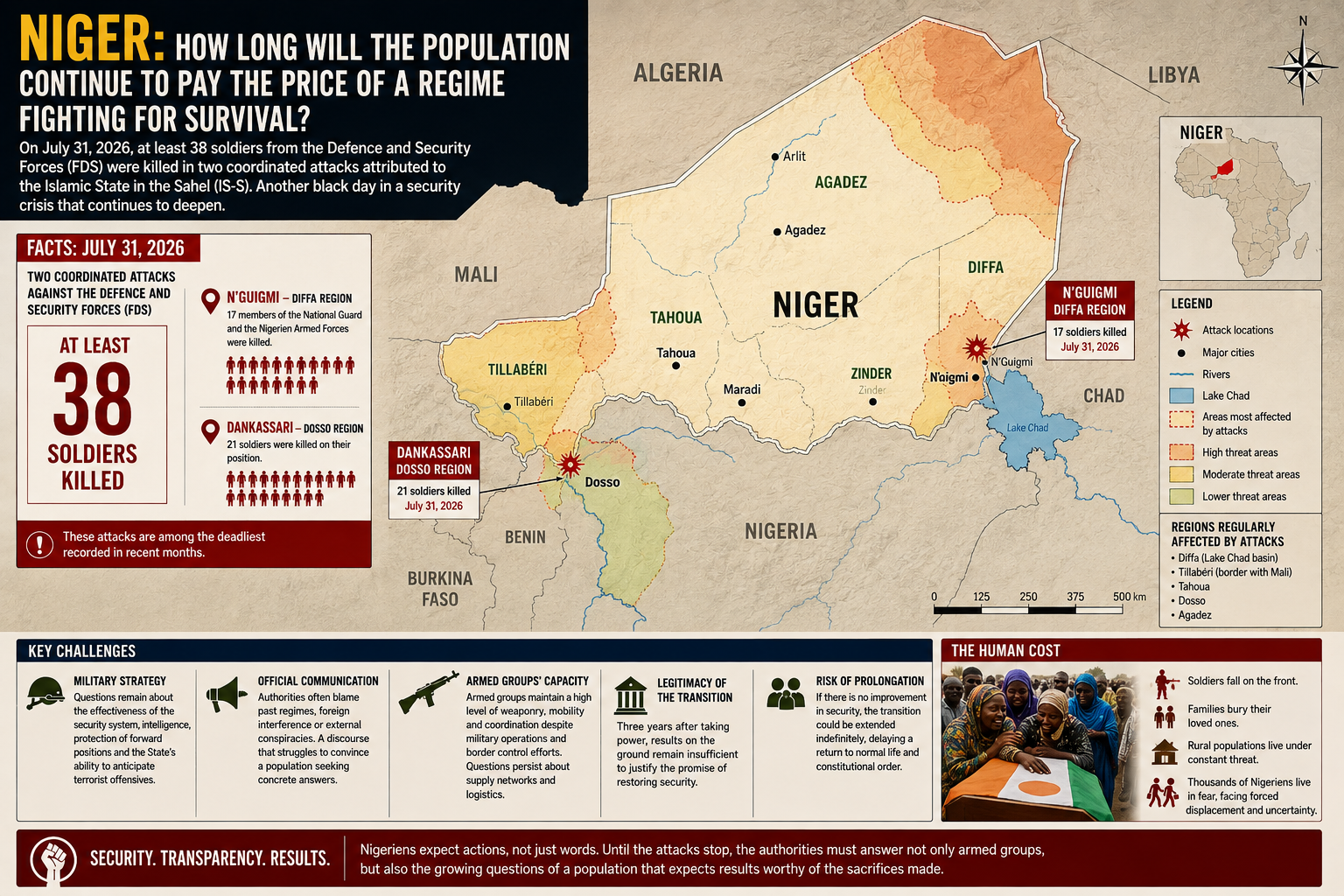
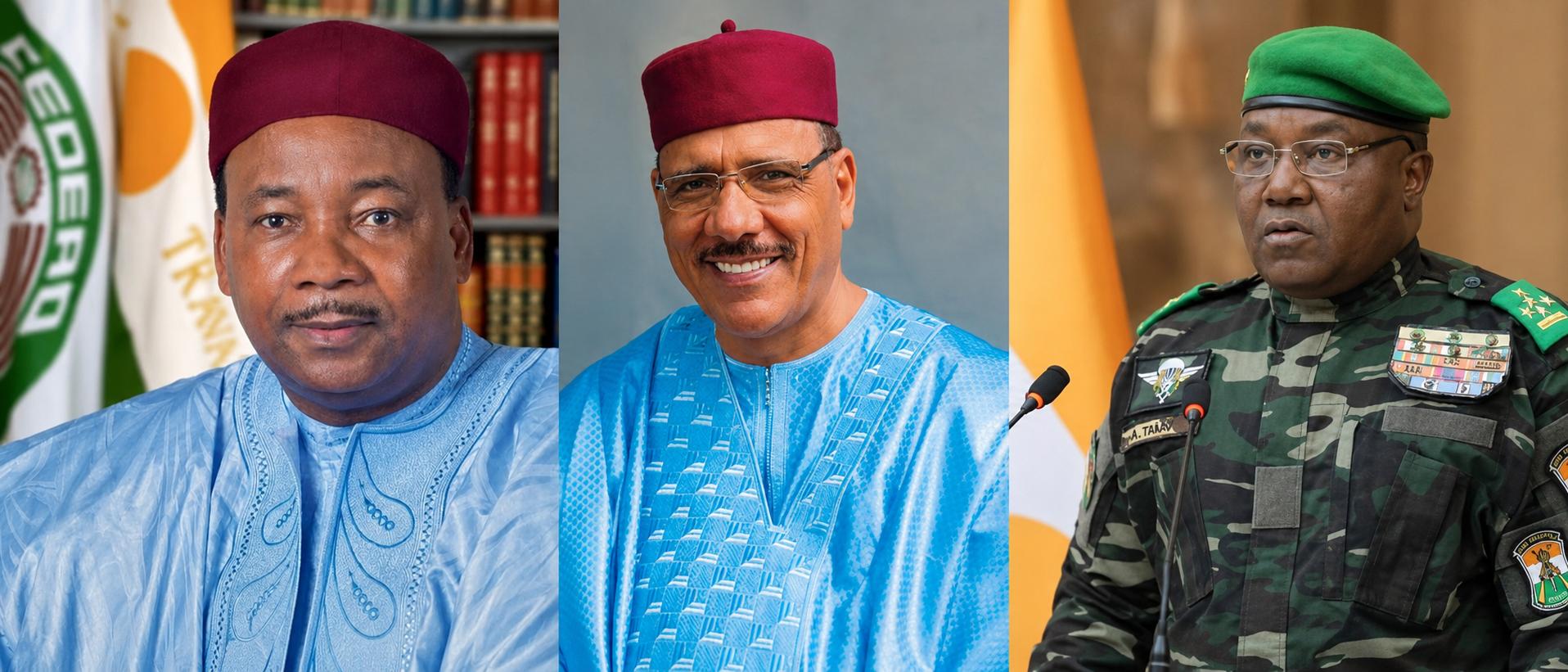
From the corridors of Niamey’s presidential palace to the dusty battlefields of the Sahel, Niger remains trapped in a relentless conflict that shows no signs of abating. Despite sweeping political upheavals and seismic shifts in regional alliances, the specter of terrorism continues to haunt the nation. Three presidents, two democratic transitions, one coup d’état—yet one grim constant persists: the unrelenting bloodshed in the volatile “three borders” region and around Lake Chad.
The legacy of Issoufou and Bazoum: a shield of western support
Under former President Mahamadou Issoufou (2011–2021), Niger positioned itself as the linchpin of Western security strategy in the Sahel. With neighboring Mali descending into chaos, Niamey became the operational heart of French and American military presence—Barkhane for France and a drone base in Agadez for the United States.
His successor, Mohamed Bazoum, sought to refine this approach with a softer political touch:
- A policy of outreach to former militants through dialogue initiatives.
- Heavy investment in training elite Nigerien security forces.
Yet, despite these efforts, the threat never truly subsided. In fact, the presence of foreign troops fueled widespread resentment among both soldiers and civilians, who viewed it as a surrender of sovereignty in exchange for meager results.
Tiani’s gamble: sovereignty at the cost of escalating violence
The tide turned on July 26, 2023, when General Abdourahamane Tiani and the National Council for the Safeguard of the Homeland (CNSP) seized power. Their justification? A deteriorating security landscape. Since then, Niamey has severed ties with former allies in Paris and Washington, forged the Alliance of Sahel States (AES) with Mali and Burkina Faso, and pivoted toward Moscow (via the Africa Corps) and Ankara.
The new regime has embraced a rhetoric of national pride and military self-reliance, vowing to free Niger from the so-called “hidden agendas” of the West. Yet, reality has delivered a different verdict. The withdrawal of Western forces has left a critical void in aerial intelligence and advanced surveillance capabilities.
Attacks have surged in frequency and scale, targeting entire military outposts and inflicting devastating losses. Economic blockades and diplomatic isolation have further strained logistics, draining millions from the national coffers each day.
The roots of failure: why military solutions fall short
Both civilian and military regimes have clung to a fundamentally flawed strategy—one that treats a deeply rooted crisis as a purely military challenge. Two opposing approaches have emerged, each with its own fatal blind spot:
The Issoufou-Bazoum doctrine relied on integration into the Western security framework. Its fatal flaw? An over-reliance on external partners that alienated public opinion and rendered French narratives ineffective across much of Niger’s population.
The Tiani doctrine champions radical geopolitical rupture and martial sovereignty through the AES. But early results are alarming: a sudden loss of high-tech intelligence, suffocating financial isolation, and—paradoxically—a surge in jihadist violence as armed groups exploit regional instability.
The unaddressed crisis beneath the surface
Beneath the military maneuvers and diplomatic pivots lies a stark truth: the roots of Niger’s conflict remain untouched. The absence of state authority in peripheral zones, the lack of economic opportunities for rural youth, and simmering intercommunal tensions—especially between farmers and herders—create fertile ground for jihadist recruitment.
Whether under the banner of international cooperation or the shield of AES sovereignty, the war in Niger cannot be won by force alone. General Tiani now faces a pivotal test: proving that his military-first strategy can safeguard citizens. Without a massive reinstatement of essential services—schools, courts, clinics—in the most insecure regions, the country risks not just losing this war, but surrendering the peace to come.