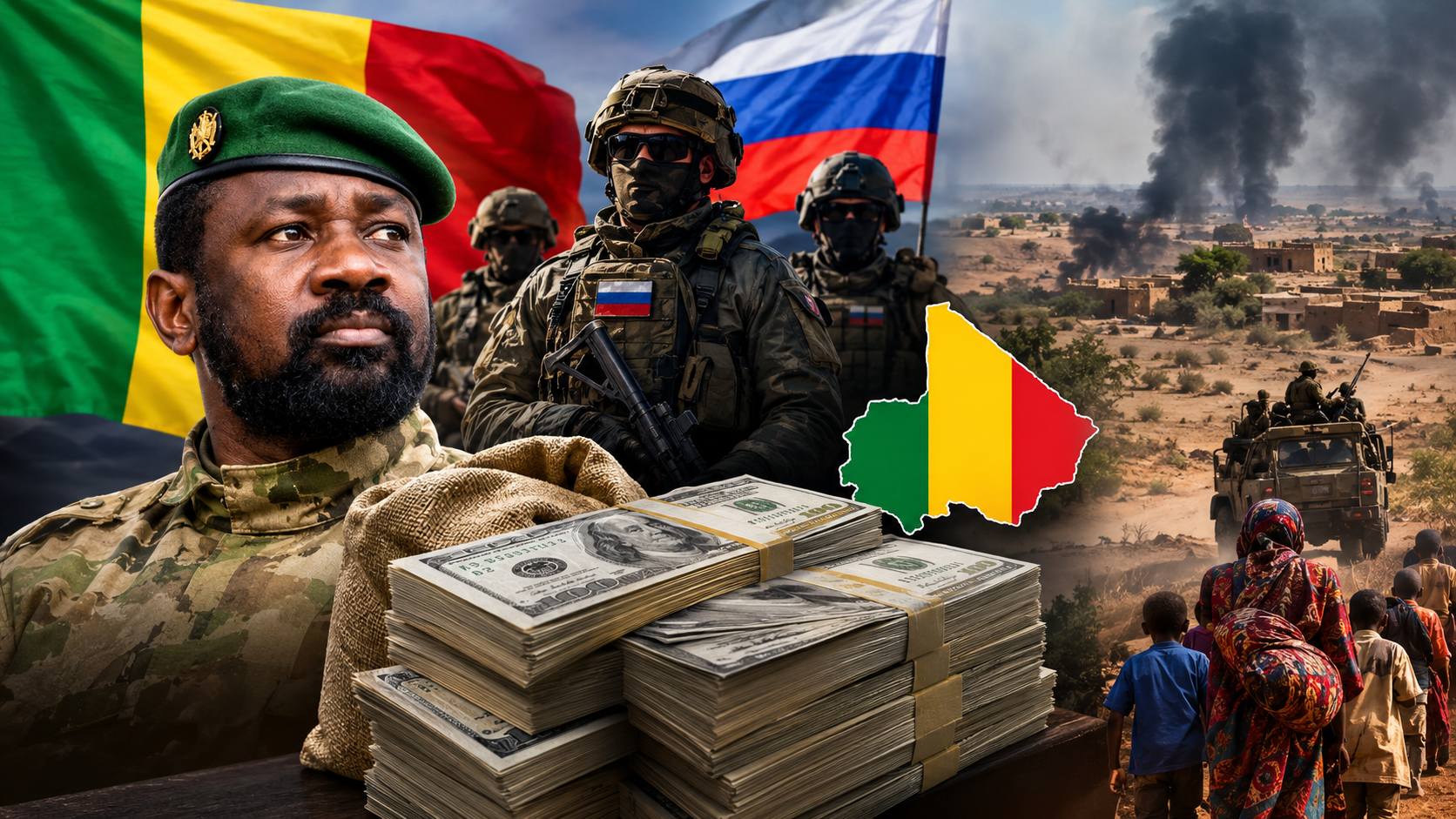
A payment of nearly $50 million, transferred in late 2025 to secure the release of a foreign hostage held in Mali, has become a turning point in the financing of Al-Qaïda-linked groups operating across the Sahel. A confidential United Nations report, finalized on August 10, 2026, reveals how this substantial sum flowed into the hands of militants, fueling their military campaigns and strengthening their grip on power.
How the ransom fueled regional jihadist expansion
The document, prepared by UN experts, does not disclose the identity of the hostage or the entity that paid the ransom. However, multiple regional intelligence sources confirm that the funds originated from the United Arab Emirates. Among those released were a citizen of the Emirates, alongside a Pakistani and an Iranian national, all held by the Jama’at Nusrat al-Islam wal-Muslimin (JNIM), the dominant Al-Qaïda affiliate in the Sahel.
Once received, the bulk of the ransom was distributed among local combat units operating under the JNIM umbrella in Mali, Burkina Faso, and Niger. The report highlights that these funds were instrumental in financing large-scale offensives, including a daring assault on the capital of Mali in April 2026, which resulted in the death of the country’s Defense Minister. Another significant portion of the money was routed through Al-Qaïda in the Islamic Maghreb (AQIM) to the group’s central command in Yemen, reinforcing operational ties between regional and international branches of the terror network.
JNIM’s growing influence and tactics
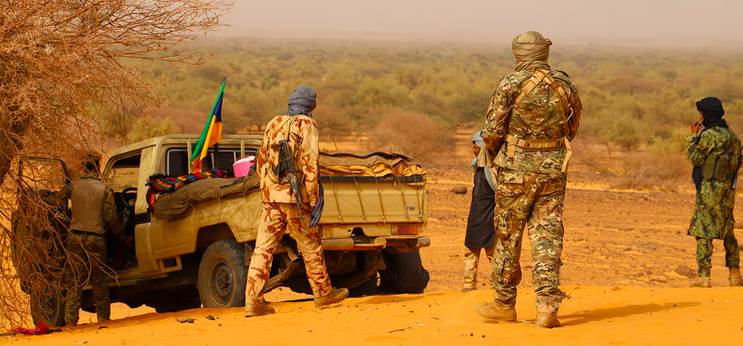
The JNIM now commands an estimated 7,000 to 8,000 fighters across the Sahel, with nearly half based in Mali. In recent months, the group has escalated its campaign of intimidation, offering multi-million euro bounties for information leading to the capture of high-ranking officials, including the President of Mali. Security analysts warn that kidnapping-for-ransom has become a cornerstone of the group’s financial strategy, enabling it to sustain its operations and undermine public trust in state institutions.
Typical ransom demands for foreign hostages range between $4 million and $6 million, according to regional security sources. The UN report underscores that the JNIM views kidnapping not only as a lucrative business but also as a psychological weapon to weaken government authority and instill fear among local populations.
Regional response and geopolitical implications
In response to the findings, the United Arab Emirates has reiterated its commitment to combating terrorism and cutting off financial flows to extremist groups. Officials in Abu Dhabi emphasized that their country continues to strengthen international cooperation and intelligence-sharing to disrupt terror financing networks. The revelations come at a time when West African governments are under increasing pressure to address the escalating security crisis driven by Al-Qaïda and its affiliates.