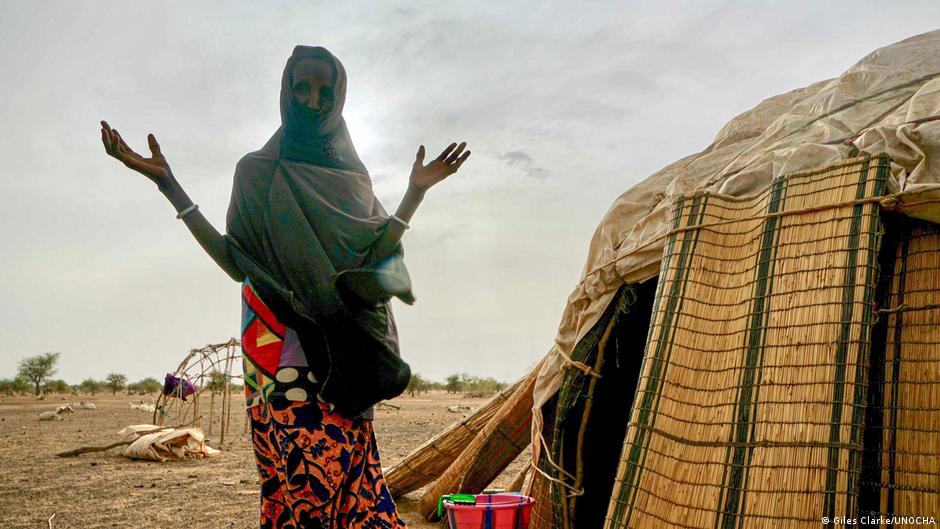
One in five Sahel residents faced hunger in 2025
New global nutrition and food security data for 2025 reveals a deepening crisis across Africa’s Sahel region, with one in five residents enduring hunger. The situation has worsened steadily over the past 15 years, prompting urgent calls for collective action to address the growing food insecurity in northern Mali.
Regional response coordinator Fanta Touré Diop, who leads the West and Central Africa division of Action Against Hunger, highlights the compounding challenges facing the Sahel, where armed conflicts, climate shifts, and funding shortages are converging to create a humanitarian emergency.
Root causes of the Sahel’s food crisis
The deteriorating food security situation in the Sahel stems from multiple interconnected factors. Fanta Touré Diop identifies ongoing security threats as a primary driver, particularly in Mali, Burkina Faso, and Niger, where insurgent groups and instability have displaced hundreds of thousands. These conflicts restrict access to arable land and disrupt supply chains, pushing communities further into vulnerability.
Climate change compounds the crisis by intensifying droughts, erratic rainfall, and land degradation—conditions that directly undermine agricultural productivity and food availability. The region’s worsening climate patterns have reduced crop yields and increased desertification, leaving millions at risk of malnutrition.
A third critical factor is the drop in international funding for humanitarian and development programs. Reduced financial support has left aid organizations struggling to scale up interventions, leaving critical gaps in emergency food distribution, nutrition support, and resilience-building initiatives.
Northern Mali: epicenter of hunger and displacement
Northern Mali remains the most severely affected area, where years of conflict have forced large-scale internal displacement. Tens of thousands have fled the violence, relocating to safer zones in southern cities like Bamako and Sikasso. This mass migration has strained local resources and overwhelmed social services in host communities.
Touché Diop emphasizes the urgent need for a coordinated response involving Malian authorities, international agencies, and civil society. “The situation demands unity,” she states. “Government leadership, combined with targeted support from development partners, is essential to protect vulnerable populations and restore food systems in Mali.”
Escalating malnutrition rates
Across the Sahel, 57 million people are currently grappling with food insecurity, while 24.3 million in the Sahelian belt require urgent assistance and protection. The funding gap remains stark: only 21% of the required $3.7 billion has been mobilized to date. This shortfall endangers the lives of 11.3 million children and women, who are especially vulnerable to malnutrition.
Pathways to resilience and policy priorities
Touché Diop underscores the importance of strong political leadership in reversing the crisis. “Governments must prioritize food security in national agendas and invest in data-driven planning,” she explains. “Accurate, up-to-date information is crucial to designing effective interventions and targeting resources where they are needed most.”
She also calls for greater investment in climate-resilient agriculture, cross-border cooperation to stabilize conflict zones, and sustainable funding mechanisms to ensure long-term crisis prevention. “The Sahel’s challenges are not insurmountable,” she says. “With bold, coordinated action, we can build resilience and restore hope to millions.”




More Stories
Niger’s August crisis: how Tiani’s reliance on Russia exposed deeper fractures in the military
Burkina Faso’s military push raises urgent questions amid mass displacement crisis
Behind the three-day delay: what really delayed Senegal’s 2026 revised budget bill