Legal battle erupts over Ousmane Sonko’s parliamentary seat in Senegal
In a bold institutional move, a coalition of opposition lawmakers has escalated a legal dispute targeting the reinstatement of Ousmane Sonko as a member of parliament, setting the stage for a potential constitutional showdown. The group formally presented their case to Senegal’s Constitutional Council yesterday, arguing that the May 24 decision by the National Assembly Bureau to restore Sonko’s mandate violated constitutional provisions.
The opposition’s petition centers on Article 54 of the Constitution, which they claim Sonko breached by retaining governmental duties after his election as a legislator in 2024. According to their interpretation, his simultaneous holding of executive and parliamentary roles constitutes a clear breach of separation of powers, rendering his reinstatement unlawful. The council is now tasked with determining whether the parliamentary bureau’s decision overstepped constitutional boundaries.
Procedural roadblocks and transparency concerns
Beyond the legal merits, the opposition has accused parliamentary authorities of obstructing their right to access critical documents. The group alleges that despite formal requests, including court-ordered summons, they were denied access to the reinstatement decree and the May 26 plenary session minutes—records they argue are public by nature. This alleged obstruction, they contend, undermines democratic transparency and parliamentary accountability.
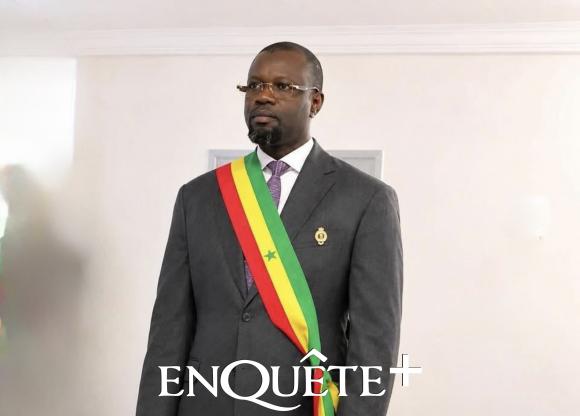
The timing of the dispute coincides with a period of heightened political tension. Sonko, who was abruptly dismissed as Prime Minister on May 22, staged a dramatic political comeback by securing 132 out of 133 votes to become President of the National Assembly on May 26, making him the second-highest-ranking official in the state. The election, however, was boycotted by opposition factions, who condemned the process as a constitutional overreach.
Legal ambiguities fuel debate
The controversy has exposed sharp divisions in legal interpretation. Some constitutional scholars argue that Article 54 does not explicitly address the automatic reinstatement of lawmakers who resign from government, leaving room for debate over the legality of Sonko’s return. Others point to Article 123 of the National Assembly’s internal rules, which outlines procedures for replacing legislators appointed to executive roles, as a possible basis for his reinstatement.
A critical hurdle remains: the admissibility of the opposition’s petition. Legal experts note that parliamentarians may lack the standing to directly petition the Constitutional Council on this matter, a power typically reserved for the President of the Republic. While the presidency has denied any involvement in the case, the council’s decision on admissibility will determine whether the dispute proceeds—or stalls indefinitely.
The unfolding legal drama underscores the deepening rift between Senegal’s political factions, with both sides invoking constitutional principles in a high-stakes battle over institutional legitimacy.