The Togolese opposition has achieved a historic milestone by securing official authorization for a public gathering in Lomé, a development that has reignited debates about the country’s political climate. This unprecedented event, held after years of repressed demonstrations and bans on peaceful protests, raises a critical question: Is this a sign of genuine political liberalization, or merely a temporary easing of tensions?
the cncct’s breakthrough assembly
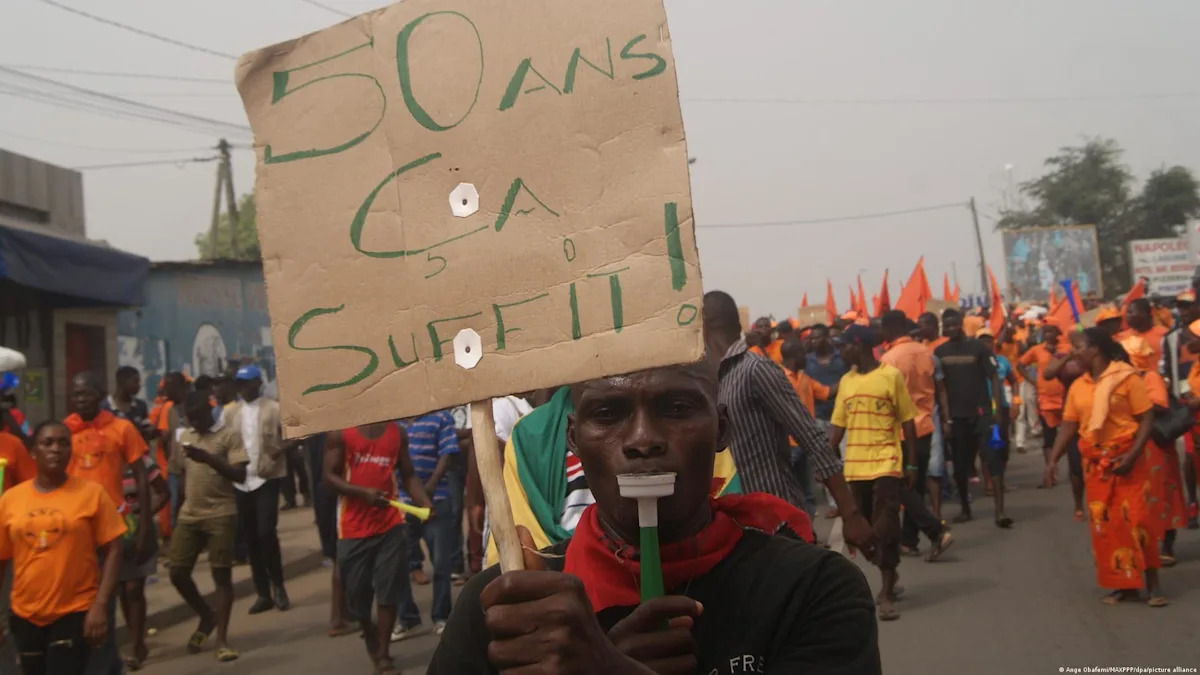
On a recent Saturday, hundreds of participants joined the first public meeting of the Cadre National de Concertation pour le Changement au Togo (CNCC), a newly formed coalition uniting four opposition parties and civil society organizations. The event marked a significant departure from past restrictions, where similar gatherings were routinely blocked under questionable pretexts.
Davdi Dosseh, a spokesperson for the Front Citoyen Togo Debout, one of the coalition’s leading groups, emphasized the urgency of systemic change: “We demand governance reform because Togo is plagued by endemic corruption, crumbling public services, and stagnation. The country is not progressing, and we will not relent until these issues are addressed.”
Dosseh also highlighted the persistent challenges faced by the opposition: “For years, authorities have systematically denied permission for peaceful assemblies using fabricated justifications. Yet we remain committed to our cause.”
a cautious interpretation of progress
While the government’s authorization of the CNCC’s rally is a step forward, analysts urge caution. Paul Amégankpo, a political analyst and director of the Institut Togolais Tamberma pour la Gouvernance, views the move as a potential olive branch rather than a definitive shift.
Amégankpo noted, “The government’s approval of this peaceful opposition march on May 9, 2026, in Lomé is a positive sign. However, given the broader political landscape, this gesture should be met with measured optimism—perhaps as a trial balloon to test public response to relaxed restrictions on peaceful protests, associations, and political freedoms.”
He added, “True political openness will require sustained actions beyond a single event. We must observe further gestures from the government to confirm a lasting trend toward greater democratic freedoms.”
The coming weeks will be pivotal in determining whether this gathering signals the dawn of a new democratic chapter for Togo or merely a fleeting moment of respite in an otherwise tense political environment.