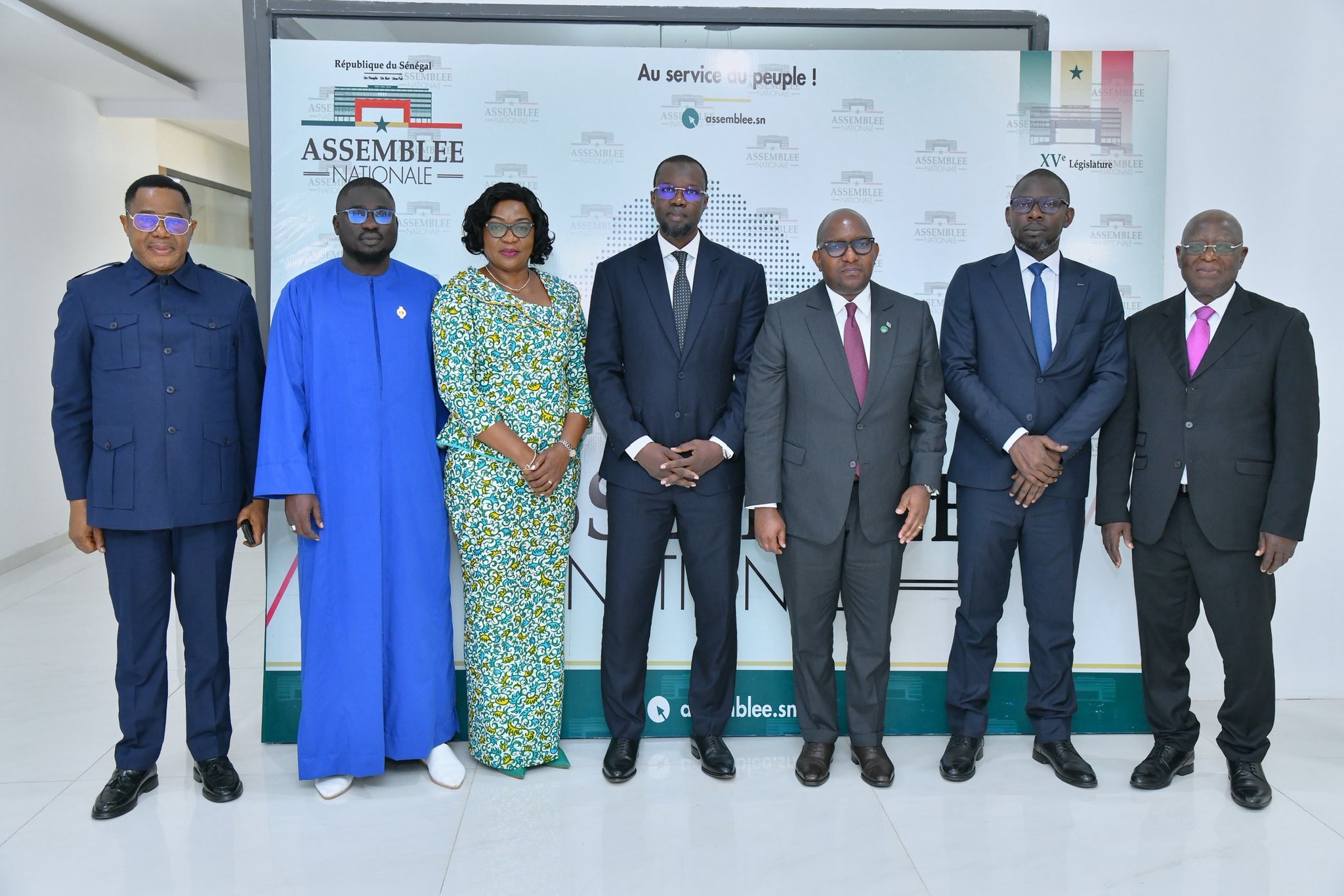
The National Assembly of Sénégal is once again at the center of a heated debate. A seemingly innocuous phrase—”send your Orange Money number”—originating from an internal exchange between lawmakers or administrative staff, has sparked widespread controversy across social media and local Dakaran press. While the request appears harmless, it has raised serious questions about the flow of funds through the electronic wallet of telecom giant Orange on behalf of elected officials.
An innocent message that fuels distrust over parliamentary allowances
Sénégal has embraced mobile money transfers as a cornerstone of daily financial transactions, from bill payments to personal remittances. Orange Money, a subsidiary of Sonatel, has expanded beyond personal use into institutional channels, a shift that now raises eyebrows when linked to national representatives. This development comes at a time when the 2024 electoral majority has positioned itself as a champion of budgetary transparency—a principle that now faces scrutiny.
The incident arrives amid heightened public scrutiny over institutional spending habits. The origin, handling, and traceability of allowance payments to deputies have remained a recurring issue since the political transition. The mere mention of a mobile money wallet number for a collective transfer has reignited suspicions, especially without official clarification on the transaction’s purpose.
Mobile money and public funds: a regulatory blind spot
Beyond the political noise, the controversy exposes a critical gap in regulation: the use of mobile money channels for public or semi-public funds. Platforms operated by Sonatel, Wave, and Free Money have revolutionized financial inclusion in Sénégal, with millions of active accounts and annual transaction volumes reaching trillions of West African CFA francs. Yet this rapid growth has outpaced the development of rules governing institutional payments.
The Central Bank of West African States (BCEAO) enforces strict customer identification and transaction limits on mobile money providers. However, when public officials or elected representatives use personal mobile wallets—rather than institutional bank accounts—the issue of accountability becomes murky. Mobile money accounts are tied to individuals, complicating audits by institutions like the Court of Auditors or the State Inspectorate.
Despite these challenges, mobile money offers unmatched speed and cost efficiency for government disbursements. The tension between operational efficiency and transparency demands is not unique to Sénégal; it echoes across the West African Economic and Monetary Union (UEMOA), where government-to-person mobile payments have surged since the pandemic.
Parliament under political pressure
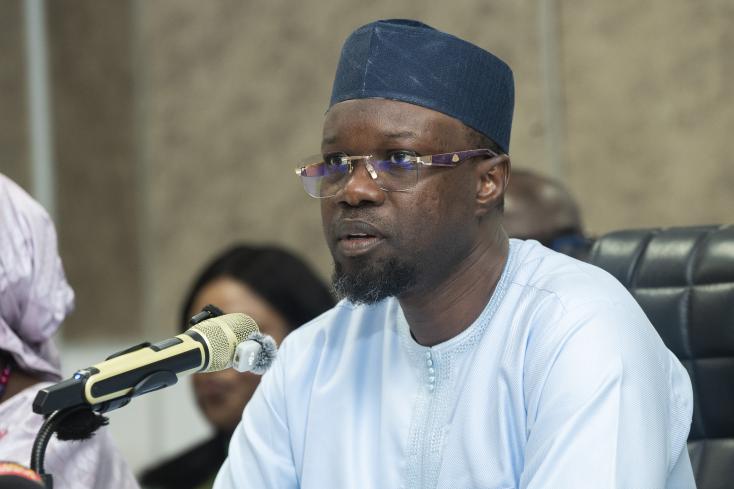
Politically, this incident arrives at a precarious moment for the National Assembly. The current legislature, led by Prime Minister Ousmane Sonko’s Pastef coalition, was elected on a platform of breaking from past practices. Any hint of privilege or opacity in the Assembly’s internal operations risks backlash in a society increasingly vigilant about leadership accountability.
The deputies involved have not publicly disclosed details about the transaction. Local media has floated various hypotheses—session allowances, travel expenses—but none have been confirmed by Assembly administrative services. As often happens, institutional silence fuels speculation.
This seemingly minor episode underscores a broader reality: as mobile money penetrates public payment systems across West Africa, the line between technical convenience and democratic transparency demands has become a politically charged battleground. The Assembly’s ability to provide clear explanations will determine whether this controversy fades or escalates.