
Political crisis deepens as opposition vows to block constitutional referendum in DRC
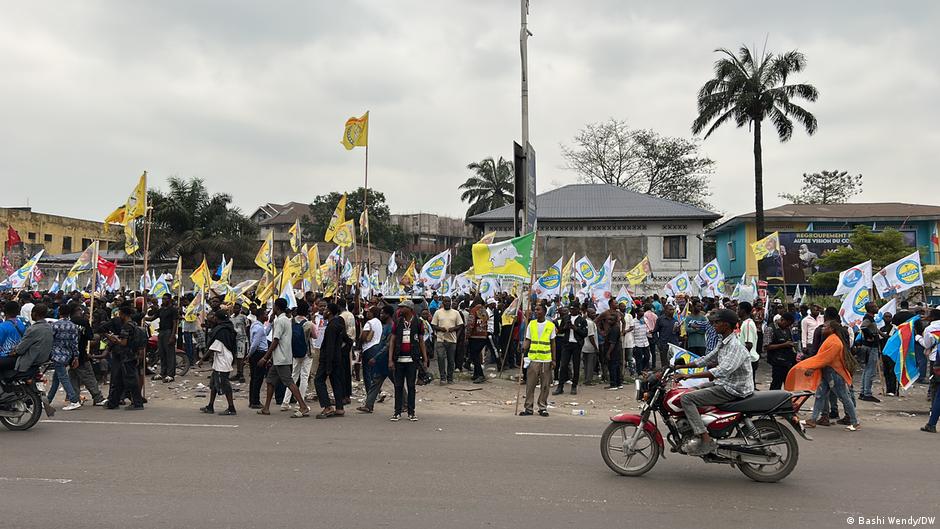
The Constitutional Court’s endorsement of the referendum law has intensified political divisions in the Democratic Republic of the Congo. While the government views this as a legal milestone, the opposition condemns it as a dangerous precedent that could enable constitutional changes, sparking fresh unrest.
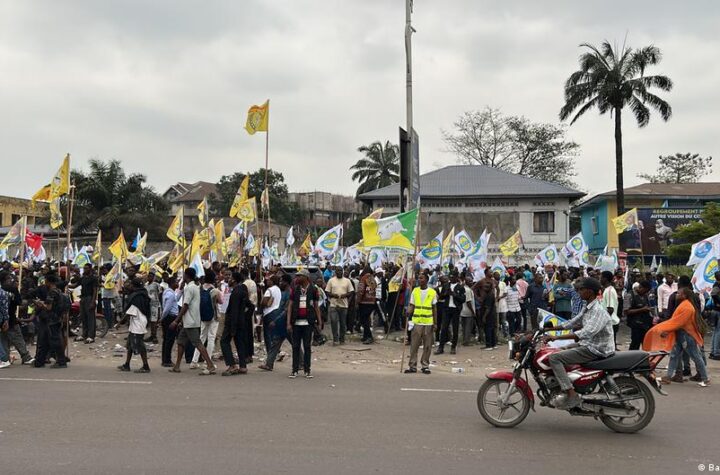
The Article 64 coalition has vowed to escalate its resistance, arguing that the court’s decision paves the way for a third term bid. Prince Epenge, a coalition spokesperson, has urged citizens to remain vigilant, declaring that “we will not stand down. We will mobilize every resource to ensure this law never takes effect in our country.”
Epenge emphasized the public’s anger, urging people to stay “stand firm, united, and resolute in rejecting a third term and any attempts to fragment the nation.”
Kinshasa residents voice growing concerns
As coalition leaders convened to strategize, residents in Kinshasa expressed fears that renewed protests could spiral into violence. One resident questioned whether opposition leaders would maintain “a peaceful approach,” while another warned against “losing lives in the process.”
Another local resident expressed concern that the political climate in the DRC could “deteriorate further following this decision.”
A third resident went further, accusing the government of “instigating unrest by deploying forces to disrupt opposition marches.”
“The real victims will be ordinary citizens,” another resident stressed, “when protests inevitably unfold.”
Legal move threatens political dialogue
Timo Roujean, an analyst at the Konrad Adenauer Foundation, warned that fast-tracking the law could derail ongoing political dialogue efforts. “If the president signs the law before August 15, any chance of dialogue will vanish,” he cautioned.
Roujean highlighted the rising rhetoric around a “constitutional coup,” suggesting that the court’s decision could embolden factions advocating for armed resistance. “This ruling risks fueling the narrative that the only way to oppose the government is through force.”
With the government now equipped with a legal framework and the opposition firmly opposed to constitutional reform, the coming weeks will be critical in determining whether the crisis escalates or de-escalates in the Democratic Republic of the Congo.
More Stories
Congo political crisis escalates as opposition vows protests
Crisis in dr Congo as opposition vows protests over constitutional reforms
RDC : vers une reprise des manifestations de l’opposition ?