
drc constitution row stirs fears of renewed opposition protests
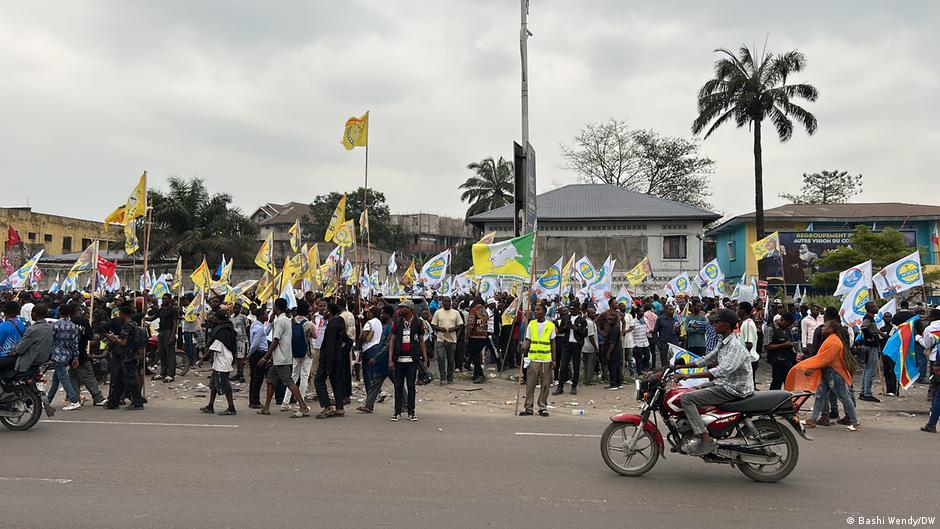
While the government views the Constitutional Court’s ruling as a procedural step, the opposition condemns it as a dangerous precedent and vows to intensify pressure. Analysts warn this could escalate political tensions across the country.
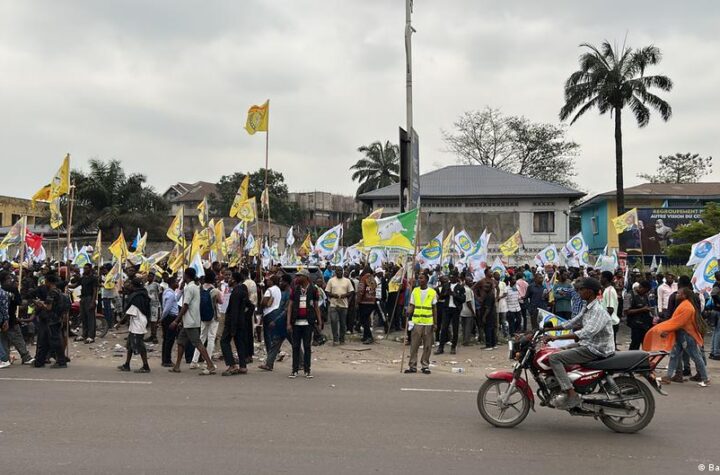
The opposition coalition Article 64 has categorically rejected the court’s decision, arguing it paves the way for constitutional amendments they strongly oppose. Prince Epenge, one of its spokespersons, has urged citizens to remain vigilant.
“We will not retreat. We will pool our resources and energy to ensure this law never takes effect in our country,” he declared.
“The people are outraged. They must stand firm, united, and resolute in rejecting the third term and any attempt to fragment the nation.”
Kinshasa residents voice growing unease
As coalition leaders met in the capital this Wednesday evening to outline their next moves, residents expressed deep concerns over the potential for renewed unrest. Many fear protests could disrupt daily life and spiral into violence.
“Will their methods remain peaceful?” questioned one resident, emphasizing the need to “avoid any loss of life.”
Another resident echoed the sentiment, expressing worry that “this decision could plunge the political climate in the DRC into further turmoil.”
“The real troublemaker right now is the ruling power. It’s been known to deploy individuals to destabilize opposition marches,” claimed another resident.
“The real victims will be ordinary citizens when protests erupt. They’re the ones who bear the brunt of the chaos,” added a third.
Political dialogue at risk
Timo Roujean, an analyst with the Konrad Adenauer Foundation, cautioned that swift presidential approval of the law could harden the political divide. He suggested that if President Félix Tshisekedi signs the legislation before August 15, it may derail ongoing dialogue efforts and embolden factions advocating confrontation.
“If he ratifies it before mid-August, the prospects for dialogue could vanish entirely,” Roujean warned, noting that “in an increasingly tense climate, where talk of a constitutional coup is spreading, this court ruling could fuel the narrative that force is the only way to oppose the government.”
The Constitutional Court’s decision has done little to resolve the standoff. With the presidential camp now armed with a legal framework and the opposition determined to block any constitutional reform, the coming weeks will be pivotal in shaping the DRC’s political future.
More Stories
Congo political crisis escalates as opposition vows protests
Political tensions rise as opposition vows to challenge constitutional referendum law in DRC
Crisis in dr Congo as opposition vows protests over constitutional reforms