
Crisis in DR Congo as Opposition Vows Protests Over Constitutional Reforms
July 29, 2026The Constitutional Court’s green light for the referendum law has breathed new life into the contentious debate surrounding potential constitutional amendments in the Democratic Republic of the Congo. While the government views this as a necessary legal step, opposition leaders are crying foul, warning of escalating tensions.
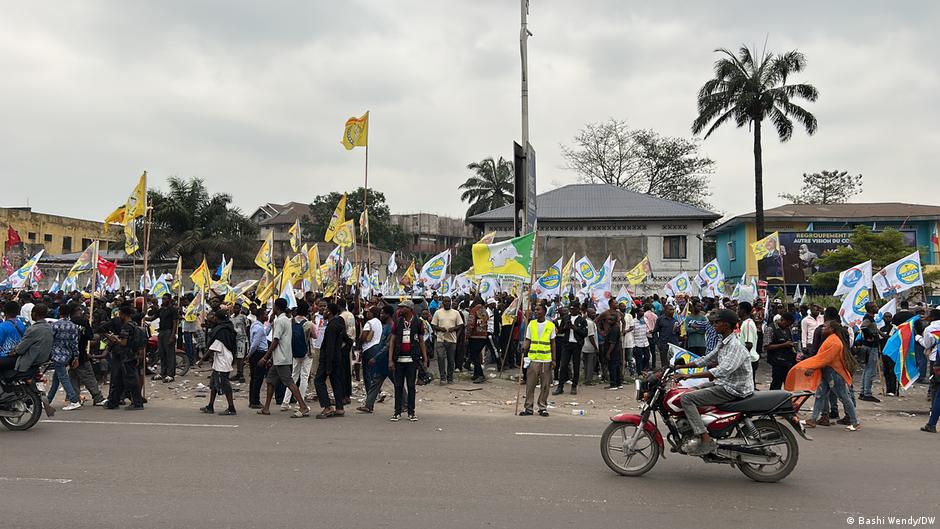
The Article 64 coalition, a prominent opposition group, has vowed to continue its mobilization efforts after the court’s decision. Prince Epenge, a spokesperson for the coalition, issued a stern warning to the population: “We will not back down. We will pool our strength and energy to ensure this law does not take effect in our country.”
Epenge emphasized the public’s anger, urging citizens to “stand firm, remain mobilized, and resolutely reject a third term and any attempts at balkanization.”
Kinshasa residents voice concerns over escalating unrest
As coalition leaders gathered in Kinshasa on Wednesday evening to strategize, residents expressed growing anxiety about the possibility of renewed political unrest. Many fear that upcoming demonstrations could disrupt daily life and spiral into violence.
“Can their methods of protest remain peaceful?” questioned one resident, stressing the need to “avoid any loss of life.”
Another resident echoed these concerns, stating, “I worry that the political climate in the DRC could deteriorate further following this decision.”
“Those currently sowing chaos are the ones in power,” argued another resident. “They frequently deploy individuals to destabilize opposition marches.”
One citizen highlighted the potential human cost, noting, “It is the population that will suffer the most when protests erupt.”
Political dialogue at risk amid rising tensions
Timo Roujean, an analyst at the Konrad Adenauer Foundation, warned that the swift enactment of the law could harden the political climate. He cautioned that if President Félix Tshisekedi signs the bill before August 15, ongoing efforts toward political dialogue could collapse, empowering factions advocating confrontation.
“If he enacts the law before August 15, the dialogue initiative will be nullified,” Roujean asserted. He added that in an increasingly tense discourse—where terms like “constitutional coup” are already circulating—the Constitutional Court’s decision could embolden those who believe armed resistance is the only way to oppose the government.
The court’s ruling has not resolved the impasse. With the presidential camp now armed with a legal framework and an opposition determined to block any constitutional reforms, the coming weeks are poised to be decisive for the political crisis gripping the DRC.


More Stories
Sonko’s sharp critique of Senegal’s imf deal stirs debate
Cameroun : prendre des mesures incitatives pour booster les inscriptions sur les listes électorales
DRC’s new inclusive national dialogue: what outcomes can be expected?