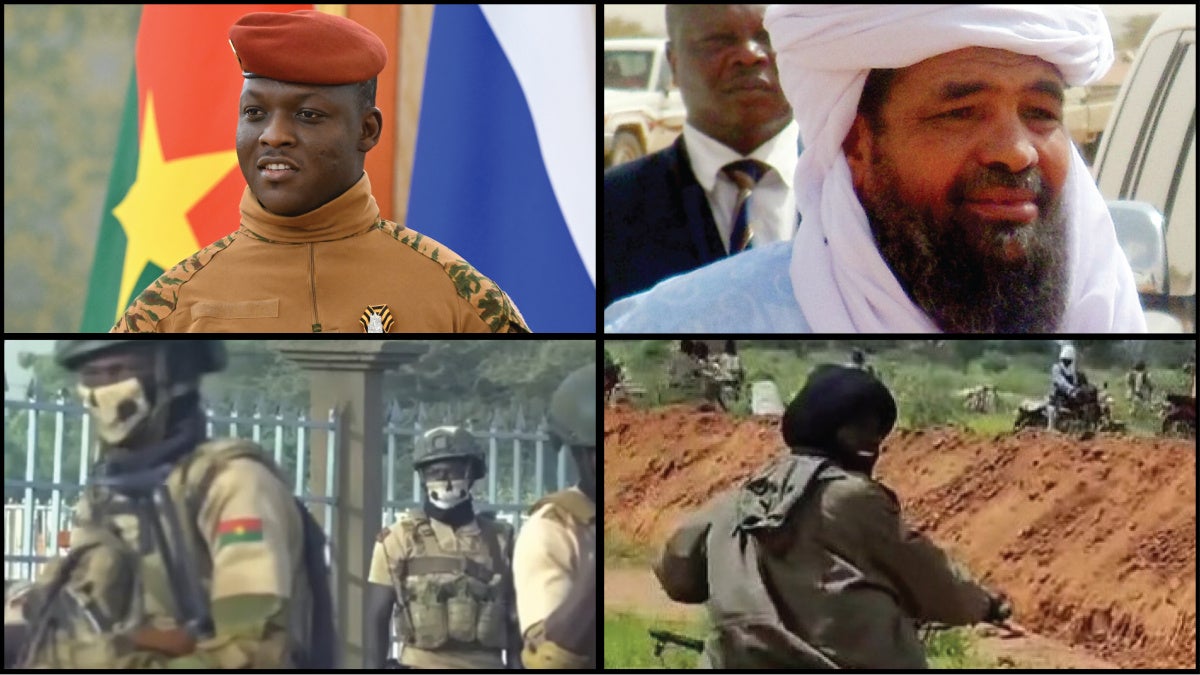
The observance of World Press Freedom Day on May 3rd casts a stark light on a troubling reality across West Africa, where the act of reporting has become perilous and, in many cases, life-threatening. The situation has deteriorated markedly since the ascension of military-led governments in Mali, Niger, and Burkina Faso—nations collectively known as the Alliance of Sahel States (AES).
Tightening grip on the media landscape
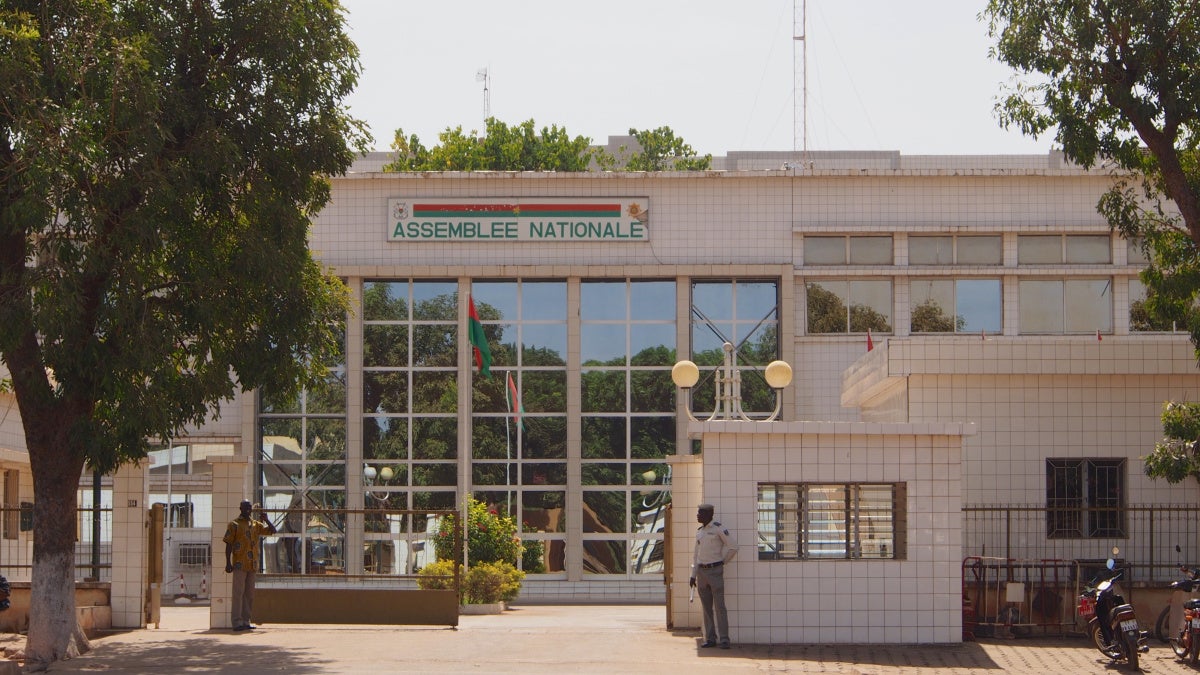
The press in these countries now operates under intense scrutiny, with independent journalism facing unprecedented repression. Cases abound: Mali’s Joliba TV, Burkina Faso’s L’Observateur Paalga, and the recent abduction of journalist Serge Oulon in Ouagadougou are just a few examples of the mounting pressures. Authorities have adopted increasingly aggressive tactics to suppress dissenting voices:
- Sudden shutdowns of domestic and foreign media outlets.
- Arbitrary detentions and enforced disappearances.
- Forced exile for journalists unwilling to propagate state-sanctioned narratives.
Fear as a mechanism of control
The prevailing atmosphere leaves journalists with little recourse: comply or remain silent. Ousmane Diallo, a researcher with Amnesty International, highlights the erosion of civic space in the region, stating,
« The current climate of intimidation, exacerbated by forced disappearances, has driven many reporters to self-censorship. »
This pervasive fear stifles the flow of critical information, compelling professionals to avoid sensitive topics altogether.
Silencing the public through information control
The crackdown extends beyond journalists, targeting the broader populace. By enforcing a single, uncritical narrative glorifying military rule, authorities aim to extinguish independent thought among citizens. A local reporter, speaking anonymously, draws a chilling comparison to the Soviet era, warning of a Sahel transformed into an « information gulag »—a metaphor for a truth-locked society.
The growing diplomatic alignment of these nations with Russia under Vladimir Putin’s regime has not gone unnoticed by analysts. Many suggest this partnership coincides with the adoption of authoritarian-style information control methods. The pressing question remains: can free expression survive in a region where public discourse is increasingly constrained?