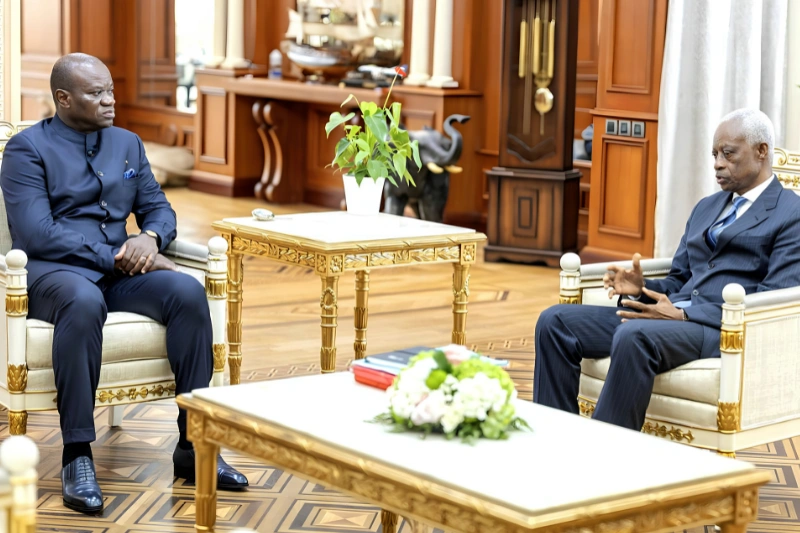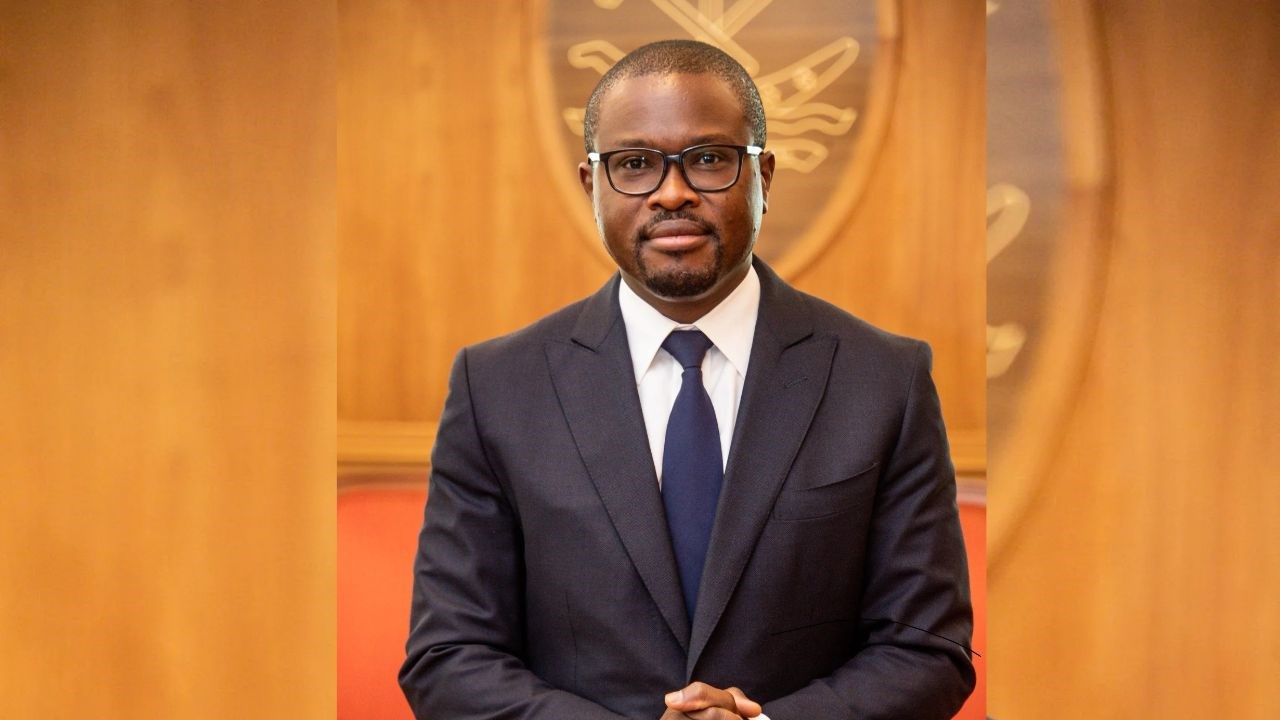
The newly elected President of Benin, Romuald Wadagni, successor to Patrice Talon, convened his first Council of Ministers just days after his inauguration, setting the official tone for his 2026-2033 seven-year term. This inaugural meeting served as a platform to outline the guiding principles, values, and ambitions that will shape his administration’s priorities in the coming years.

Two overarching priorities emerged as central pillars of this new mandate. The first and most transformative is the eradication of extreme poverty and the narrowing of developmental gaps between Benin’s municipalities. Wadagni emphasized the need for a more ambitious regional development strategy, ensuring that remote and underserved areas catch up with urban centers in terms of infrastructure, services, and economic opportunities. The second priority is national security, a critical concern given the persistent instability in neighboring countries. The President directed his cabinet to prioritize measures that strengthen the country’s defenses and safeguard its territorial integrity.
The governance structure introduced by the administration reflects a commitment to discipline and efficiency. Moving forward, the Council of Ministers will convene monthly, on the first Wednesday of each month, while the Interministerial Committee will meet biweekly, on the first and third Mondays. Thematic Cabinet sessions will fill the gaps between these meetings, enabling closer monitoring of sector-specific policies. This streamlined approach underscores the administration’s dedication to structured, results-driven governance.
Concluding the session, Wadagni urged his government to ‘roll up their sleeves and get to work,’ emphasizing that the quality of execution will directly determine the well-being of Benin’s citizens. This first Council of Ministers set a clear agenda—one rooted in equity, territorial cohesion, and tangible outcomes— laying the groundwork for a challenging yet transformative seven-year journey ahead.