SADC urges compliance with peace accords amid rising insecurity in eastern DRC
Kinshasa, 23 June 2026
Malawi’s Vice-President leads SADC’s emergency call for respect of Doha and Washington agreements to restore stability in eastern Democratic Republic of Congo.
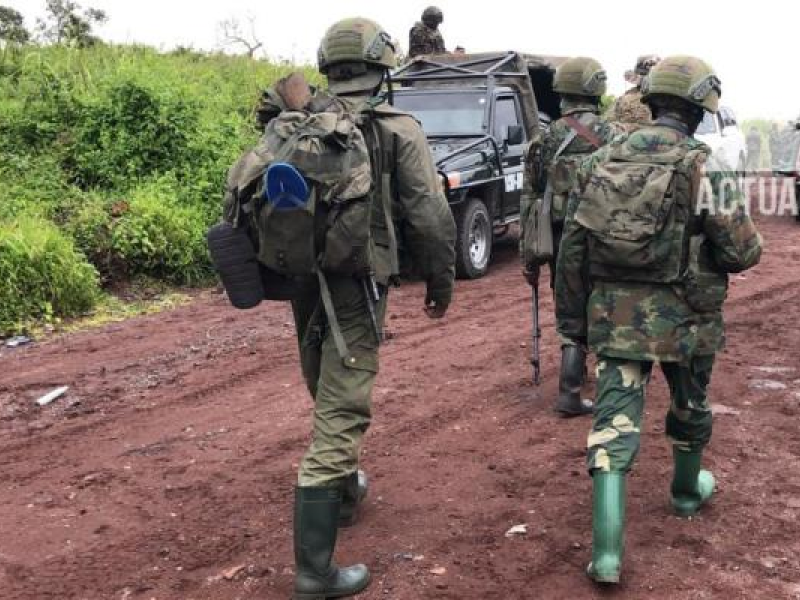
M23 rebels in Kibumba, eastern Democratic Republic of Congo
Regional leaders highlight urgent need for collective action
The Community of Southern African States (SADC), under the leadership of Malawi’s Vice-President Enoch Kamzingeni Chihana—representing President Arthur Peter Mutharika in his capacity as chair of the SADC Organ on Politics, Defence and Security Cooperation—convened an extraordinary virtual summit on Monday, 22 June 2026. The meeting focused on escalating security and political challenges in the region, with particular attention to Madagascar and the Democratic Republic of Congo (DRC).
The regional bloc reaffirmed its commitment to safeguarding peace, consolidating democracy, and promoting stability and regional integration. SADC leaders emphasized the importance of strengthening African-led crisis prevention and resolution mechanisms to uphold collective security across member states.
Deep concern over eastern DRC’s deteriorating security
The SADC summit expressed grave concern over the worsening security situation in eastern DRC, warning that instability in the region threatens not only national peace but also regional cooperation efforts. Participants called on all parties involved in the conflict to adhere strictly to the terms of the Doha and Washington agreements, especially those concerning the ceasefire.
According to the summit’s official communiqué, “The situation in the Democratic Republic of Congo is of deep concern, particularly with the resurgence of Ebola outbreaks in the east and the persistent deterioration of security. Instability poses a direct threat to both national peace and regional integration.”
SADC leaders reiterated their call for all stakeholders to honour the ceasefire commitments outlined in the Doha and Washington peace processes. They stressed that African-led peace efforts, supported by international initiatives, remain essential to achieving lasting stability, resilience, and enduring peace in the region.
Key recommendations to be presented at upcoming summit
The emergency meeting produced a series of strategic recommendations that will be submitted for review at the 46th Ordinary Summit of SADC Heads of State and Government. This high-level gathering, scheduled for 16–17 August 2026 in Durban, South Africa, will mark the beginning of South Africa’s one-year presidency of the regional bloc.
South Africa currently holds the interim presidency of the SADC following the removal of Madagascar’s former president, Andry Rajoelina, in October 2025 amid a major political crisis.
The SADC summit comes at a critical juncture, as diplomatic efforts—including the Washington and Doha processes—aim to establish a durable ceasefire and revive dialogue among all parties in the long-standing conflict in eastern DRC. Despite these initiatives, concrete progress on the ground remains elusive, with hostilities continuing between rebel factions and government forces.
Calls for adherence to peace commitments have grown louder at the national, regional, and international levels. Yet, these appeals have so far yielded little tangible change. The gap between diplomatic progress on paper and ground realities persists, as parties continue to interpret agreement terms differently, further complicating implementation.
Looking ahead: A path to sustainable peace?
As the SADC prepares to present its recommendations in August, the international community watches closely. The situation in eastern DRC remains a regional security priority, with the potential to impact stability across Southern and Central Africa.
For now, the path to peace hinges on whether all parties—both domestic and external—can move beyond rhetoric and translate commitments into action. Only then can the promise of lasting stability, resilience, and development for the people of eastern DRC and the broader region begin to materialize.