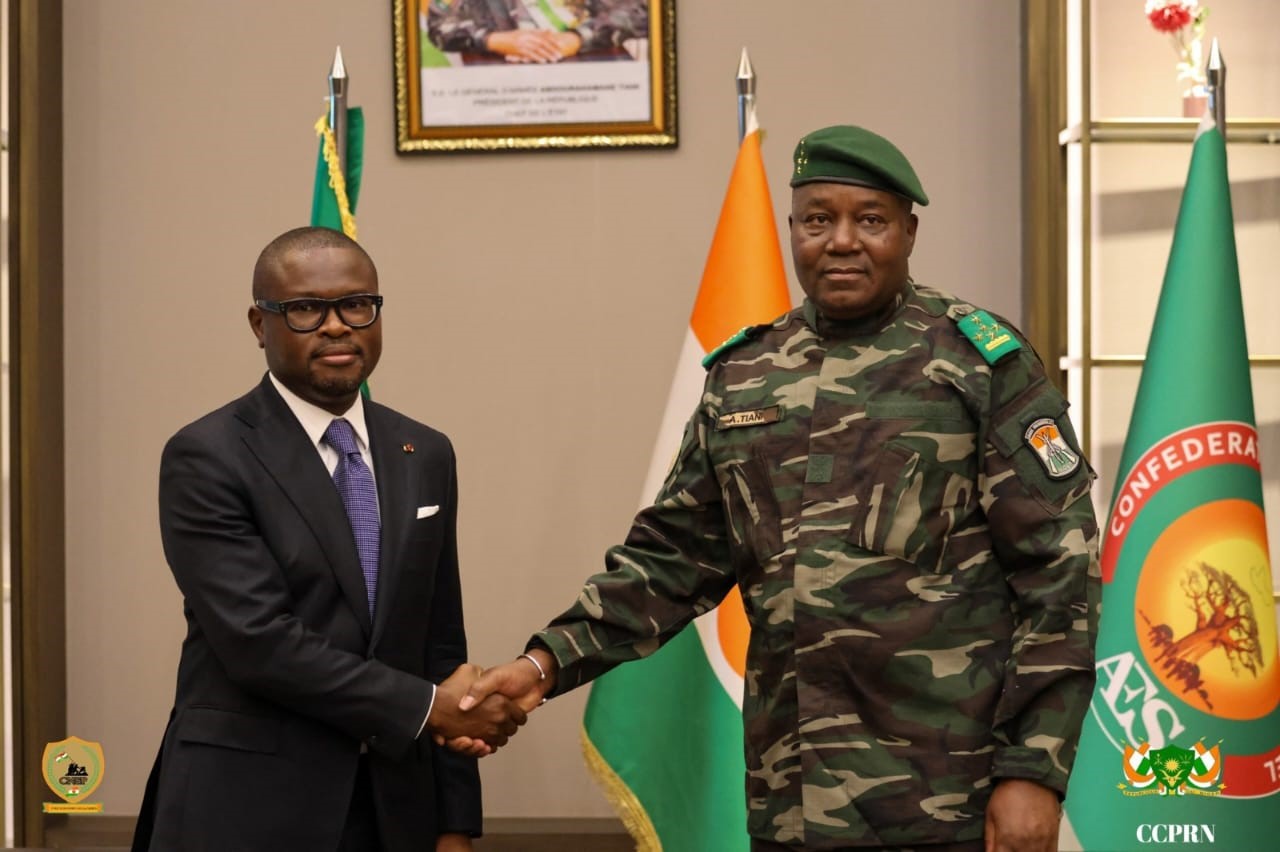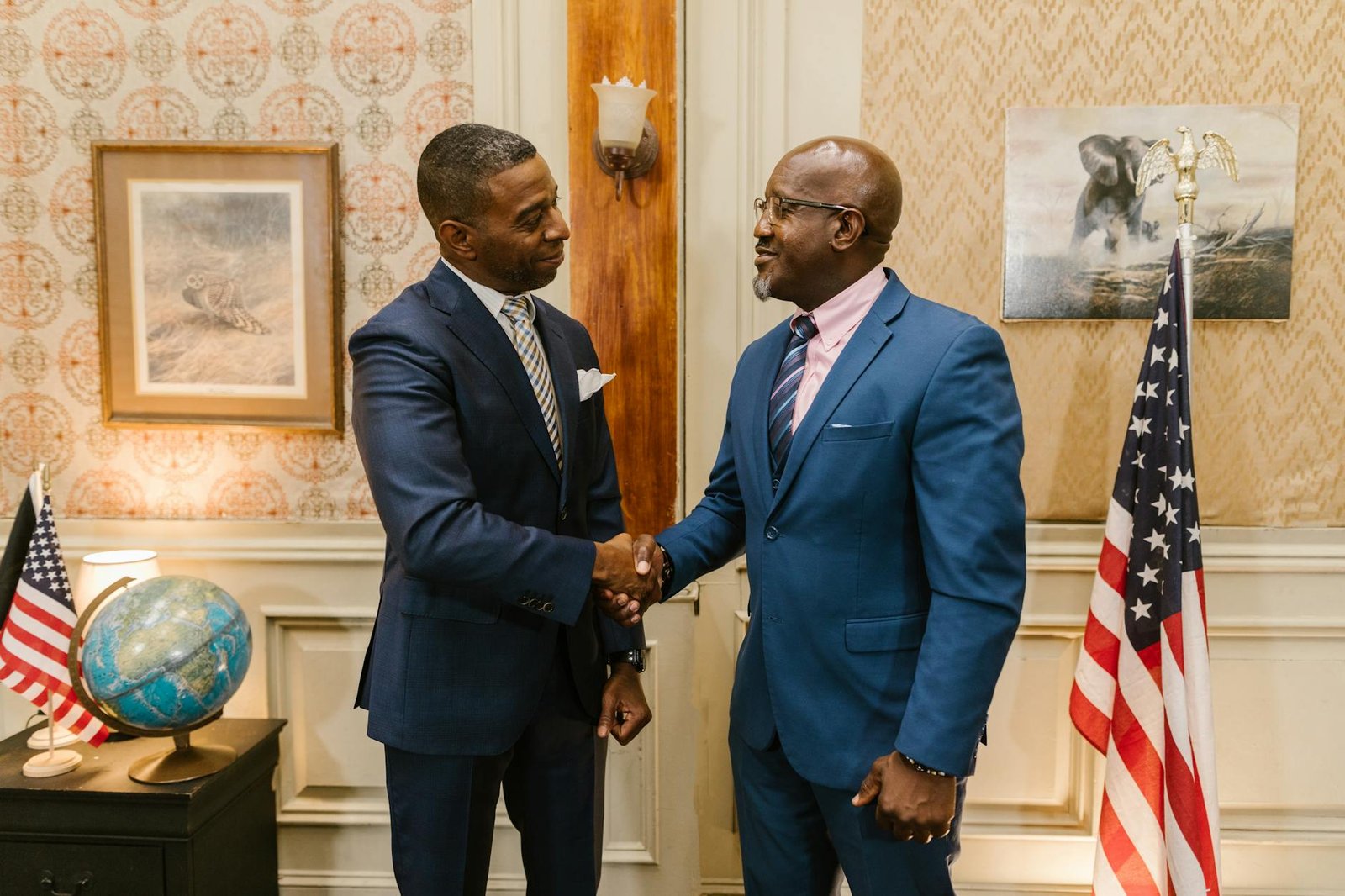
The Senegal and Botswana are entering a new chapter in their bilateral relations, marked by a shared vision for deeper economic cooperation. During a high-level diplomatic meeting, Presidents Bassirou Diomaye Faye and Duma Boko reaffirmed their commitment to fostering stronger trade and investment flows between Dakar and Gaborone. Both leaders, who rose to power following political transitions within months of each other, align on key continental challenges and prioritize sovereignty-driven economic policies.
Emerging South-South cooperation between West and Southern Africa
The current trade volume between Senegal and Botswana remains minimal, constrained by geographical distance and separate regional blocs—Senegal in ECOWAS, Botswana in SADC. No direct preferential trade agreements exist, and cross-border investments are virtually nonexistent. This gap is precisely what the two presidents aim to bridge. The African Continental Free Trade Area (AfCFTA), launched in 2021, now provides a legal framework to facilitate previously untapped bilateral partnerships, enabling smoother exchanges of goods, services, and expertise.
Industrial synergies waiting to be unlocked
While their economies differ in structure, Senegal and Botswana hold significant potential for mutual benefit. Botswana, renowned for its diamond-driven growth and transparent mining governance, seeks to diversify its economy by reducing reliance on a single sector. Meanwhile, Senegal is expanding its hydrocarbons sector with projects like Sangomar and Grand Tortue Ahmeyim, while solidifying its agricultural, fisheries, and financial services industries. Dakar’s expertise in digital innovation and higher education could offer valuable partnerships for Gaborone, particularly in francophone African markets. Another promising area of collaboration lies in extractive revenue management, where Botswana’s decades-long experience with sovereign wealth funds could inform Senegal’s burgeoning oil and gas sector.
Diplomacy with a reformist agenda
For President Faye, this partnership aligns with a broader strategy to engage with non-traditional African allies beyond West Africa and the Maghreb. Botswana, recognized as one of Africa’s most stable democracies, presents a compelling model for a government positioning itself as a reformist alternative. Duma Boko, a former opposition leader who assumed office in late 2024 after ending the Botswana Democratic Party’s nearly six-decade rule, shares this reformist vision. Their alignment on governance and economic priorities could amplify the symbolic weight of their collaboration.
The challenge now lies in translating intent into action. Diplomatic teams must identify key sectors, address logistical hurdles like the lack of direct flights, and establish a legal environment conducive to mutual investments. Without concrete mechanisms—such as a joint commission or bilateral business forum—this declaration risks remaining symbolic, echoing countless unfulfilled memorandums between African states. Establishing operational frameworks will be critical to ensuring tangible progress in this budding partnership.
Exploring further
Related analyses: Economic reforms in West Africa | AfCFTA implementation challenges | Post-conflict economic recovery strategies