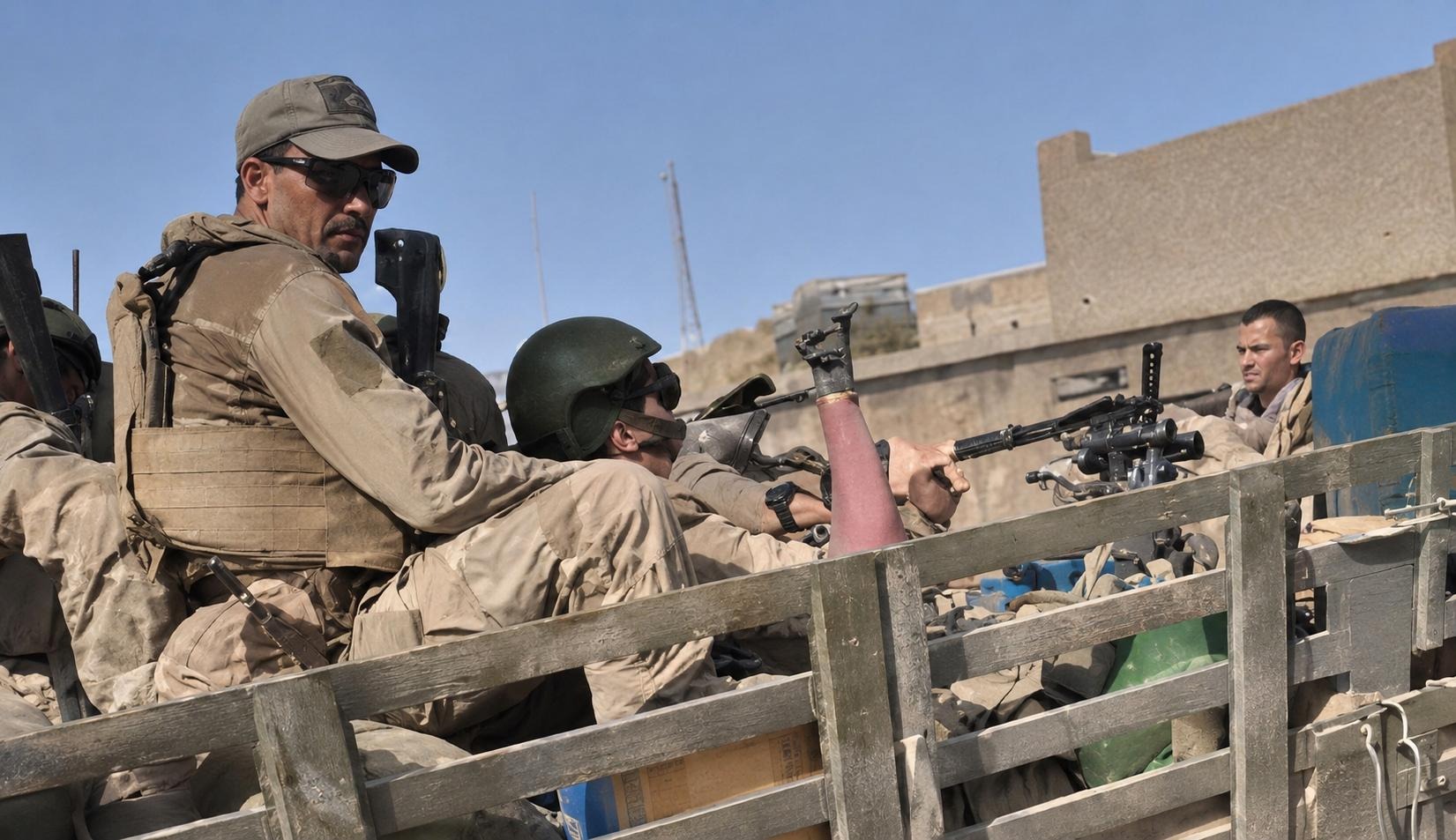
The 26th of April 2026 will forever be etched in Mali’s history as a day of profound humiliation. On that date, the strategic city of Kidal—once hailed by Bamako as proof of the nation’s regained sovereignty—slipped back into rebel control. Yet the most staggering aspect of this debacle wasn’t the military setback itself; it was the conduct of the Russian Africa Corps (successors to the Wagner Group). As fighting raged, Moscow’s forces prioritised their own escape over honouring their alliance with Malian troops.
a lightning assault that shattered Bamako’s ambitions
The weekend of 25 April witnessed an unprecedented surge in violence. A coordinated offensive, spearheaded by the Front de Libération de l’Azawad and the Jama’at Nusrat al-Islam wal Muslimeen, swept across swathes of Mali—from Kati in the south-west to Gao in the east. Their objective was unambiguous: overwhelm government forces to seize Kidal.
Facing what analysts described as a “perfect storm,” the Russian contingent—long marketed as an unstoppable fighting force—succumbed to panic. Rather than mounting a counter-offensive, they focused on self-preservation.
the shameful “corridor” deal
In an act that stunned observers worldwide, Russian commanders entered into direct negotiations with rebel leaders to secure a safe passage out of Kidal.
- Terms of surrender: Moscow’s troops abandoned their strategic positions and handed over heavy weaponry in exchange for a protected corridor—a narrow route through hostile territory leading to Gao, where they could evacuate their wounded.
- Betrayal of Malian allies: Officials in Bamako later claimed this was merely a tactical repositioning, yet the consequences for the Malian Armed Forces were catastrophic. Deprived of air support and logistical backup, government soldiers were left to fend for themselves in the heart of a warzone.
the myth of Russian reliability crumbles
This episode exposed the hollow promises of Moscow’s mercenary brigades. Far from acting as steadfast allies, Africa Corps personnel behaved like corporate mercenaries whose sole allegiance was to profit—and survival.
- Profit over partnership: Russia’s presence in Mali is driven by geopolitical leverage and access to gold reserves. Whenever risks escalate or expenses rise, Moscow’s representatives retreat, even at the expense of humiliating Mali’s government.
- Suspicious engagements: Unverified reports suggest Russian intermediaries even explored non-aggression pacts with jihadist factions ahead of the final assault. Such behaviour raises a critical question: can a partner who negotiates with enemies be trusted to fight them?
what Kidal taught Bamako about unreliable allies
The April 2026 withdrawal shattered the illusion of a Russian solution to Mali’s security challenges. By choosing self-interest over solidarity, Africa Corps forces delivered a stark message: they are not long-term partners, but transactional actors ready to abandon the battlefield the moment survival—or profit—demands it.