Economists urge Senegal to broaden its debt financing beyond traditional lenders
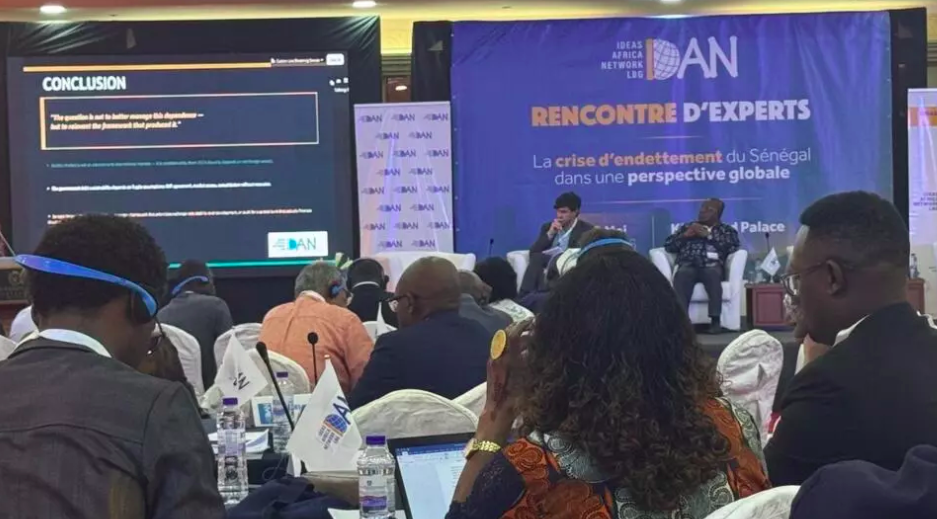
At a high-level economic forum in Dakar, financial experts delivered a strong message to Senegalese authorities: break free from over-reliance on conventional multilateral institutions to address the country’s spiraling debt crisis. The call comes amid growing concerns that public debt levels have reached unsustainable heights, prompting urgent recommendations for structural reforms in debt management.
Uncovering hidden financial liabilities
Current Senegalese officials have publicly raised alarms about undisclosed financial commitments accumulated between 2019 and 2024 under previous administrations. These obscured obligations have significantly contributed to pushing the national debt-to-GDP ratio to 132%, according to government statements. While former President Macky Sall has denied knowledge of these commitments, the revelation has intensified scrutiny over transparency in public finance governance.
Exploring alternative partnerships for sustainable debt relief
Prominent economists at the conference emphasized the need for Senegal to seek financing from partners beyond traditional Western institutions, which they argue perpetuate neo-colonial financial dependencies. Demba Moussa Dembélé, president of the Africaine de Recherche et de Coopération pour l’Appui au Développement Endogène (ARCADE), highlighted China as a viable alternative partner, stating that such collaborations could help Senegal escape what he described as a neo-colonial debt trap.
Dembélé’s proposal includes:
- A comprehensive public debt audit to assess the full scope of liabilities
- Strengthening partnerships with sovereign-friendly nations like China
- Promoting endogenous development models rooted in local knowledge systems
Ali Zafar, an economic advisor with the United Nations Development Programme (UNDP), echoed these sentiments, suggesting that Senegal follow the example of Turkey, which diversified its creditor base by securing funds from Saudi Arabia. Zafar advocated for bilateral negotiations with non-traditional lenders, including China, to leverage their debt management expertise.
He stressed that Senegal should enter International Monetary Fund (IMF) negotiations with robust counterproposals to safeguard social sectors such as education and healthcare. “Countries like Senegal cannot afford to allocate all revenues toward debt servicing or use international loans to pay off existing creditors,” he said. “It is time African nations present united opposition to unfair financial impositions.”
Zafar also recommended that Senegal conduct a fresh debt assessment to fully understand the crisis’s magnitude and consider establishing an independent central bank to gain greater monetary sovereignty. “No Asian nation would tolerate the financial burden Senegal faces today,” he asserted. “There are concrete, sovereign solutions available to avert this debt crisis without resorting to the IMF.”
IMF talks continue as debt negotiations intensify
Discussions between Senegalese officials and IMF representatives have been ongoing. In late April, delegates led by Alioune Diouf, Director of Debt at the Ministry of Finance and Budget, met with IMF leadership in Washington to review debt restructuring frameworks and explore alternative financing avenues.
With public debt levels continuing to rise and social infrastructure under pressure, the recommendations from Dakar’s economic forum signal a pivotal moment for Senegal’s financial strategy. The push for diversified funding sources and debt transparency reflects a broader regional trend toward reclaiming economic autonomy in the face of global financial pressures.