Sénégal football academies: how youth training is shaping world-class players
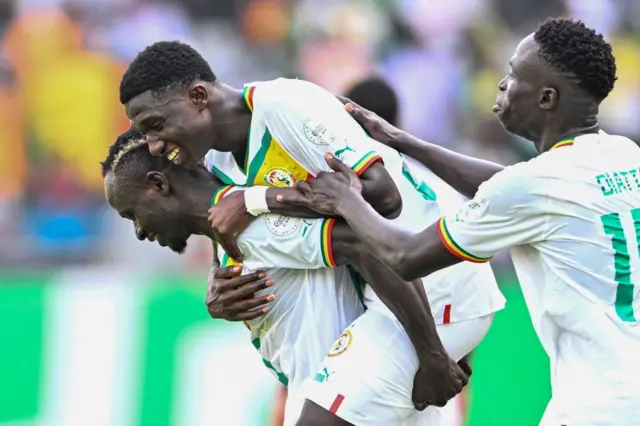
Crédit photo, Getty Images
Under the scorching Dakar sun, the synthetic pitch of the CICES buzzes with an unmistakable energy. Away from the hustle of the VDN highway, Be Sport Academy thrives like a hive, where every detail matters. Fifteen-year-old Souleymane meticulously ties his laces while teammates adjust their shin guards, exchanging focused glances. The session is already ten minutes behind schedule, but discipline prevails. When the ball finally arrives, the young players’ faces light up as drills begin, their movements synchronizing under the watchful eyes of seasoned coaches.
For these adolescents, each training session is more than practice—it’s an audition. This relentless pursuit of excellence isn’t accidental; it’s the gold standard in Senegal’s rapidly expanding football development model. Over the past two decades, football academies have evolved from scattered initiatives into indispensable structures, nurturing not just athletes but complete individuals.
Why Senegal’s football academies are becoming Africa’s talent hotspot
Once seen as a raw reservoir of potential, Senegal has transformed into a structured football development powerhouse in Africa. Football academies now function as a parallel industry—sporting, social, and economic—reshaping the nation’s football landscape.
The success of this model stems from a unique blend of professional coaching, state-of-the-art facilities, strategic partnerships with European clubs, and an educational vision that extends beyond the pitch. Pioneers like the Institut Diambars, founded in 2003 in Saly, set the standard early on. Its first major success story, Idrissa Gana Gueye, paved the way for a generation of players who made their mark in European leagues.
Génération Foot, meanwhile, has established itself as a continental benchmark. Its partnership with French club FC Metz created a direct pipeline to Europe, producing stars like Sadio Mané, Ismaïla Sarr, Habib Diallo, Pape Matar Sarr, and Lamine Camara—all graduates who embody both sporting and social success.
These success stories have had a ripple effect, making academies highly attractive to young players and families who view them as credible social elevators. The academies don’t just train footballers; they combine academic education, sports discipline, and social support, meeting dual objectives: producing competitive players while offering life-changing opportunities.
From raw talent to world-class professionals: the academy transformation
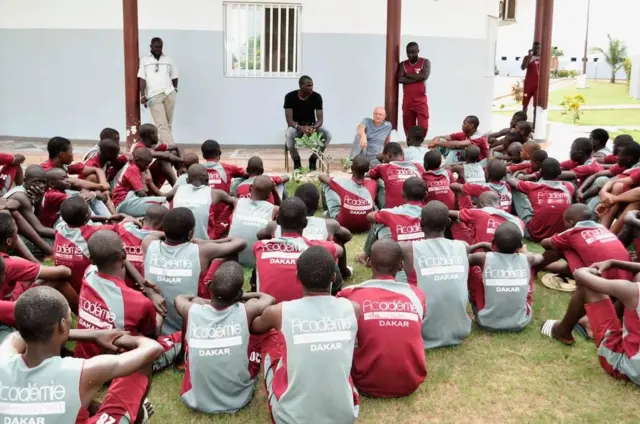
Before the academy revolution, Senegalese football talent was often discovered informally through local tournaments or scout networks. Today, these centers provide a structured environment where young players immerse themselves in high-performance culture from an early age. This shift marks a departure from previous generations, who were talented but less guided.
Academies like Diambars, Génération Foot, and Dakar Sacré-Cœur form elite players, regularly exporting talent to Europe. They go beyond technical training, offering comprehensive support that transforms raw talent into globally recognized professionals. Players are nurtured over several years using methods inspired by international best practices.
Crédit photo, GENERATION FOOT
Sports journalist Adama Ndione, who has observed this transformation firsthand, emphasizes the central role of academies in Senegal’s recent successes. “In just two decades, the country has shifted from inconsistent performances to consistent presence on the African and global stage, culminating in the 2021 Africa Cup of Nations victory and strong World Cup performances,” he explains.
This transformation traces back to the early 2000s when structures like Génération Foot and Diambars began systematically developing young players. Their first generations quickly fed into national teams. “The backbone of national teams from U15 to the senior squad comes predominantly from these academies,” notes Ndione.
Before this silent revolution, Senegal had talent, but it remained largely invisible. “Talent always existed, but it wasn’t properly harnessed,” he says. Without proper structures, young players from remote areas had to wait for amateur tournaments to get noticed—a haphazard and inefficient system. Early African youth competitions in the 1990s highlighted this lack of organization, with only isolated profiles emerging.
“Talent was like an untapped natural resource—oil or gold buried underground,” Ndione reflects.
The 2000s pioneers: laying the foundation for modern football
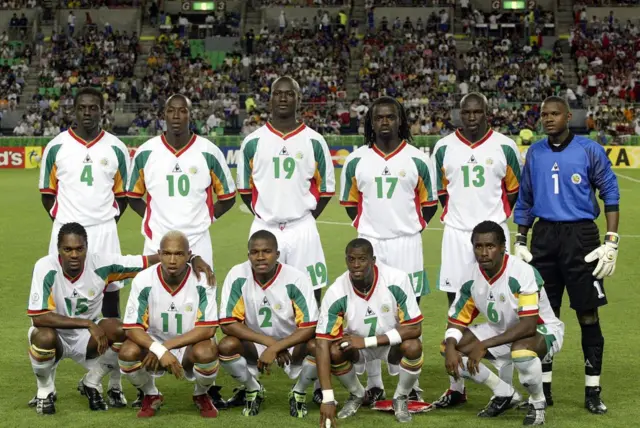
Abdou Gueye Luque, Regional Technical Director of Dakar and President of the Dakar Football Schools Coordination, highlights the importance of early 2000s pioneers. “Academies like Aldo Gentina (Malik Sy Souris), Diambars (Saer Seck), and Génération Foot (Mady Touré) turned Senegal into a talent destination, with graduates achieving high-level success,” he states.
This transformation, rooted in strategic choices made in the early 2000s, explains Senegal’s recent football successes in Africa. “I’m convinced that current football successes originate from the groundwork laid by training centers and academies like Aldo Gentina, Génération Foot, and Diambars. These structures focused on early player development with experienced coaches who could unlock potential. This strategic choice led to talent that now proudly represents Senegal internationally.”
Crédit photo, Getty Images
The academies’ success stems from several factors: their structured approach is rare in Africa, they generate economic returns through transfers, and they’ve built international credibility through past achievements. Most importantly, they meet a global demand—European clubs seek young, trained, adaptable players with discipline. Senegal now checks all these boxes.
Former international teammate El Hadji Diouf emphasizes the partnership between the government and the Senegalese Football Federation (FSF), along with significant infrastructure investments. “Wherever you go in Senegal, every city has academies,” Diouf told BBC Sport Africa after the 2021 CAN victory. “They start very early, with players under 10, and organize annual tournaments. We want to improve this and match the organization of England and France.”
How much do academies contribute to the national team’s success?
A significant portion of Senegal’s recent success is directly linked to academy work. They’ve professionalized youth detection and training, giving the country a pool of technically sharp, mentally prepared players accustomed to international standards from adolescence.
Academies like Génération Foot and Diambars have provided solid foundations for the national team, regularly supplying ready-to-perform talent. “Génération Foot, for example, started training players in 2002–2004; its first cohorts quickly reached the national team (notably Babacar Guèye and Dino Djiba). Similarly, Diambars, launched in 2003–2004, began exporting talent around 2009–2011: Gana Guèye, Pape Alioune Ndiaye, Kara Mbodj, Saliou Ciss, Pape Ndiaye Souaré, among others, all progressed through youth categories before joining the senior squad,” explains Adama Ndione.
This development coincided with Senegal’s rise on the international stage. From the drought of the 1990s to becoming one of Africa’s most consistent teams, Senegal owes much of its current success to the rise of its football academies, according to Ndione.
“The academy boom has profoundly transformed Senegal’s football ecosystem. Encouraged by sports authorities like the FSF, these structures introduced modern methods: early detection, educational support, tactical training, and physical preparation,” he notes.
Today, centers like Darou Salam, Oslo, Diambar, Lusitana, and Dakar Sacré-Cœur contribute to this training network, exporting talent to Europe. This structuring has also transformed the profile of Senegalese internationals. “We’ve moved from a football based on power and aggression to a more complete game,” observes Ndione.
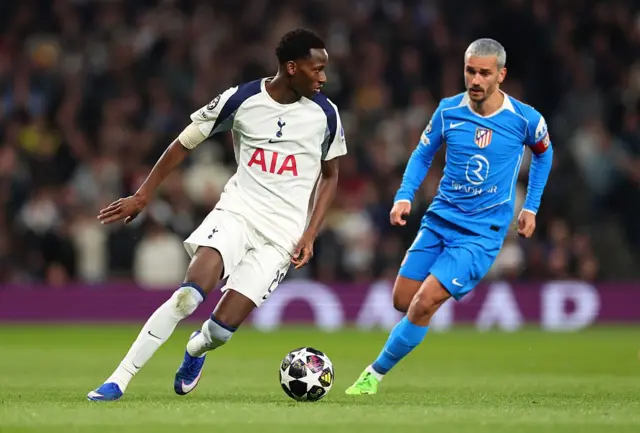
The generational shift is striking: while 1990s players were valued for physical impact, current profiles stand out for tactical intelligence, versatility, and technical quality. “The midfielders of Senegal’s national team exemplify this evolution. Players like Pape Gueye, Habib Diarra, Pape Matar Sarr, or Lamine Camara embody this new generation—they know how to recover the ball, direct play, break lines, and participate in offensive construction,” he explains.
Crédit photo, Getty Images
Today, over 80% of national team players come from academic structures—a radical shift from previous generations, who emerged mostly from street football or amateur clubs. This transformation explains part of Senegal’s consistency on the international stage, with titles across all categories (senior, U20, U17, U15) and regular World Cup appearances.
A sustainable model for African football?
Senegal’s recent performances aren’t random; they’re the result of deep investment in youth development. Between continental titles and consistency in international competitions, the country now boasts a stable and deep talent pool.
For Adama Ndione, the challenge is clear: “If Senegal continues investing in training, particularly in coach education, it can not only remain an African leader but also aim for major global performances.”
The academies have changed how Senegalese talent is scouted and valued. European clubs establish official partnerships (e.g., Génération Foot with FC Metz). Transfers are better managed, generating economic returns for the country. Young players gain international visibility during their formative years.
Beyond performance, academies redefine social trajectories. Senegal’s success isn’t accidental but the result of a growing ecosystem where academies are indispensable actors at the intersection of sport, economy, and human development.
In a continent with immense but often underutilized potential, the Senegalese model now stands as a reference. It proves that structured investment in youth can permanently transform a nation’s sporting destiny.