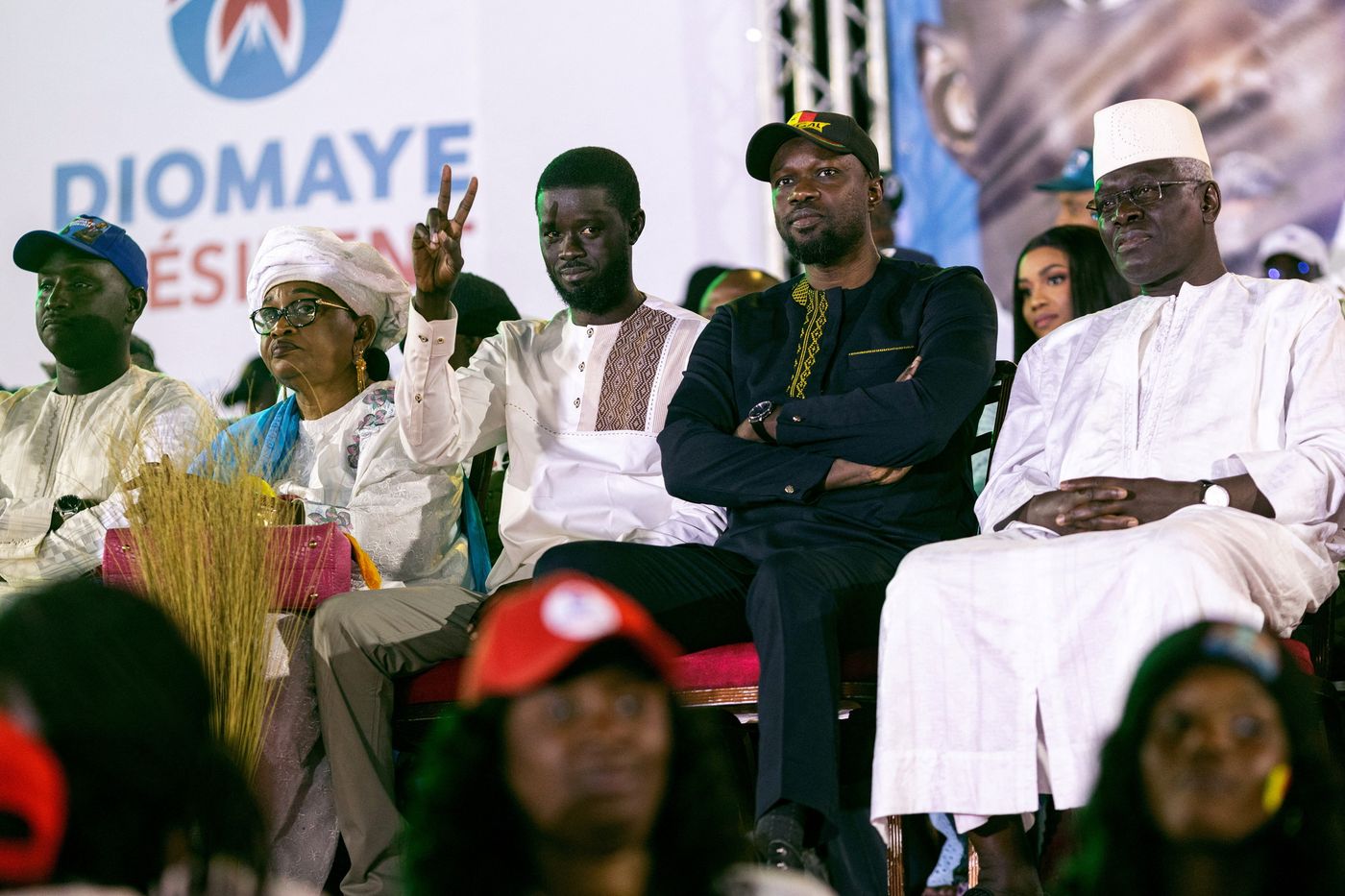
The Democratic Front for the Defense of Democracy and Republic (FDR), a coalition of opposition parties in Senegal, has formally requested the removal of Prime Minister Ousmane Sonko from the national assembly. Addressed in Dakar, the demand targets the leader of the Pastef party and aims to challenge his dual role as head of government and parliamentary figure, intensifying a political standoff reshaping the country’s institutional landscape.
Parliamentary maneuver targets government leadership
The FDR, which brings together several factions opposing the political shift that followed the March 2024 elections, grounds its petition in institutional legitimacy. Its leaders argue that Sonko’s simultaneous roles as Prime Minister and parliamentary leader create an imbalance between Senegal’s executive and legislative branches. This structural overlap, they contend, undermines the separation of powers and weakens legislative oversight.
Beyond legal concerns, the opposition’s move reflects a strategic calculation. By excluding Sonko from the assembly floor, the FDR seeks to diminish his direct influence over legislative debates. The coalition is determined to regain ground in an assembly where the ruling Pastef party maintains a dominant majority following the November 2024 snap elections, which solidified its parliamentary control.
A landscape of deepening political polarization
The opposition’s demand emerges amid rising political tensions in Senegal. Since President Bassirou Diomaye Faye took office and appointed Sonko as Prime Minister, relations between the new administration and former ruling coalitions—particularly those aligned with the disbanded Benno Bokk Yaakaar alliance—have deteriorated sharply. Parliamentary sessions have been repeatedly disrupted by verbal confrontations, procedural disputes, and temporary adjournments.
The debate over accountability for the previous administration’s policies under former President Macky Sall has fueled this divide. While the opposition accuses the government of weaponizing state institutions, the ruling majority insists it holds a clear electoral mandate to reform public governance. Sonko, a polarizing yet pivotal figure within the current administration, has become a focal point in this broader contest over the direction of Senegal’s public affairs.
Institutional stability at stake in Senegal
The outcome of the FDR’s request hinges on legal interpretations by parliamentary authorities and, if necessary, the Constitutional Council. Given the Pastef party’s commanding majority in the assembly, it holds substantial power to block such measures. Still, the episode could spark wider discussions in Senegal about the compatibility of holding simultaneous government and parliamentary roles, and how such arrangements affect checks and balances.
For Senegal’s international partners and economic stakeholders, the unfolding tensions are closely monitored. As the country begins developing its oil and gas reserves and negotiates fiscal reforms, political stability remains critical. Prolonged friction between the executive and opposition risks undermining investor confidence and the perception of Senegal as a reliable partner during this pivotal phase of economic transformation.
The FDR’s latest initiative underscores that the struggle between Pastef and its rivals will unfold across multiple fronts—parliament, the courts, and the media. With Sonko now facing a formal removal procedure, the opposition appears determined to press every available lever in its bid to reshape the political balance. This strategic escalation signals that Senegal’s democratic process remains highly contested, with long-term implications for governance and national cohesion.