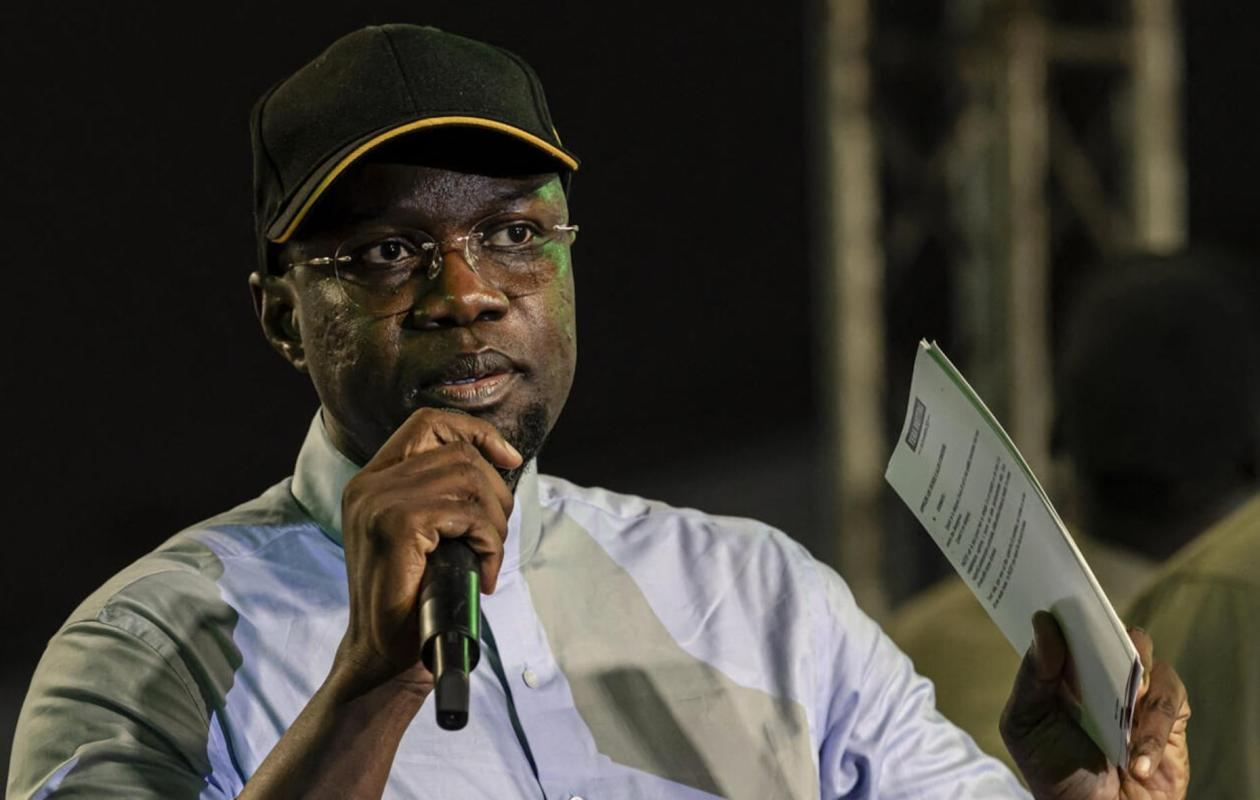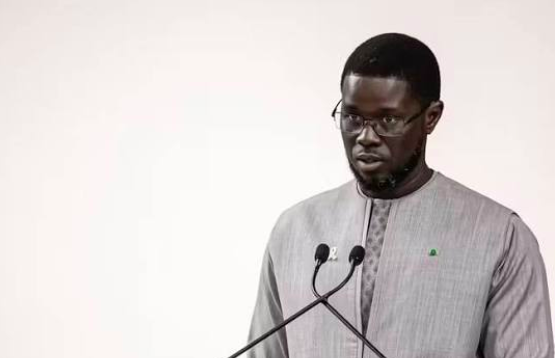
After months of speculation, the long-anticipated political tremor has struck Senegal’s capital. President Bassirou Diomaye Faye has terminated the mandate of Prime Minister Ousmane Sonko, abruptly ending a partnership that once symbolized innovation in West African governance. The former premier, founder of the Pastef party, has swiftly pivoted to the legislative arena, where his movement commands a commanding majority following snap legislative elections.
An unworkable executive partnership
The Diomaye-Sonko duo, forged in the aftermath of the March 2024 presidential vote, represented an unprecedented political experiment in the subregion. The substitute candidate, catapulted to the presidency after his mentor’s disqualification, had pledged to govern in close collaboration. The arrangement rested on a delicate balance: institutional legitimacy for the head of state, partisan authority and grassroots support for the premier. This model, celebrated by supporters as a democratic breakthrough, carried within it the seeds of its own unraveling.
Tensions mounted steadily over policy direction, the handling of judicial cases inherited from the Macky Sall era, economic strategy, and the pace of campaign pledges. As the president consolidated his authority, the premier’s room to maneuver evaporated. Senegal’s constitutional framework, which elevates the presidency above all other institutions, offered no pathway for a power-sharing arrangement where both actors claimed a share of the popular mandate secured in 2024.
From government to parliament: Sonko’s strategic pivot
Ousmane Sonko’s dismissal did not spell retreat. The Pastef leader retains a decisive advantage: command of the parliamentary majority forged in the legislative elections. By anchoring himself in the National Assembly, he converts the legislative chamber into a political command center and a platform to challenge the executive from within. The move echoes similar African trajectories where leaders sidelined from government have turned parliament into a bastion of enduring influence.
This new configuration constrains President Diomaye Faye. The head of state must now navigate a parliamentary bloc still loyal to his former premier, severely limiting his legislative leverage. Future cabinet appointments, budget approvals, and the implementation of major reforms promised to voters now hinge on an unprecedented power struggle within the ruling party itself.
What lies ahead for Senegal
The rupture transcends personalities. It calls into question the coherence of the sovereignist agenda championed by the Pastef, spanning negotiations over oil and gas contracts, reforms to the CFA franc, audits of public finances, and migration policy. International partners, from the International Monetary Fund to investors operating in the Sangomar and Grand Tortue Ahmeyim fields, will scrutinize Senegal’s institutional stability—long regarded as a democratic showcase in the region.
Regionally, the episode unfolds amid efforts by the Economic Community of West African States (ECOWAS) to rebuild cohesion after the departure of Sahelian states forming the Alliance of Sahel States. Dakar, which had assumed a mediating role under President Diomaye Faye’s leadership, risks seeing its diplomatic influence weakened by domestic turbulence. Whether the head of state can install a new government capable of restoring stability remains uncertain, as may be the response of the Pastef’s grassroots base—traditionally anchored to Sonko—should they take to the streets.
Senegal is entering a phase of political uncertainty whose outcome will shape the contours of the country’s second democratic alternation. The coming weeks will reveal whether this crisis sparks renewal or deepens divisions.