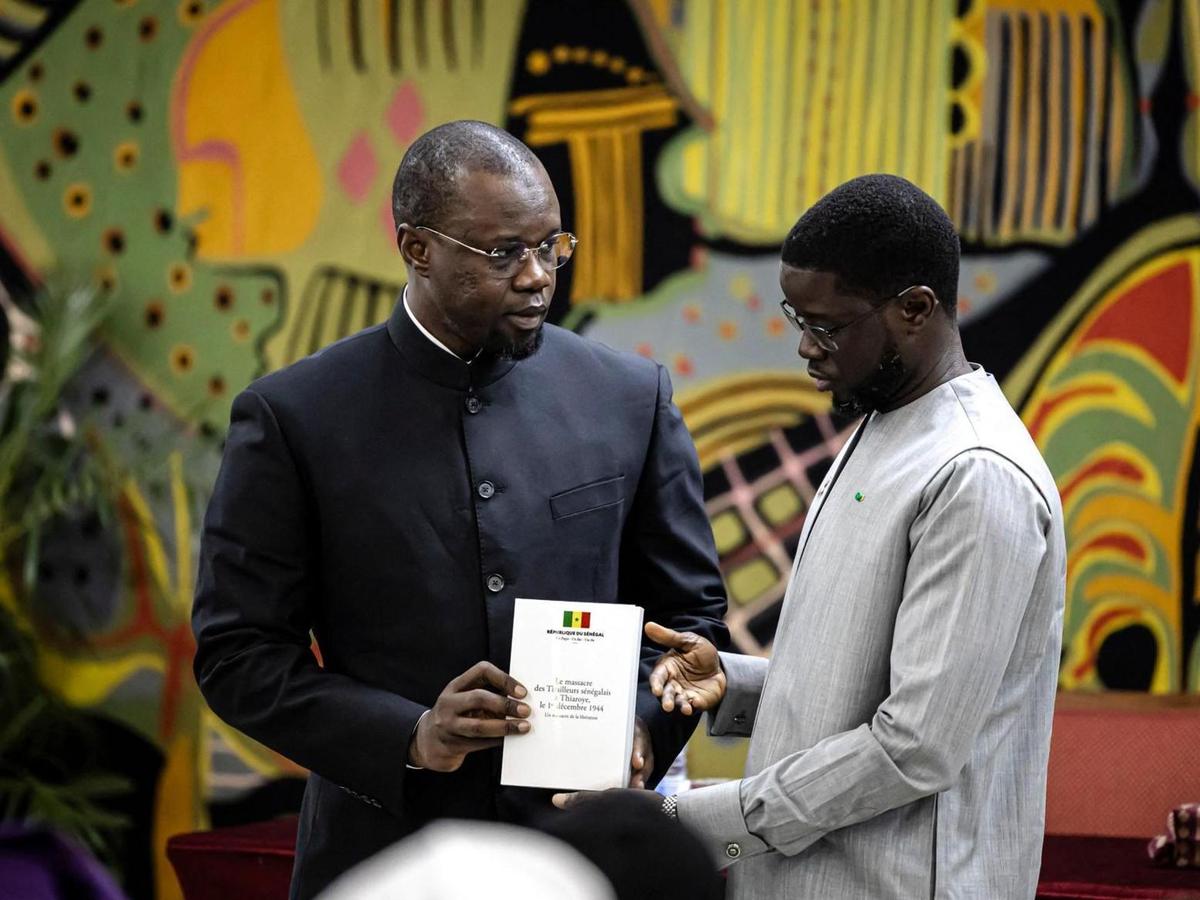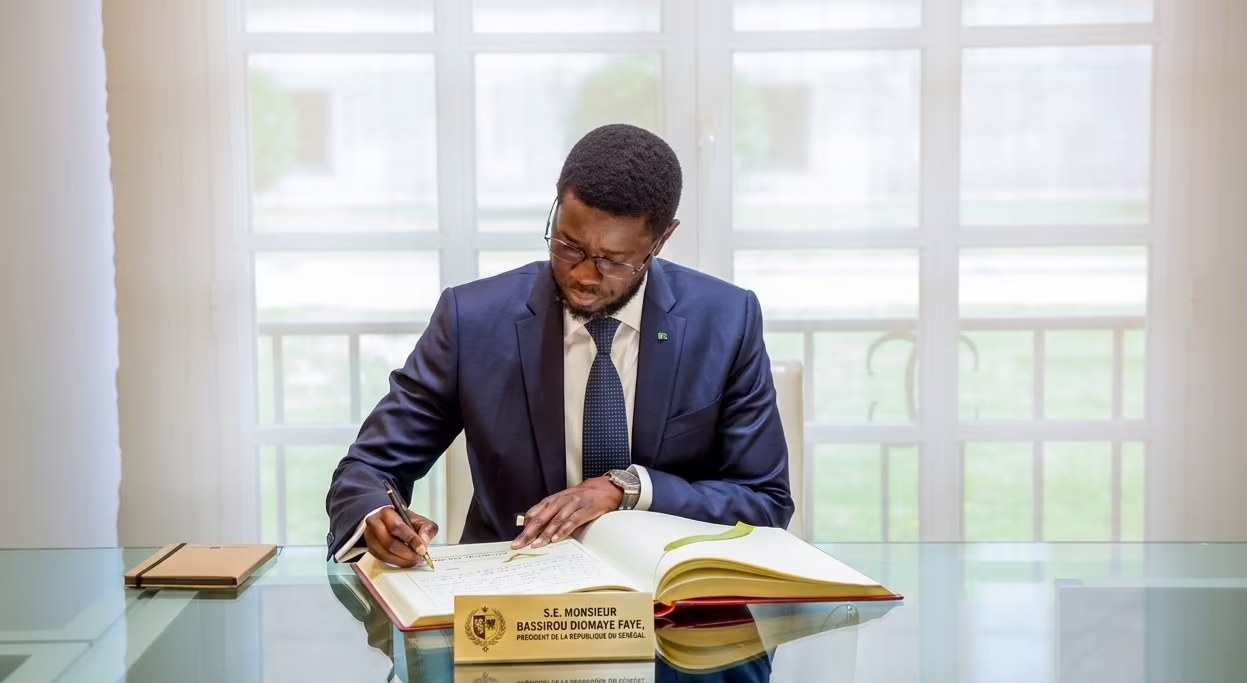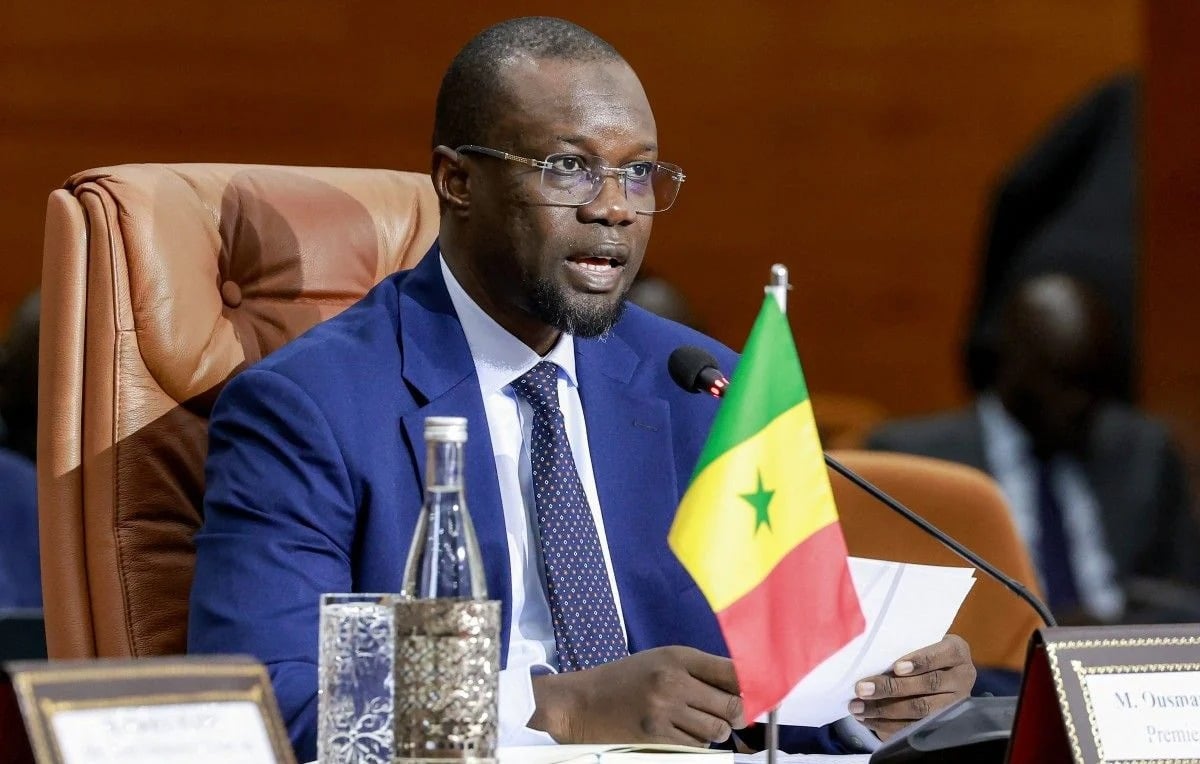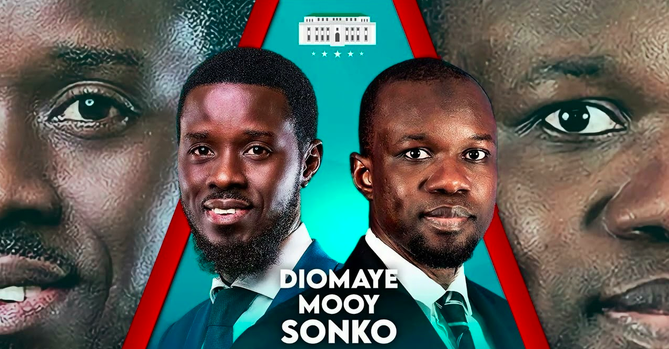
The systematic replacement of administrators linked to Ousmane Sonko is not a mere short-term adjustment. Instead, it appears to be part of a deliberate strategy to create a pool of ‘Diomaye-compatible’ officials who could eventually solidify both the presidential coalition and the future ruling party across Senegal.
Yet this long-term plan carries significant political risks for Pastef, the party founded by Sonko. By methodically cultivating loyalists, the government may push some of its most strategic militants—currently heading public agencies—to publicly distance themselves from their former leader. Over time, this could marginalize Pastef from the very state apparatus it helped establish.
Internal divisions have surfaced within Sonko’s inner circle following his refusal to allow his allies to join the new government after his own dismissal. Birame Souleye Diop, a key figure in the party, reportedly advocated for maintaining Patriote representation in the executive. His stance reflects broader unease about the direction of the movement.
One opposition source suggests Sonko’s decision was calculated: keeping his ministers away from government roles may have been an attempt to prevent them from being absorbed into the presidential orbit rather than remaining loyal to the party.
This struggle for control over political and administrative levers unfolds against a backdrop of escalating tensions between the former allies, exacerbated by disputes over constitutional reform. Whether the ‘cadre strategy’ will strengthen the president’s political base or further fracture an already fragile coalition remains uncertain.