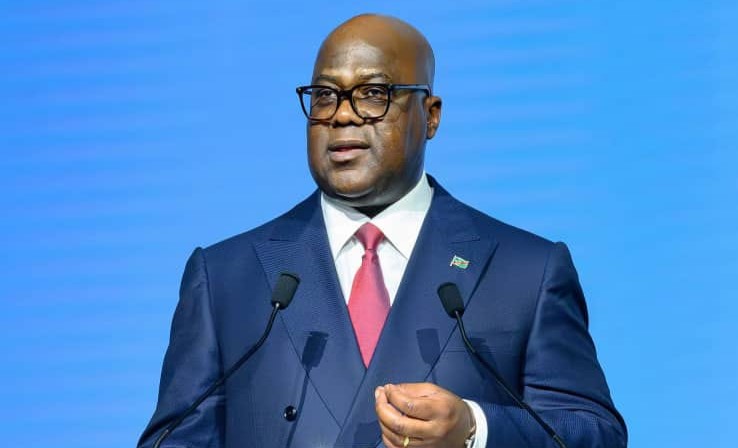
During a high-level gathering in N’Djamena with heads of state, development partners, and water sector experts, the Congolese leader highlighted his country’s vast water resources. Yet he stressed that these assets must translate into tangible benefits for ordinary citizens.
The Democratic Republic of the Congo is setting ambitious targets: 60 % access to safe drinking water and 50 % coverage for sanitation and hygiene services by 2035. Government officials say this dual commitment will sharply reduce waterborne diseases and elevate public health standards across the nation.
Beyond household access, Kinshasa is also targeting 80 % coverage in schools and health facilities. This push aims to create healthier learning environments for students and safer conditions for patients and medical staff. Authorities describe the plan as a cornerstone of broader social-infrastructure development.
Our priority is to ensure adequate water, sanitation, and hygiene services in at least 80 % of schools and health centers by 2035. These settings are on the front lines of exposure, so they deserve urgent attention.
Achieving these goals will require coordinated action. The Congolese government plans to blend public funding, private investment, and international support to close the current infrastructure gap and accelerate service rollout.
Five pillars for transforming Africa’s water future
Addressing continental challenges, the President outlined five strategic directions:
- Policy integration: Aligning national water strategies across sectors to eliminate duplication and maximize impact.
- Strong governance: Building transparent, accountable institutions capable of managing water assets efficiently.
- Project readiness: Preparing technically sound and financially viable proposals that attract private capital.
- Local industry push: Developing domestic manufacturing of pipes, pumps, meters, treatment units, irrigation systems, and digital solutions.
- Sustainable financing: Crafting bankable projects with blended funding models to ensure long-term viability.
The President argued that scaling up local production will reduce import dependence, create skilled jobs, and stimulate industrial growth. He called for rigorous planning to ensure every project is bankable, technically robust, and aligned with Africa’s broader development agenda—more access, stronger governance, and a thriving water industry.