Senegal’s prime minister to address pressing national issues in parliament
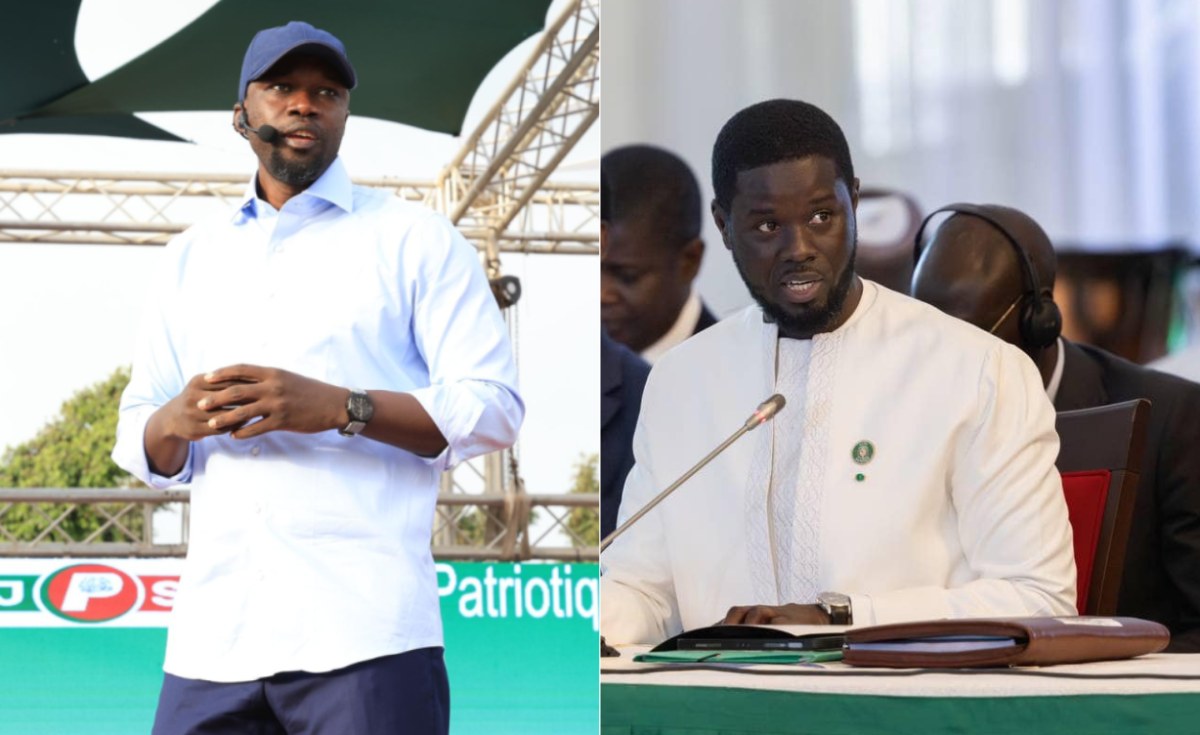
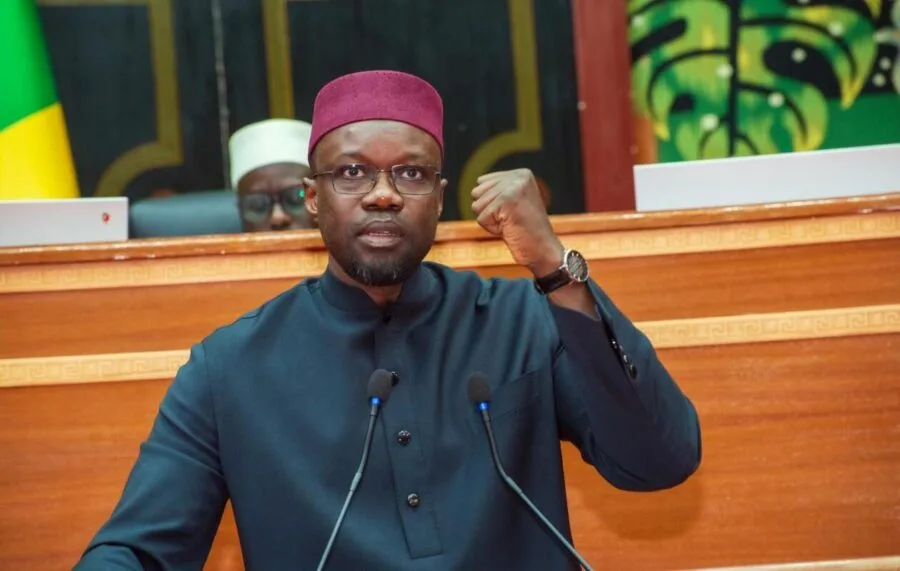
Prime Minister Ousmane Sonko is set to appear before the National Assembly this Friday, May 22, 2026, for the customary questions to the government session. The announcement was made by El Malick Ndiaye, President of the Assembly, confirming a high-stakes political engagement for the head of government.
The session, officially a routine parliamentary exercise, will likely transcend its formal framework. Instead of a mere review of public policies, it is expected to become a platform for Ousmane Sonko to defend his government’s record, outline future priorities, and address pressing concerns such as the rising cost of living, youth employment, infrastructure development, and agricultural challenges—issues that directly impact Senegalese households.
Political tensions overshadow the parliamentary session
The debate surrounding the electoral code reform remains a focal point of contention. Critics within the opposition allege that the proposed changes are “tailored-made” to favor the ruling Pastef party and its leader. These accusations have intensified debates over institutional reforms, with demands for greater transparency and inclusive dialogue from political opponents.
Ousmane Sonko may also use this platform to clarify his stance on recent public remarks by President Bassirou Diomaye Faye regarding governance priorities. The president has repeatedly emphasized the need for the ruling party to prioritize government work over partisan activities, particularly as Senegal approaches the two-year mark since the historic political shift of March 2024. The timing of this session makes it a critical moment for the Prime Minister to address lingering speculations about potential conflicts within the executive branch, including persistent rumors about his possible resignation.
A pivotal moment for Senegal’s governance
The parliamentary session is not just an institutional formality—it is a strategic opportunity for the Prime Minister to present a comprehensive overview of his government’s achievements and future roadmap. With local elections and the 2029 presidential race looming on the horizon, the stakes are higher than ever. The opposition, as well as ruling party lawmakers, will likely scrutinize the government’s performance, demand concrete timelines for institutional reforms, and seek clarity on key governance mechanisms.
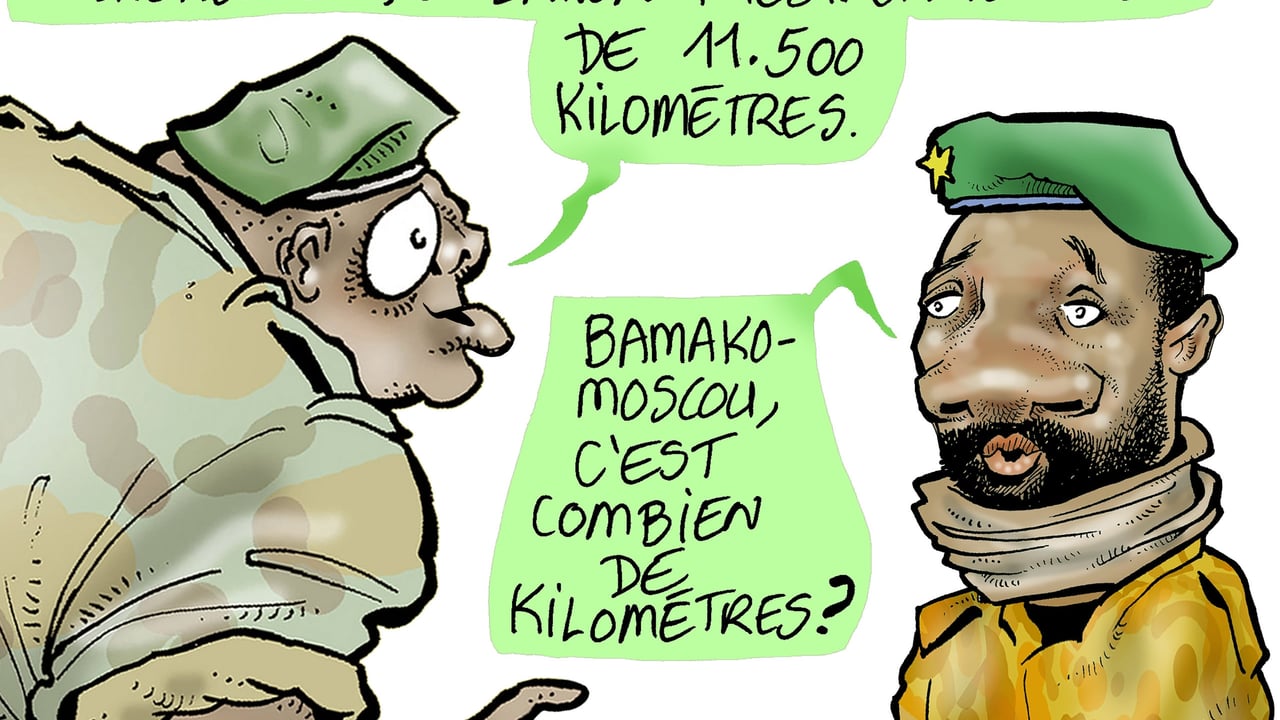
The session will also provide Ousmane Sonko with an opportunity to engage directly with the concerns of the Senegalese people. Beyond political debates, practical issues such as economic stability, public contract negotiations, and regional crises—including the situation in Mali—will be on the table. The Prime Minister will need to demonstrate how his administration plans to navigate these challenges while maintaining public trust.
What’s at stake for Senegal’s future
As Senegal’s political landscape evolves, this parliamentary engagement could serve as a defining moment for the country’s democratic future. The electoral code reform, institutional modernization efforts, and the delicate balance of power between the executive and legislative branches will be central to the discussions. For Ousmane Sonko, this is more than a Q&A session—it is a chance to reaffirm his government’s commitment to the Senegalese people and outline a vision for the years ahead.