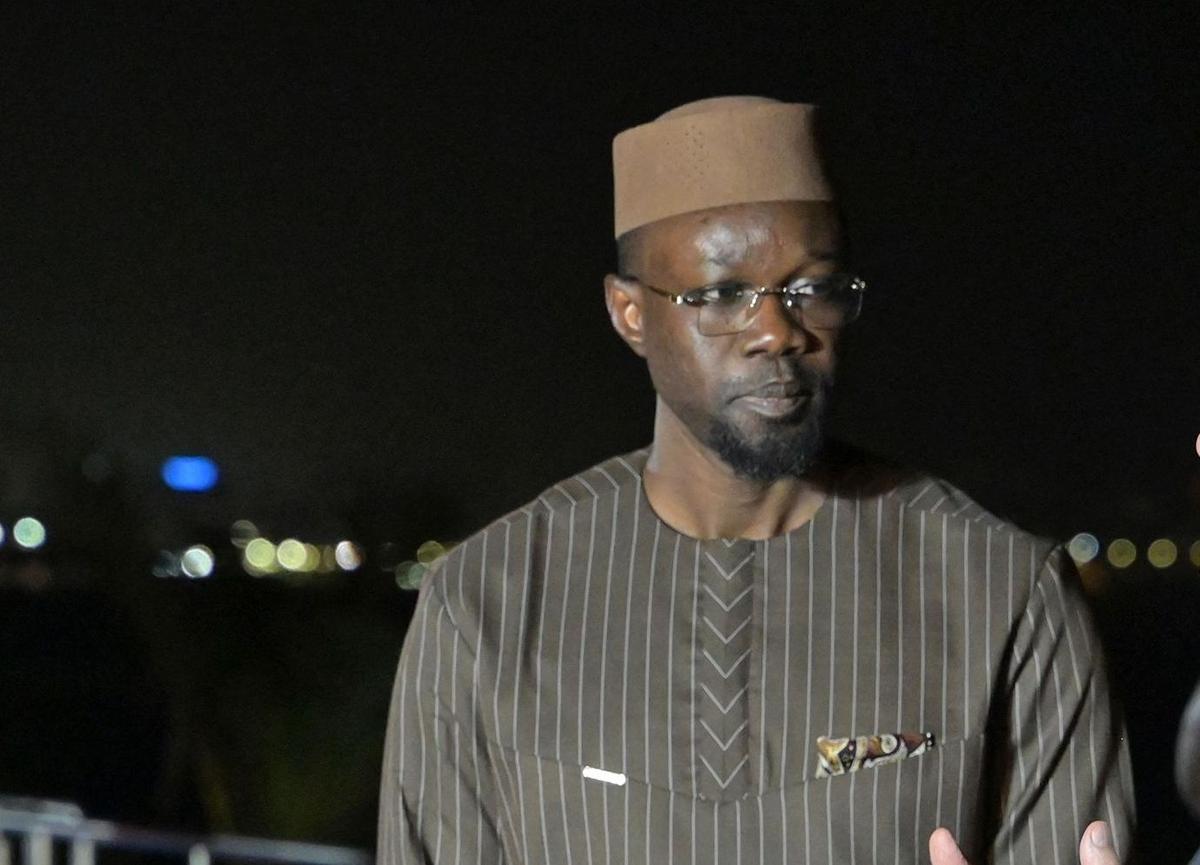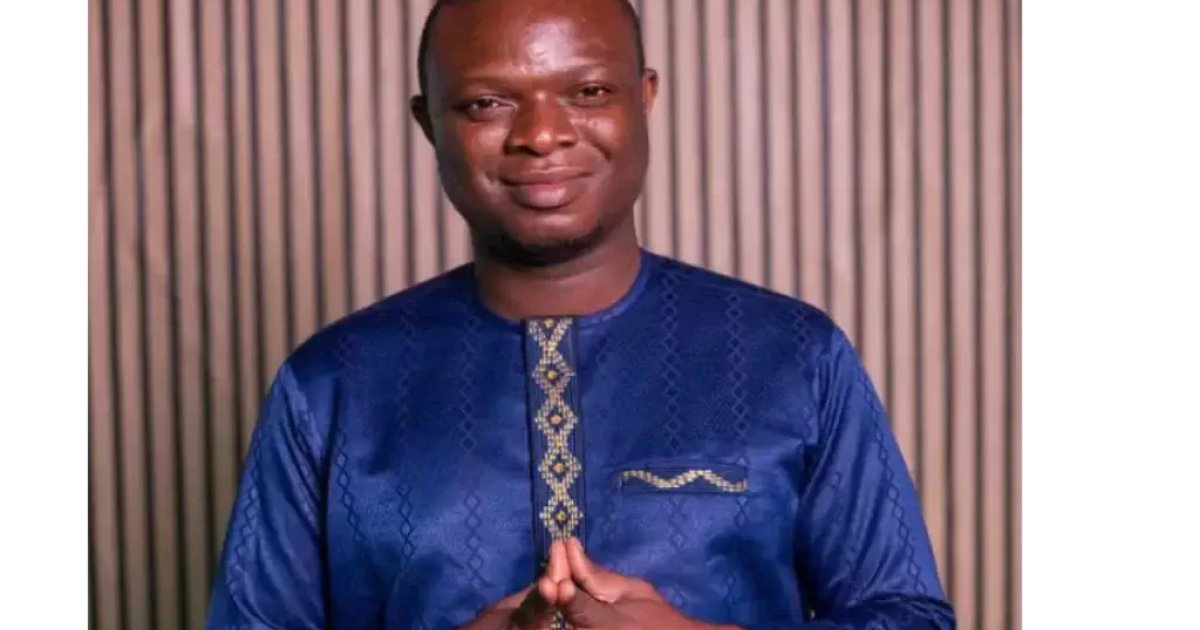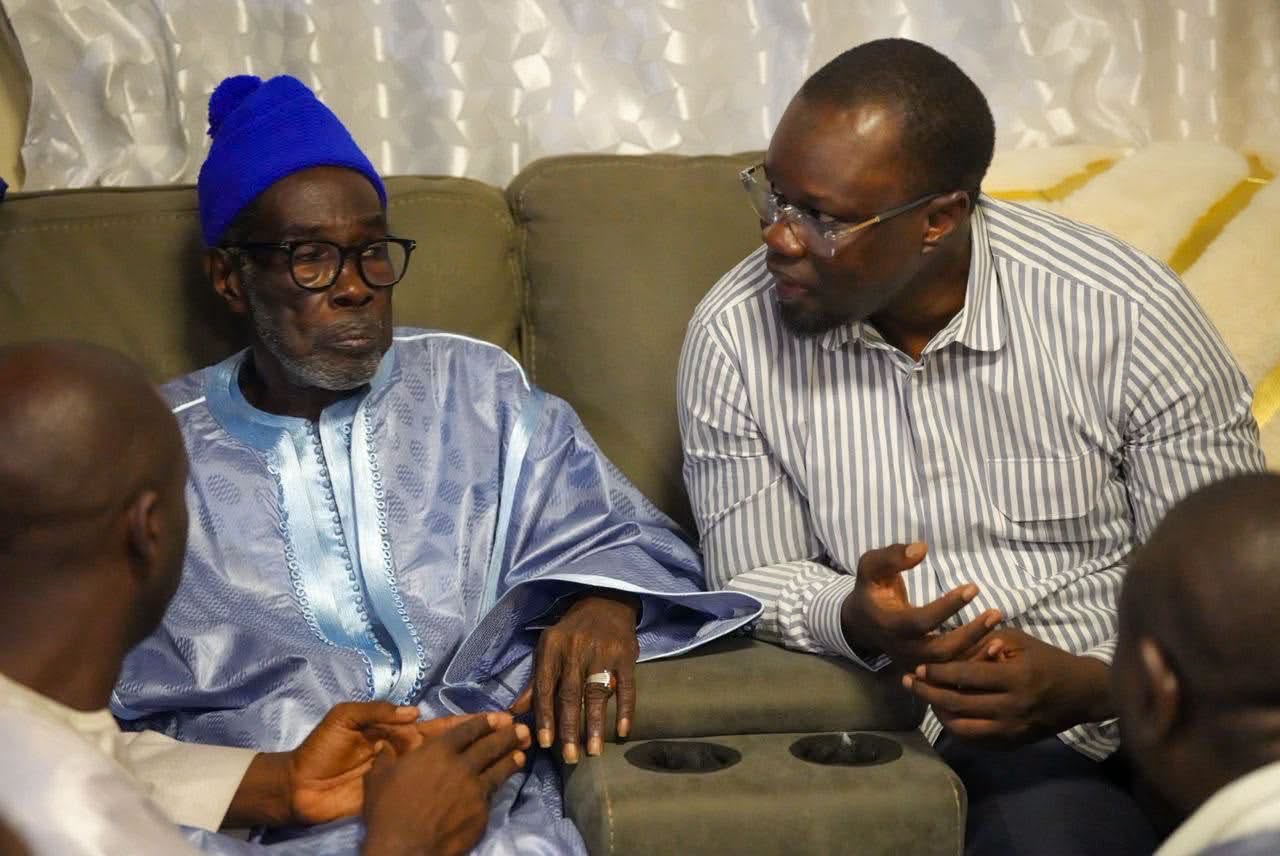
After just two years at the helm, Senegal’s President Bassirou Diomaye Faye has made the unexpected decision to end the partnership with his Prime Minister Ousmane Sonko, a move that has sent ripples across West Africa where Senegal has long been seen as a bastion of stability.
The abrupt separation raises pressing questions about the future direction of the country’s leadership and the underlying tensions that led to this political fracture.
Four key factors behind the split
The dissolution of this alliance was not the result of a single dispute but rather the culmination of deepening disagreements on critical national issues. Four main factors stand out as the driving force behind this decision.
1. Clashing visions for economic reform
At the heart of the disagreement was a fundamental divide over how to steer Senegal’s economy. While Ousmane Sonko advocated for accelerated reforms, including aggressive debt restructuring and rapid implementation of infrastructure projects, Bassirou Diomaye Faye favored a more measured approach that prioritized fiscal prudence and gradual restructuring to avoid destabilizing the financial system.
2. Diverging stances on governance and transparency
Their approaches to governance also clashed. Sonko pushed for sweeping anti-corruption measures and a restructuring of key state institutions to enhance accountability. Faye, however, stressed the importance of maintaining institutional continuity and gradual institutional reforms to prevent abrupt disruptions in governance.
3. Differences over regional security strategies
Senegal’s role in regional security became another point of contention. Sonko advocated for stronger military cooperation with neighboring countries to combat insurgencies, while Faye preferred a balanced approach that balanced domestic priorities with cautious regional engagement to avoid overextension.
4. Personal and political ambitions
Unspoken tensions also played a role. Sonko, a prominent opposition figure before assuming office, harbored long-term political ambitions that sometimes overshadowed collective decision-making. Faye, keen to consolidate his own authority, found it increasingly difficult to reconcile Sonko’s ambitions with the need for cohesive governance.
As Senegal navigates this political transition, the fallout from this rupture will likely shape the country’s trajectory for years to come, leaving many to wonder what lies ahead for both leaders and the nation they once governed together.