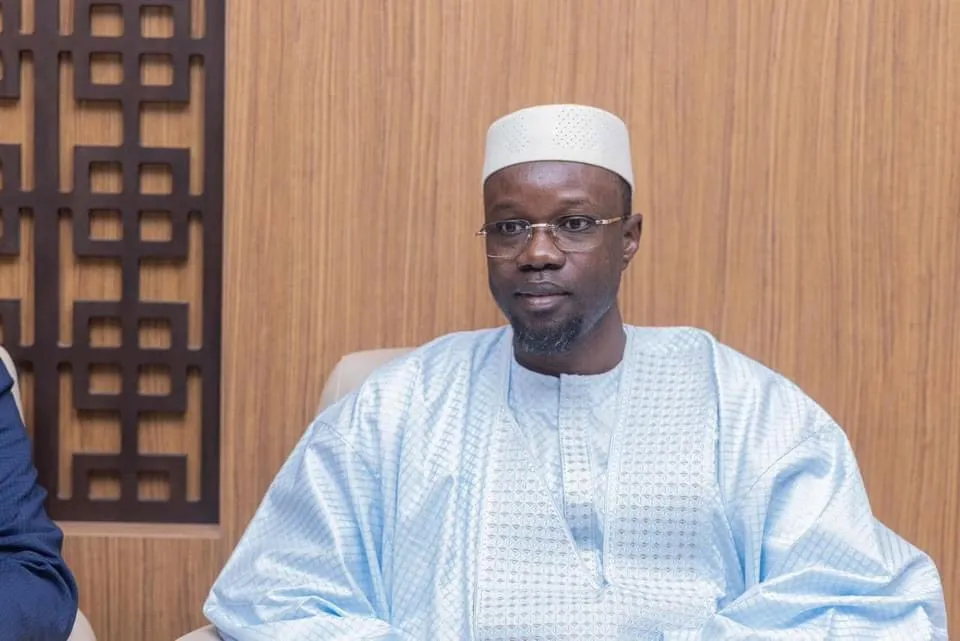
Senegal’s political landscape has undergone a significant upheaval with the recent split between President Bassirou Diomaye Faye and Prime Minister Ousmane Sonko, a partnership that lasted barely two years. The decision marks the end of a collaboration that once symbolized hope for reform in a nation known for its democratic resilience.
Observers had long viewed Senegal as a cornerstone of stability in West Africa. Now, the abrupt separation of its top leaders has cast a spotlight on the country’s evolving political dynamics and raised questions about the future of governance under Faye’s administration.
Four key factors behind the political fracture
The dissolution of this alliance did not happen overnight. Rather, it stemmed from a series of unresolved disagreements that gradually eroded trust between the two leaders. Below are the primary reasons behind their decision to go separate ways.
Diverging visions for Senegal’s economic direction
One of the most significant points of contention was the country’s economic strategy. While both leaders shared a commitment to reducing foreign dependency, their approaches differed sharply. Faye favored gradual reforms with international cooperation, whereas Sonko pushed for bolder, more autonomous policies aimed at rapid transformation.
This ideological gap widened as fiscal pressures mounted, making it increasingly difficult to reconcile their competing priorities.
Clashing priorities in governance and accountability
Accountability in public office became another battleground. Sonko, known for his anti-corruption stance, advocated for stricter oversight and immediate action against alleged malfeasance within government circles. Faye, however, sought to balance reform with political pragmatism, often prioritizing stability over swift accountability measures.
The tension between these perspectives ultimately proved unsustainable in a climate where public expectations for transparency were higher than ever.
Strategic disagreements over regional alliances
The question of Senegal’s role in regional organizations also fueled the rift. Sonko leaned toward strengthening ties with neighboring countries through alternative alliances, while Faye maintained a preference for established partnerships, particularly within the Economic Community of West African States (ECOWAS).
This divergence reflected deeper differences in how each leader envisioned Senegal’s influence on the continent.
Personal ambition and shifting political alliances
Finally, personal ambitions played a decisive role. Reports of growing ambitions within Sonko’s camp—potentially positioning him as a future presidential contender—clashed with Faye’s efforts to consolidate power under his own leadership. The resulting power struggle made collaboration increasingly untenable.
For now, Senegal enters a new phase of political uncertainty, with both leaders charting separate courses that will shape the nation’s trajectory for years to come.