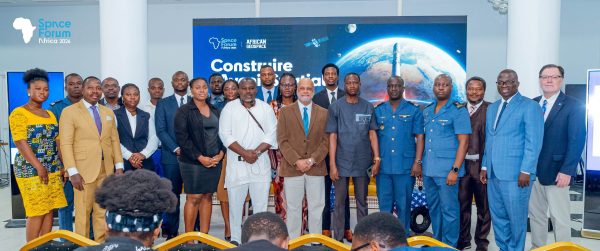
In Lomé, the Space Forum Africa 2026 shifted perspectives between July 28 and 30. Policymakers, researchers, investors, and innovators gathered to explore a groundbreaking idea: space technologies are no longer confined to Earth observation—they now drive productivity, disaster resilience, communication, and market expansion.
For decades, Africa’s space ambitions focused on distant goals: launching satellites, funding scientific programs, and nurturing talent. But in Lomé, the conversation evolved. The question shifted from whether Africa could enter space to what space could deliver for Africa today.
The U.S. Embassy in Lomé actively supported Space Forum Africa 2026, bringing together stakeholders from across the space sector to address a shared mission: harnessing space science and technology to solve pressing continental challenges.
From satellites to fields: groundbreaking applications of orbital data
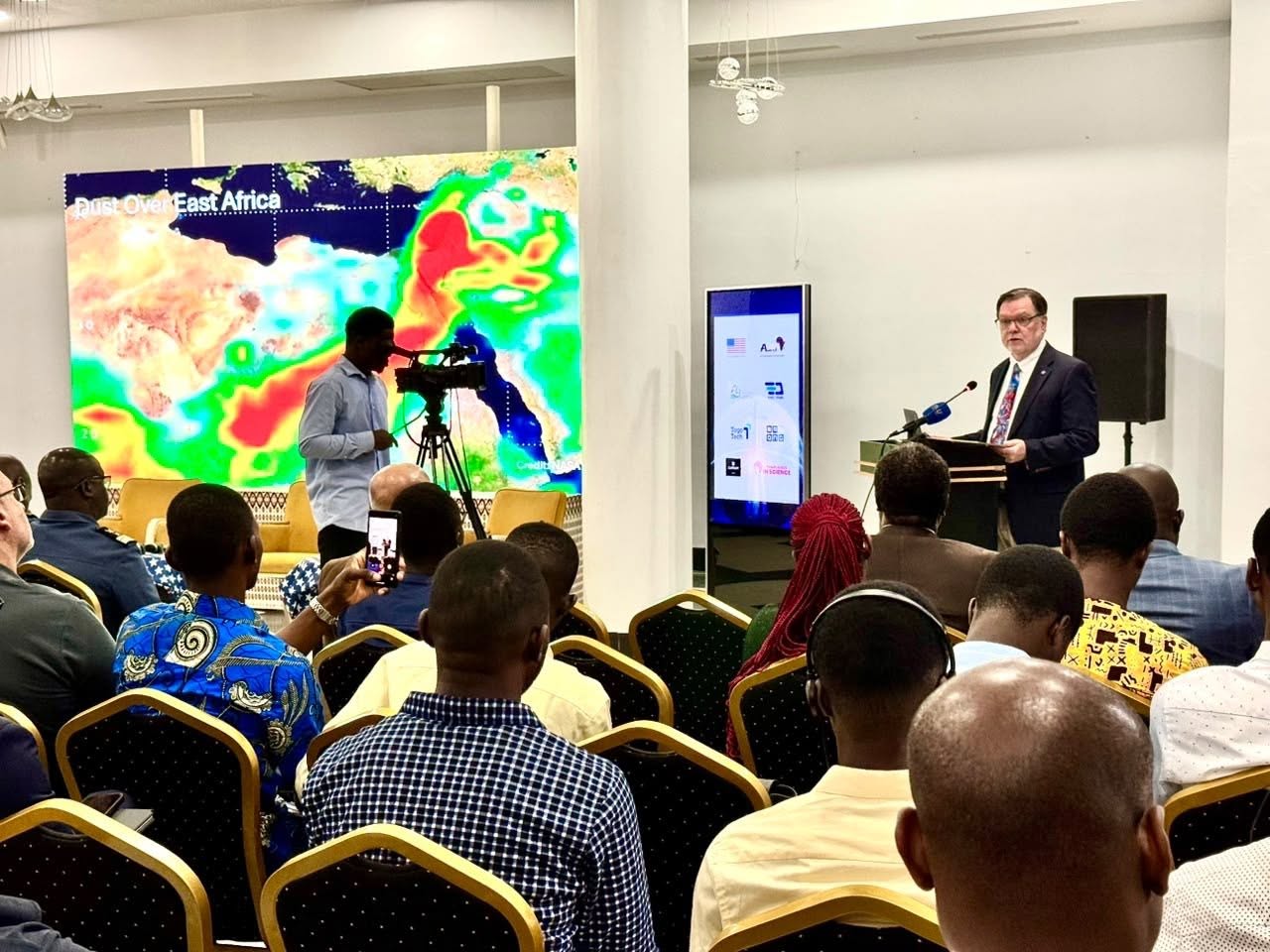
The forum’s key takeaway was a shift in scale. Space is no longer just about scientific exploration or technological prestige—it’s about practical, ground-level solutions. Satellite data now powers agriculture, climate monitoring, communications, and disaster preparedness, proving that space’s true value lies in how its data is used on Earth.
For African economies grappling with climate change, data gaps, and forecasting challenges, these technologies offer a critical advantage in decision-making. As space data becomes more accessible, it also unlocks opportunities for local tech startups to develop high-value solutions tailored to African needs.
Jim Adams and the NASA legacy shaping Africa’s space future
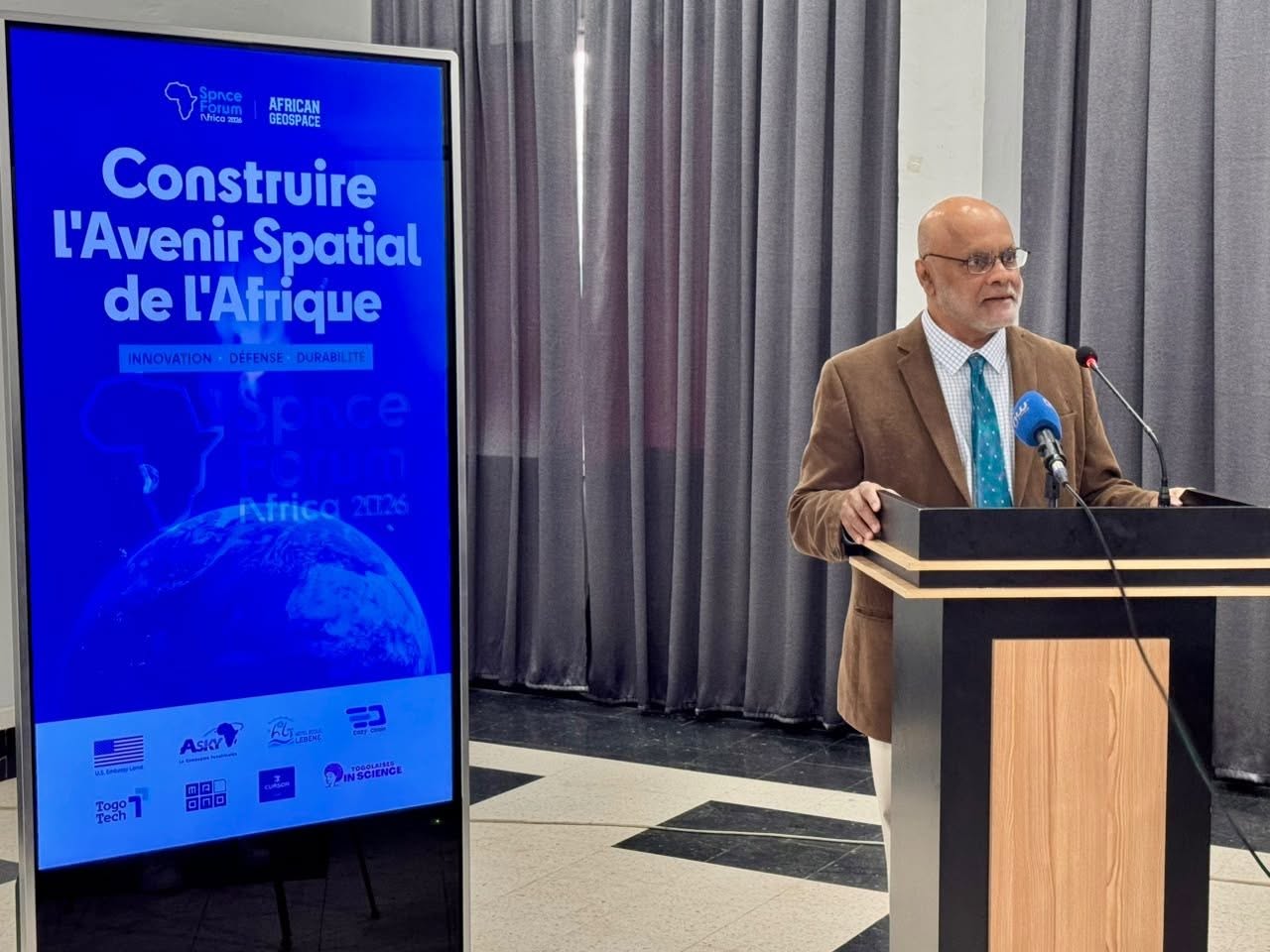
Jim Adams, a NASA veteran with over four decades of experience in space exploration and satellite technologies, joined the forum as a keynote speaker under the U.S. State Department’s Speaker Program. His insights highlighted how space capabilities are already transforming key sectors like agriculture, climate resilience, communications, and disaster management.
Beyond applications, Adams emphasized an economic imperative: who will develop tomorrow’s space technologies, and who will capture their value? This question framed the forum’s broader discussion on building Africa’s space economy.
Commercial diplomacy and partnerships: bridging African startups with global innovators
The growth of Africa’s space economy hinges not just on infrastructure or expertise, but on fostering connections between innovation ecosystems. The forum’s collaborative environment created opportunities for African institutions, entrepreneurs, and U.S. space tech firms to explore joint ventures.
This isn’t just scientific cooperation—it’s commercial diplomacy, investment, knowledge transfer, and market creation. For African entrepreneurs, the challenge is moving beyond being mere consumers of foreign technology. For international partners, the opportunity lies in discovering local talent, unmet needs, and untapped demand.
Space as an invisible backbone of economic resilience
The forum redefined Africa’s relationship with space. No longer a distant frontier, space is now an invisible infrastructure delivering tangible benefits: optimizing crop yields, predicting climate threats, enabling remote communications, and guiding disaster responses. These are not abstract concepts—they are real-world solutions reshaping lives on the continent.
Space Forum Africa 2026 in Lomé championed this shift: moving space technologies from the realm of scientific fascination to one of economic and social utility.
Washington and Lomé: expanding the circle of peaceful space innovation
The U.S. Embassy’s involvement in the forum reflects a broader commitment to fostering peaceful, responsible space innovation. As the U.S. marks 250 years of progress, its engagement in Lomé underscores a shared vision: leveraging space not just for exploration, but for sustainable development.
The future of Africa’s space sector may not be defined by rocket launches alone, but by the ability to convert satellite data into business solutions, research into enterprises, and cooperation into markets. In Lomé, the forum didn’t just look up at the sky—it revealed a new frontier of growth.




More Stories
Mali’s war of narratives: how a once-neutral news site became a megaphone for official military spin
Senegal’s palm oil revival: how Jakarta’s expertise could end a decade of stagnation
Behind the scenes: how Gabon is reshaping EU fishing talks for stronger sovereignty