The recent presidential pardon granted to several opposition figures in Chad has sparked mixed reactions across the political spectrum. While some view it as a positive step toward national reconciliation, others criticize it for falling short of full amnesty.
Who benefits from the pardon?
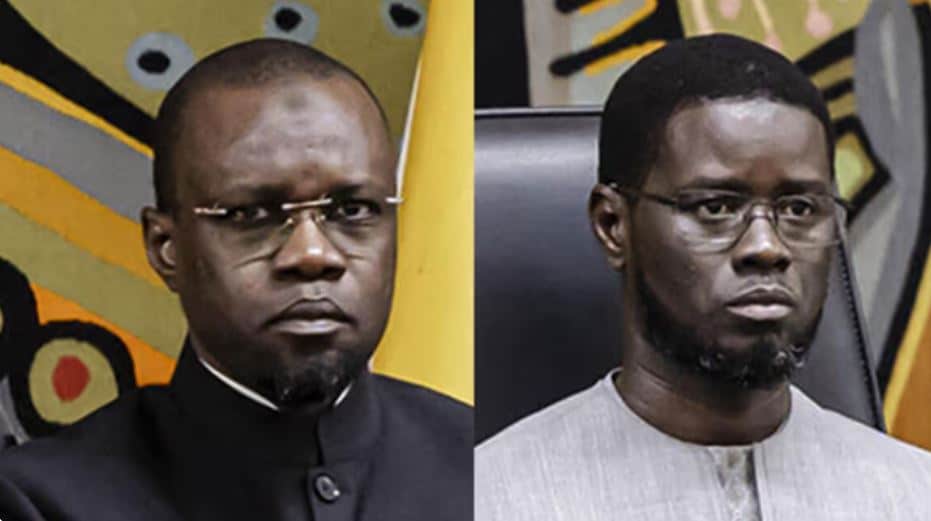
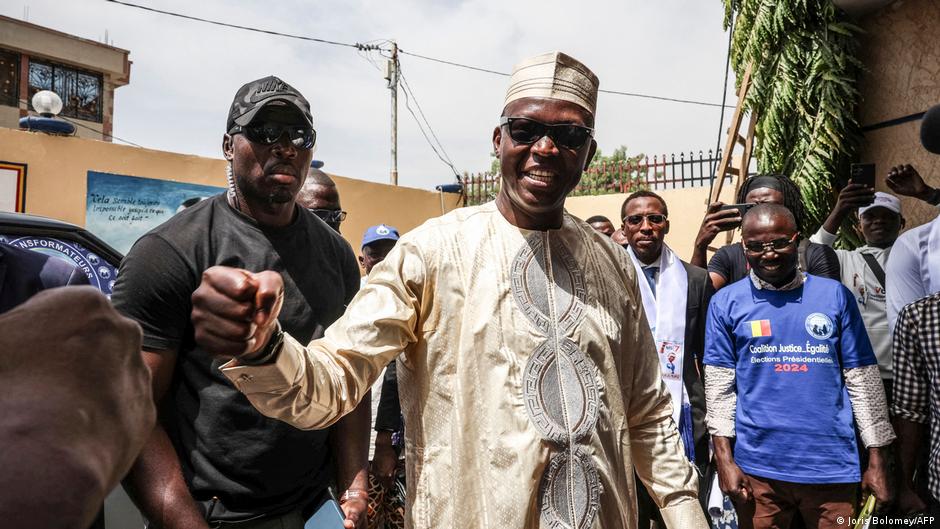
The pardon, issued by President Mahamat Idriss Déby, includes prominent opposition leaders such as former Prime Minister Succès Masra, who was serving a 20-year sentence for insurrection. Eight other leaders from the opposition coalition GCAP are also set to be released. The presidential decree clears their prison sentences, but their convictions remain on record, meaning they retain criminal records, financial penalties, and ineligibility for public office.
This distinction between pardon and amnesty is crucial, as noted by political analyst Bétinbaye Yamingué. “The president’s decision reflects public expectations, exercising his constitutional authority to release these figures. However, the true test lies in whether Parliament will take further action.”
A parliament with limited room for change
Under Chad’s legal framework, only the National Assembly can grant amnesty. Yet, the ruling party dominates the legislature, holding 124 of 188 seats. This imbalance raises questions about the feasibility of advancing a comprehensive amnesty law.
Analysts warn that while releasing opposition figures is a positive gesture, it may not suffice to restore full political participation. “True political reform requires more than freedom—it demands restoring their full political rights. Otherwise, this pardon could be seen as a tactical move rather than a genuine commitment to democracy,” Yamingué emphasized.
Divergent reactions across the political divide
The Transformers party, led by Succès Masra, has yet to issue an official statement, with a spokesperson indicating they prefer to await his release before commenting. Meanwhile, Ndolembai Sadé Njesada, vice-president of the party, praised the decision, calling it a step toward national unity and expressing hope for future dialogue.
Opposition voices, however, remain skeptical. Hissein Abdoulaye, spokesperson for GCAP, dismissed the pardon as inadequate, arguing that revoking civic and political rights alongside convictions amounts to a severe democratic setback. “Condemning leaders, then pardoning them while stripping them of their rights is a dangerous precedent,” he stated.
In contrast, the ruling Patriotic Salvation Movement (MPS) hailed the decision as a necessary measure to reunite families and restore normalcy.