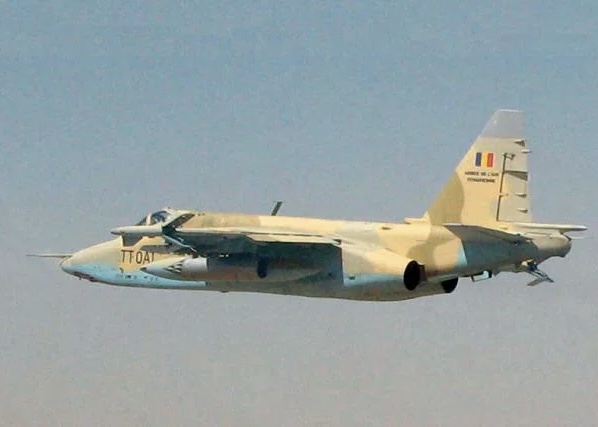
The Chadian military has launched a series of aerial strikes targeting Boko Haram strongholds on islands in Lake Chad, sparking concerns over civilian casualties. The operation, now in its third day, follows a recent armed assault by the extremist group on Chadian military positions near the Nigerian border.
Impact on local fishermen
Local fishermen along the Lake Chad basin are among those most affected. Reports from first responders and self-defense groups indicate that dozens of Nigerian fishermen are feared dead after their boats were caught in the crossfire. The vast, marshy waters of Lake Chad—shared by Nigeria, Cameroon, Niger, and Chad—have long served as a critical source of livelihood for fishing communities, many of whom have paid “taxes” to Boko Haram for access to productive fishing zones.
According to a local fishermen’s union representative, at least 40 fishermen from Nigeria’s Borno State are missing and presumed drowned following the bombings. Survivors from the fishing hub of Doron Baga and Taraba State described chaotic scenes as explosions rocked the waters around Shuwa Island—a known Boko Haram enclave and major fishing destination.
Ongoing military response and historical context
The Chadian army has not yet issued an official statement regarding civilian casualties. This isn’t the first incident of its kind. In 2024, Chadian airstrikes on the same region resulted in multiple civilian deaths, drawing criticism from human rights groups and local leaders. While the military maintains it targets only insurgent positions, eyewitnesses and survivors continue to report accidental harm to unarmed civilians.
Boko Haram’s insurgency, active since 2009, has devastated communities across the Lake Chad region, killing over 40,000 people and displacing more than two million. The conflict has spilled across borders into Niger, Cameroon, and Chad, prompting the creation of a regional task force in 2015. However, geopolitical tensions have weakened cooperation, with Niger withdrawing from the coalition in 2025.
Why the lake remains a flashpoint
- Boko Haram and ISWAP both operate in the area, using remote islands as hideouts and revenue sources.
- Local fishermen often face extortion or “protection fees” to access fishing grounds.
- Military operations frequently disrupt civilian activity, increasing risks for those earning a living on the water.