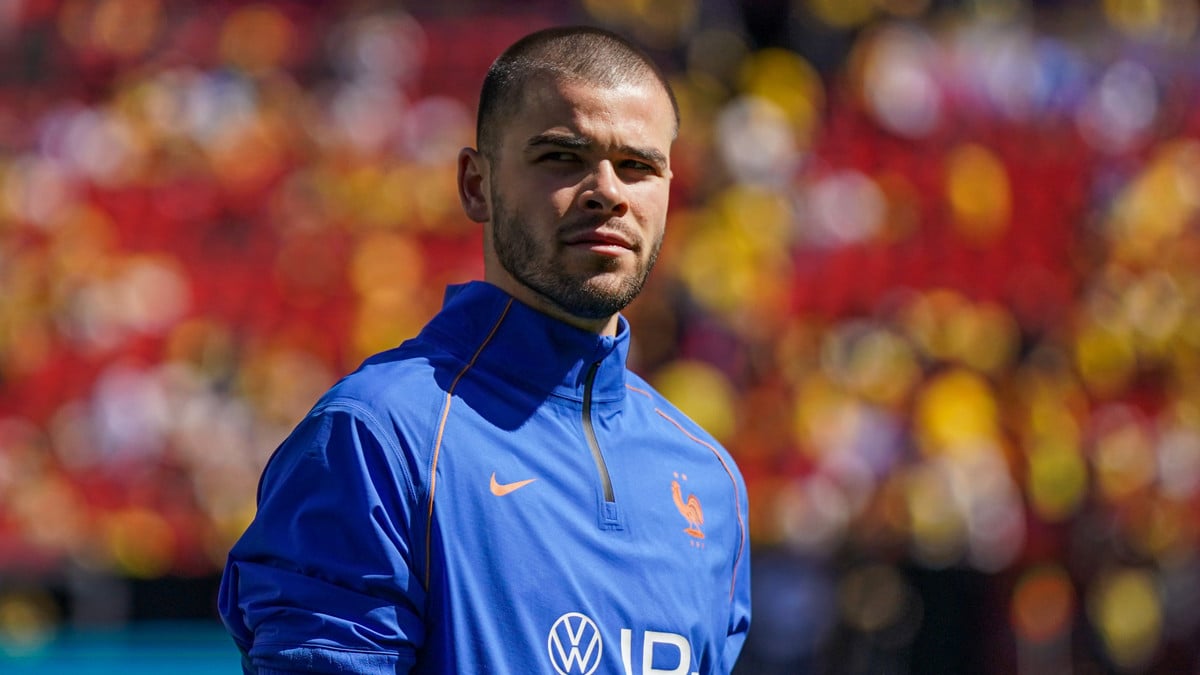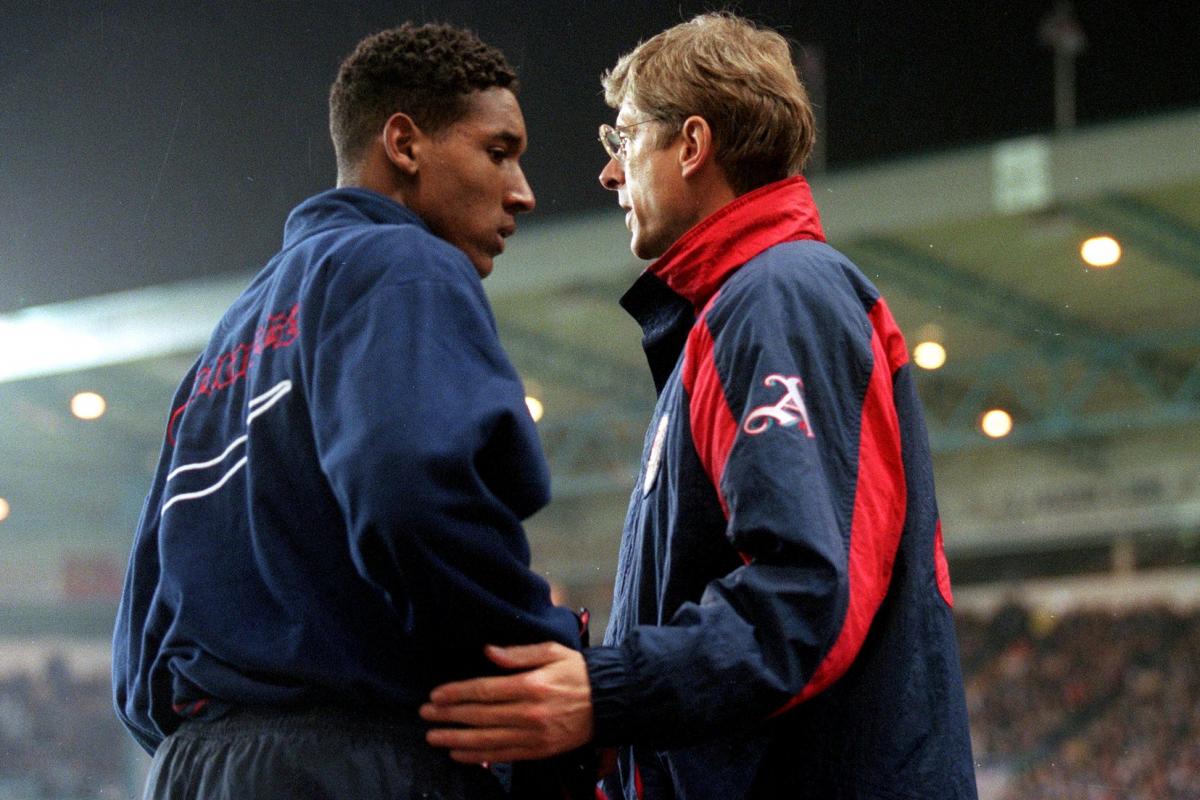
“There are no winners or losers here.” On February 22, 1997, Michel Denisot, the presiding head of PSG, attempted to maintain composure before the media while confirming the six-year transfer of his teenage prodigy, Nicolas Anelka, to Arsenal. While the Paris-based club secured approximately 5 million francs in the deal, the 17-year-old forward emerged as the true victor of the five-week standoff. By crossing the English Channel, the junior international saw his monthly earnings skyrocket from a modest 3,800 francs to a staggering 500,000 francs.
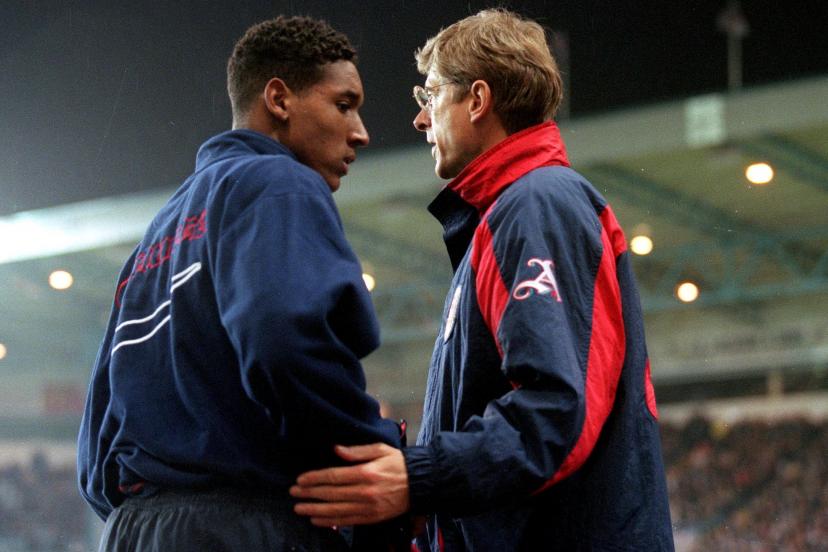
Nicolas Anelka did not hold back regarding the narrative pushed by his former employers. “The management at PSG is presenting this in a way that suits them. They claimed I would never leave and that no deal with Arsenal would be reached. Yet, here I am, moving to London. So, who really lost?” he remarked after finalizing his contract alongside his father in the British capital.
The relationship between the Trappes-born striker and his formative club had soured rapidly. After making his top-flight debut against Monaco in early 1996, Nicolas Anelka was initially hailed as a rising star. By September, his coach Ricardo had already labeled him a decisive “joker” following a brilliant performance against Lens. However, the honeymoon was brief. Despite being offered a professional contract, the young attacker felt marginalized on the bench behind stars like Rai and Leonardo. The December arrival of Cyrille Pouget on loan was the final straw, interpreted by the player as a clear lack of confidence in his potential.
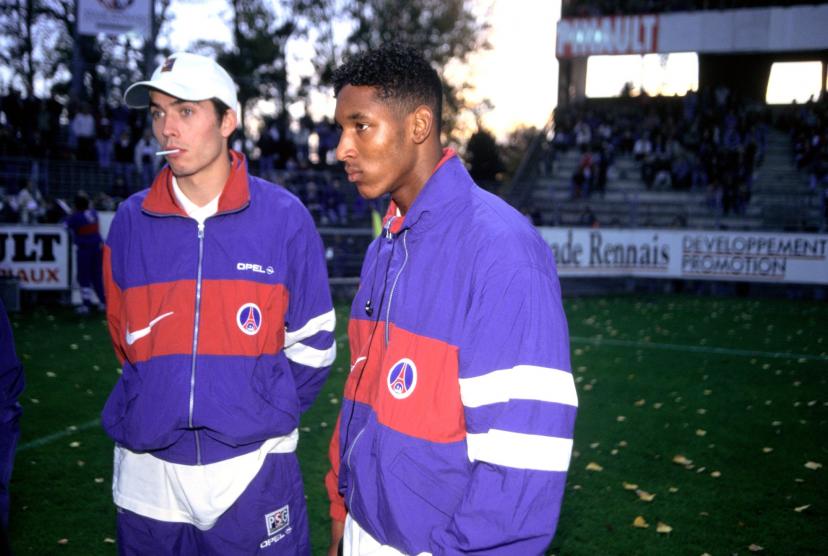
Arsène Wenger, the visionary manager of Arsenal, recognized the opportunity. During the winter break, the Nicolas Anelka camp visited London and subsequently informed PSG of the player’s intention to depart at the end of his trainee agreement in June. “PSG doesn’t trust its youth,” the striker noted at the time, citing older players who remained substitutes well into their twenties as a warning of what his future might hold.
Suspensions and legal threats in Paris
The situation escalated on January 13, when Arsenal officially notified PSG of their intent to contact the player. By the following morning, a six-year deal was signed in a Parisian hotel. The news hit the capital club like a bombshell. Viewed as a betrayal, Nicolas Anelka was immediately pulled from the squad on the day of a major European match against Juventus and sent back to his residence. Michel Denisot lambasted the player’s “disrespectful” behavior, demoting him to the youth academy and even threatening a forced loan to Servette FC.
The French football hierarchy, led by Noël Le Graët, attempted to block the move, arguing that domestic regulations forced trainees to sign their first professional deals with their training clubs. However, the 1995 Bosman ruling had already shifted the legal landscape of the continent. Arsène Wenger remained unfazed by the threats: “European laws give me peace of mind. We are acting legally. Internal French rules do not apply beyond their borders.”
Even FIFA leadership weighed in on the controversy. Sepp Blatter noted the irony of the situation, pointing out that while European clubs often scouted talent from other regions, the departure of a French youth caused an uproar. He defended the right of 16-year-olds to seek careers at major international clubs.
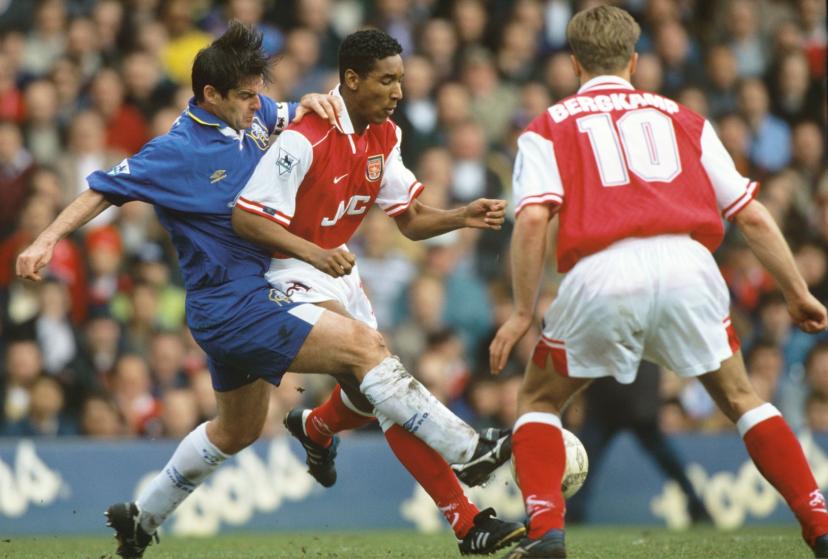
Ultimately, to avoid a protracted legal battle, PSG and Arsenal settled the transfer in late February. Reflecting on the era, Michel Denisot admitted there was a “gap in the regulations” that allowed the move to happen. “It caused a stir because a massive talent was leaving for nearly nothing at the end of his training. We wanted to protect him and help him grow, but he was determined to leave,” he explained.
Arsenal’s gamble paid off handsomely. After a period of adaptation, Nicolas Anelka became the first non-British player to win the PFA Young Player of the Year award in 1999. His time in London ended with another dramatic exit, this time to Real Madrid for a massive 220 million francs, proving just how much value had been at stake during those tense weeks in 1997.