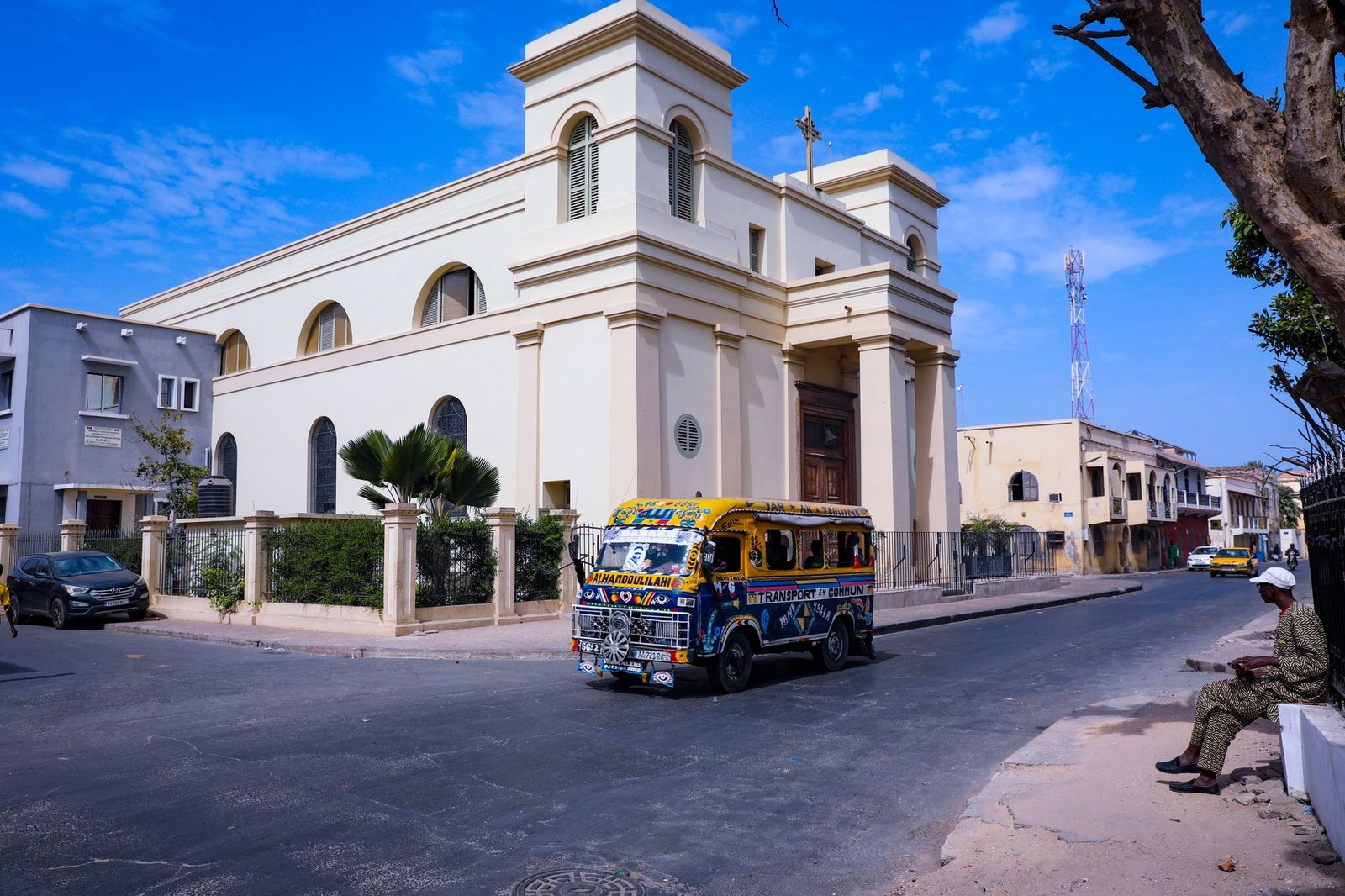
The Togolese capital, Lomé, has adopted a bold strategy in line with its neighbor Benin. The government has recently announced the complete removal of entry visa requirements for all African nationals. This landmark decision underscores a clear commitment to fostering regional integration, echoing a policy first implemented by Benin in 2016.
Lomé Embraces Cotonou’s Model of Open Borders
In the realm of international relations, successful policies often transcend national boundaries. By granting visa-free access to African passport holders, Togolese President Faure Gnassingbé has taken a decisive step. While this move carries significant symbolic weight for pan-Africanism, it also reflects a strategic alignment with a well-established doctrine in West Africa—one championed by Patrice Talon.
Upon assuming office in 2016, the Beninese leader revolutionized regional diplomacy by unilaterally abolishing visa requirements for African travelers. A decade later, the results speak for themselves: Lomé has drawn inspiration from its neighbor’s achievements to refine its own approach to national attractiveness.
Key Implications of the New Policy
The revised regulations now permit any African citizen to enter Togo with only a valid passport, eliminating the need for prior visa applications or additional entry fees.
Strategic Reasons Behind the Policy Shift
Togo’s decision to mirror Benin’s initiative is rooted in three primary objectives:
- Enhancing Logistical Leadership: With the Autonomous Port of Lomé and Asky Airlines’ regional hub, the country aims to solidify its role as West Africa’s premier transit point. Simplifying border crossings directly supports business travel and logistics.
- Revitalizing the Economy: Similar to Benin’s experience, where tourism and trade flows have flourished, Togo anticipates a surge in economic activity within its service sector.
- Advancing Genuine Regional Integration: Amidst the slow implementation of the African Continental Free Trade Area (AfCFTA), Lomé and Cotonou demonstrate that unrestricted movement of people is the cornerstone of economic unity.
Togo Joins Africa’s Most Open Nations
By adopting this policy, Togo now belongs to an exclusive group of African countries that have fully opened their borders, alongside Benin, Gambia, Seychelles, and Rwanda. While Benin positioned itself early as a hub for memorial tourism and service industries, Togo’s 2026 strategy focuses on strengthening its logistical, port, and aviation infrastructure.
By embracing the pragmatic economic model pioneered by Benin, Faure Gnassingbé has prioritized efficiency over bureaucratic hurdles. Observers will now watch closely to see if this border liberalization is accompanied by enhanced digital security measures, as seen in Benin, to reassure international partners. One certainty remains: the Abidjan-Lagos corridor has just taken a decisive step toward deeper integration.