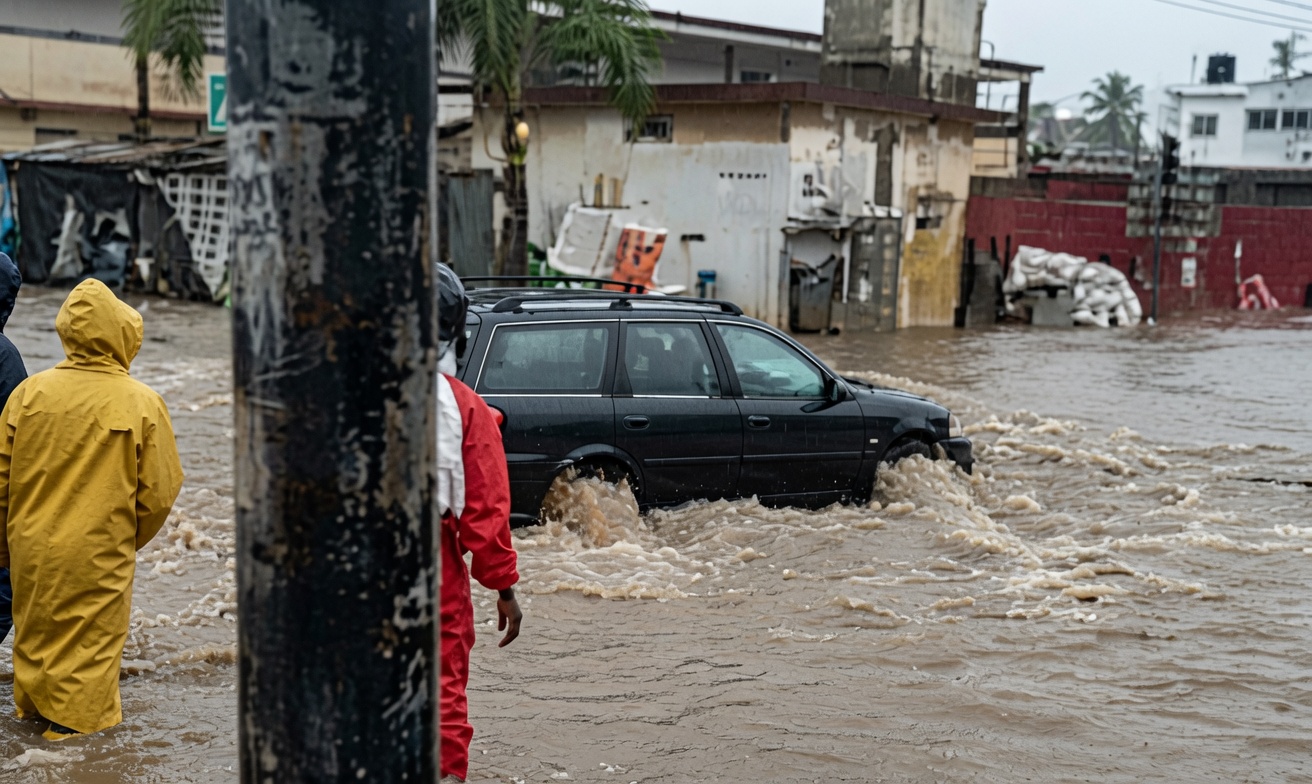
With the annual return of the rainy season, a familiar pattern re-emerges across Togo. Streets transform into torrents, residential areas become inundated, and homes are often submerged, leaving families to confront the aftermath largely unaided. For many Togolese citizens, these climatic events are no longer anomalies but have become an ingrained, almost expected, part of their reality.
Following more than six decades under the leadership of the Gnassingbé family, a significant segment of the populace believes Togo is poised for a distinct political trajectory. Despite numerous assurances made over the years, fundamental daily struggles persist: elevated unemployment rates, a relentlessly escalating cost of living, entrenched poverty, and constrained future prospects, particularly for the nation’s youth. This situation often features in African economy news.
The advent of seasonal downpours invariably intensifies scrutiny on the nation’s infrastructure. Across numerous urban districts, drainage systems prove woefully inadequate, rendering thoroughfares rapidly impassable and leading to substantial material losses from widespread flooding. A prevailing sentiment among citizens highlights a perceived deficiency in sustainable public works investments designed to mitigate these frequent calamities.
Within this challenging environment, voices from the political opposition and civil society organizations assert that the current administration disproportionately favors the interests of an elite stratum closely aligned with the regime. Concurrently, the economic hardships faced by the majority of the population continue to deepen. These groups contend that public funds should be reallocated to enhance living conditions, develop critical infrastructure, stimulate job creation, and safeguard the most vulnerable communities, rather than primarily sustaining a political apparatus established for decades. This perspective is central to ongoing African politics English discussions.
Many observers lament that this forthcoming rainy season is unlikely to deliver the anticipated respite. Instead, it may once again underscore the critical shortcomings in public policies concerning urban planning and disaster risk reduction. Without comprehensive reforms and appropriate investment, it is regrettably the most financially vulnerable households that will continue to bear the heaviest burden of these consequences.
As these multifaceted challenges compound, an increasing segment of public opinion suggests that the nation necessitates a fundamental renewal of its governance framework to more effectively address the social, economic, and environmental aspirations of the Togolese people.