Empowering midwives to transform healthcare for young women in Mali
Bamako — At just 19 years old, Kadidia from Bamako faced a daunting challenge: discussing contraception in a community where the topic remains deeply stigmatized. « I was afraid of being judged or having people in my neighborhood talk about me, » she admits. Her story reflects the harsh realities many young women in Mali confront when seeking sexual and reproductive health services.
The barriers are both cultural and systemic. In 2024, Mali recorded 583 maternal deaths, including 89 among adolescents aged 15 to 19. Despite progress, early and unintended pregnancies continue to pose significant risks. The numbers tell a story of urgency: with nearly 4.8 million women of reproductive age in 2024, only 559,493 accessed modern contraceptive methods—a modest increase from 480,682 in 2023. Access to tailored reproductive health services is not just a necessity; it’s a lifeline for young women like Kadidia, enabling them to make informed choices about their bodies and futures.
Why reproductive health services are critical for young women
Equitable access to sexual and reproductive health services empowers young women to take control of their lives. These services help reduce unintended pregnancies, lower the risks of sexually transmitted infections, and enhance overall physical and mental well-being. In a society where cultural taboos and health risks loom large, ensuring these rights is a cornerstone of public health. Yet, achieving this requires more than good intentions—it demands systemic change, comprehensive training, and community engagement.
The WHO’s role in strengthening Mali’s reproductive health framework
The World Health Organization (WHO), in partnership with key donors, is collaborating with the Malian government to implement an ambitious initiative aimed at advancing reproductive health rights and access. This program addresses critical gaps by strengthening legal frameworks, enhancing healthcare provider skills, supplying essential medical equipment, and establishing youth-friendly clinics. Additionally, it focuses on generating reliable data to inform policy decisions and improve health outcomes.
« This initiative is embedded in our national strategic plan, » explains Dr. N’Tji Keita, Head of the Maternal and Child Health Department at Mali’s National Office of Reproductive Health. « We’ve trained judges on WHO guidelines, launched a national health observatory, and bolstered the maternal death surveillance system. » The WHO’s support extends beyond technical assistance; it serves as a catalyst for coordination and supervision, enabling Mali to publish its first national bulletin on sexual and reproductive health indicators and the 2022 National Health Accounts. These tools provide invaluable insights for performance analysis and strategic decision-making.
Breaking barriers with youth-friendly healthcare initiatives
One of the program’s standout achievements is the launch of the first Mother-Child-Adolescent clinic in Sikasso, offering integrated family planning and gender-based violence support services. A mobile health team is also deployed in the humanitarian zone of Macina, bringing essential services to underserved communities. These efforts are designed to bridge the gap between healthcare providers and the most vulnerable populations, ensuring no one is left behind.
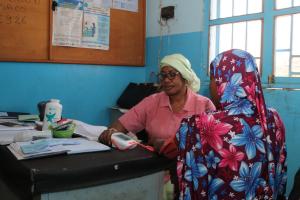
Midwives, the backbone of this transformation, have undergone rigorous training to deliver high-quality care. Aïssata, a midwife at the Kebila community health center, shares her experience: « I’ve received advanced training in antenatal care, family planning, STI/HIV/AIDS management, and medical prescriptions. This has not only improved my clinical skills but also allowed me to serve young women without judgment. »
Assetou, a mentoring midwife in Yanfolila, 160 kilometers south of Bamako, echoes this sentiment. « The training has revolutionized my approach to patient care, » she says. « I now prioritize active listening, availability, and respect for consent. » Since 2019, her center has seen a dramatic increase in service uptake among adolescents and young adults, from 2,330 to 5,121 beneficiaries in 2025.
Cultural shifts: how education and awareness are changing attitudes
The impact of these initiatives extends beyond clinical outcomes. School-based awareness campaigns, radio programs on sexual health, and provider training on empathy and consent have fostered a more open dialogue. Young women are increasingly seeking care at health centers, breaking down long-standing taboos and rebuilding trust in the healthcare system. Kadidia’s experience is a testament to this change: « The healthcare worker who attended to me made me feel safe and respected. I can confidently say these services are changing lives. To other young women, I say: don’t be afraid to seek help—these services exist to support you, » she shares.
As Mali continues to build on these advancements, the collaboration between healthcare providers, policymakers, and communities remains pivotal. By investing in midwives, expanding access to services, and challenging societal norms, Mali is paving the way for a healthier, more equitable future for its young women.