unlocking Congo’s political dialogue amid escalating challenges
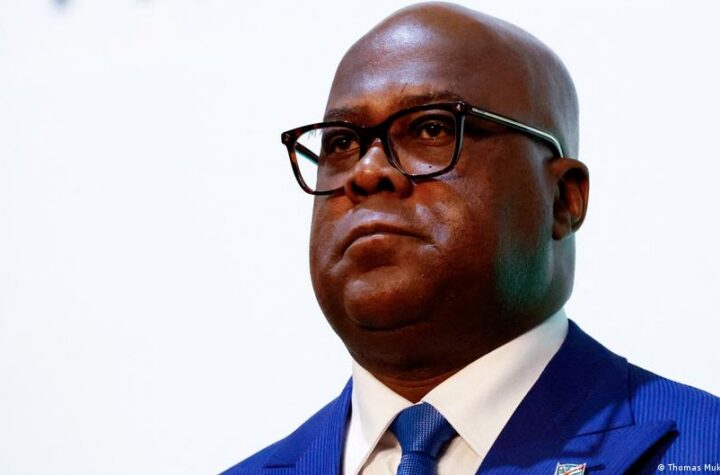
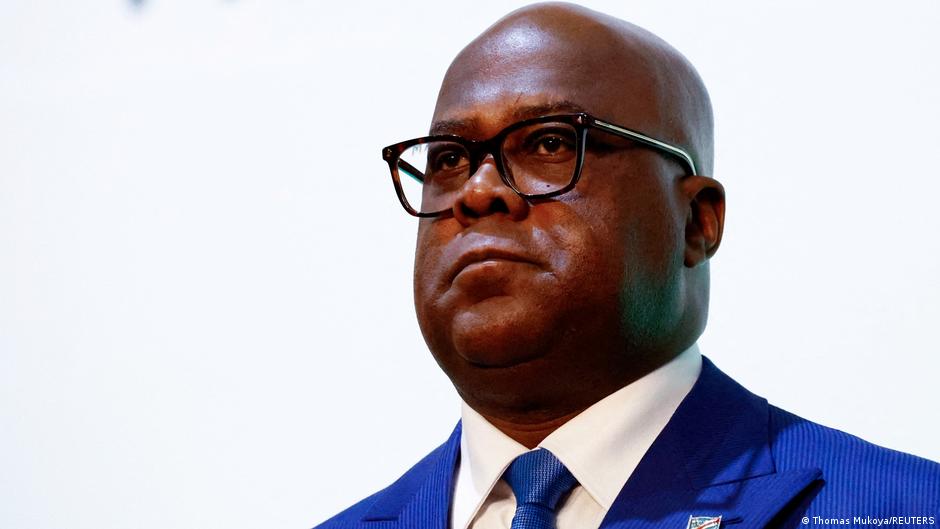
The Democratic Republic of the Congo stands at a pivotal moment as President Félix Tshisekedi has formally endorsed plans for a comprehensive national dialogue. This landmark decision, unveiled on July 17, 2026, follows a pivotal meeting with religious leaders, signaling a potential turning point in the nation’s political trajectory.
The upcoming dialogue aims to address pressing national concerns, including:
- the persistent insecurity gripping the eastern regions;
- deep-rooted political tensions;
- governance challenges;
- economic hardships and social disparities;
- essential reforms for peacebuilding and democratic consolidation.
While the initiative has been met with cautious optimism, key logistical details remain unresolved. Critical aspects such as the exact schedule, participant selection, agenda formulation, and organizational framework—expected to be outlined in a presidential decree—are still pending clarification.
why this national dialogue matters now
The urgency of this initiative stems from multiple crises converging across the country. Among the primary objectives are:
- strengthening national unity in a fractured political landscape;
- confronting the decade-long security crisis in the east;
- restoring political stability and fostering a culture of dialogue;
- uniting diverse stakeholders under a constitutional framework.
This shift in government posture reflects growing pressure from civil society, faith-based groups, and opposition factions, who have long advocated for inclusive negotiations. The coalition of opposition parties has welcomed the announcement but has set a firm deadline: unless formal invitations to the dialogue are issued before August 15, 2026, they reserve the right to mobilize public demonstrations in Kinshasa again.
During a live discussion on the implications of this initiative, panelists shared their perspectives on the feasibility and potential impact of the dialogue:
- Bob Kabamba, political science professor at the University of Liège, Belgium;
- Martin Ziguélé, former Prime Minister of the Central African Republic and president of the Central African People’s Liberation Movement (MLPC);
- Trésor Kibangula, director of the political pillar at Ebuteli, a Kinshasa- and Goma-based Congolese research institute focusing on governance, policy, and violence.
To hear the full debate, play the audio above.