
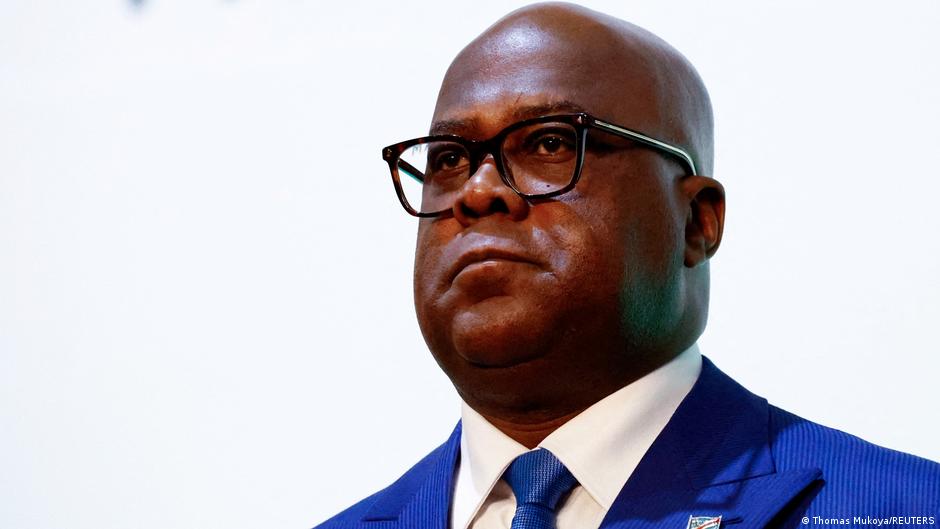
In a significant shift from previous positions, President Félix Tshisekedi of the Democratic Republic of the Congo (DRC) has endorsed plans for a nationwide, inclusive political dialogue. The announcement, made on July 17, 2026, followed consultations with religious leaders and aims to address the country’s most pressing challenges.
The dialogue is expected to tackle critical issues, including:
- the escalating insecurity in the eastern regions;
- political tensions and governance deficits;
- economic hardships and social unrest;
- essential reforms to strengthen peacebuilding and democratic governance.
Key logistical details remain pending, such as the exact schedule, participant list, agenda, and organizational framework, which will reportedly be formalized through a presidential decree.
Objectives and expectations of the national dialogue
The initiative is seen as a critical step toward restoring national unity amid persistent instability. Among its primary goals are:
- enhancing national cohesion;
- addressing the ongoing security crisis in the DRC’s eastern provinces;
- creating a more stable political environment; li>bringing together key stakeholders—within a constitutional framework—to forge a shared path forward.
After months of sustained pressure from churches, opposition groups, and civil society organizations, this move marks a notable evolution in the government’s stance. The coalition of opposition forces, which had planned protests in Kinshasa on July 22, 2026, has since postponed the demonstration in response to the announcement.
However, opposition leaders have set a firm deadline: unless the dialogue is officially convened before August 15, 2026, public mobilizations will resume. This stance underscores the urgency felt across political and civic circles to see tangible progress.
Expert perspectives on the dialogue’s potential
To explore the implications of this initiative, a panel of analysts shared their insights on the political landscape and the prospects for constructive engagement:
- Bob Kabamba, political science professor at the University of Liège (Belgium);
- Martin Ziguélé, former Prime Minister of the Central African Republic and leader of the Central African Republic Liberation Movement (MLPC);
- Trésor Kibangula, political director of Ebuteli, a Kinshasa- and Goma-based research institute focusing on governance, politics, and violence in the DRC.
Listen to the full discussion via the audio player above.

More Stories
Mali: près de 80 soldats tués dans l’attaque de Dioura
Côte d’Ivoire : le Burida prépare une distribution record de 795,4 millions FCFA
Paris FC vs Lyon: kick-off time and TV channel for the Ligue 1 matchday 4 clash