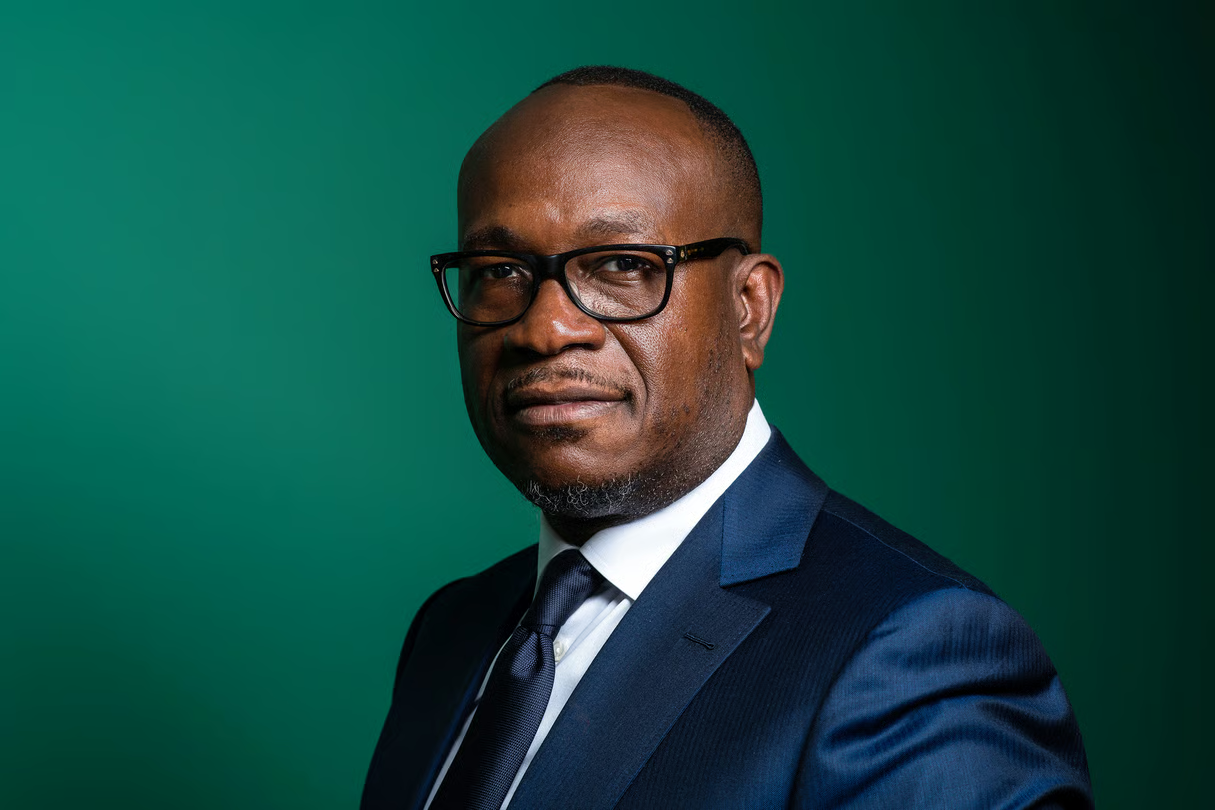
Election postponements spark fierce debate in Congo’s political landscape
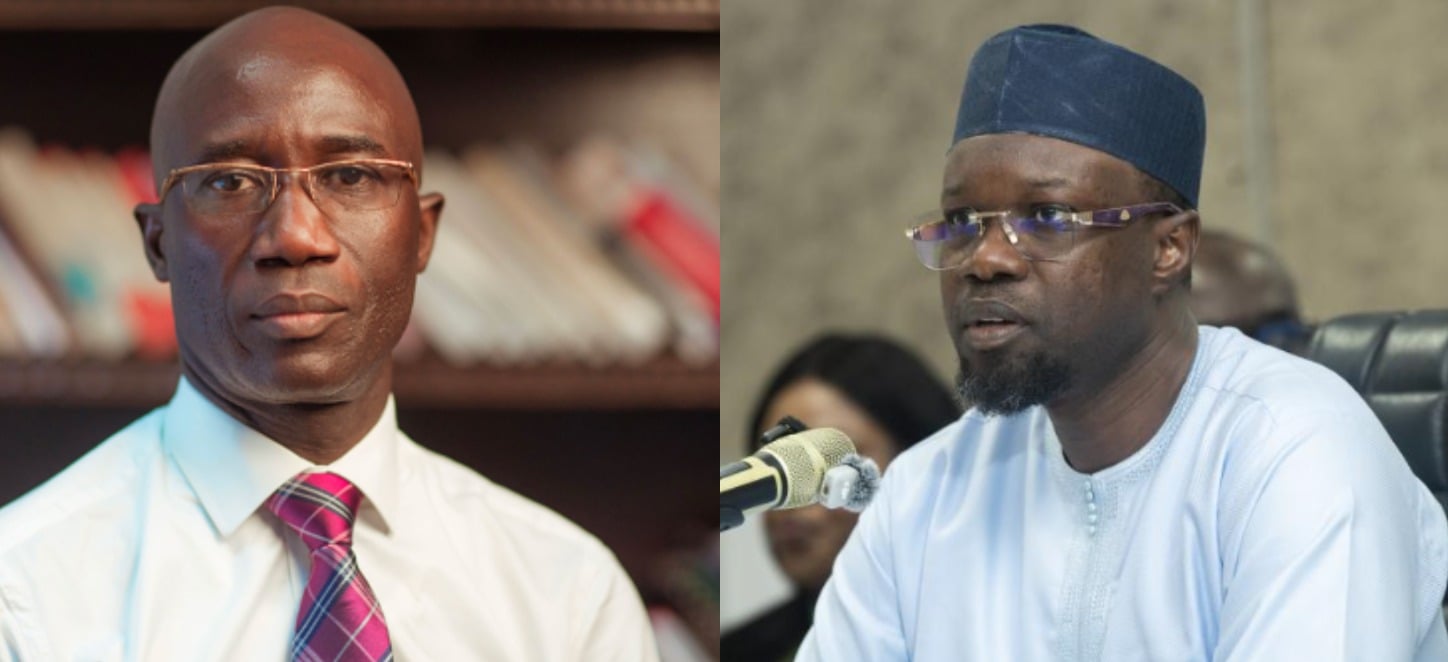
Public outrage intensifies as the Democratic Republic of Congo’s election commission confirms further delays to the presidential and legislative polls. Opposition leader Delly Sesanga has sharply criticized the government’s handling of the electoral process, warning that repeated postponements risk destabilizing the country’s fragile democratic institutions. His remarks come amid growing public skepticism and accusations that the ruling party is manipulating timelines to maintain power.
Delly Sesanga: Election delays threaten Congo’s democratic foundations
Opposition politician Delly Sesanga has issued a stark warning about the implications of postponing Congo’s elections. In a recent interview, he argued that the government’s decision to push back the electoral calendar sets a dangerous precedent, undermining public trust in the political system. “Postponing elections cannot become the government’s unspoken policy,” Sesanga declared, emphasizing that such actions erode constitutional norms and fuel instability.
Sesanga’s criticism reflects broader concerns that the delays are not merely logistical hurdles but part of a calculated strategy to delay democratic transitions and consolidate power. Political analysts suggest that the postponements disproportionately benefit incumbent leaders while sidelining opposition voices and public accountability.
Public reaction: skepticism and frustration grow
Congo’s citizens are increasingly vocal about their dissatisfaction with the election delays. Protests have erupted in several cities, with demonstrators accusing the government of deliberate obstruction to avoid a free and fair vote. Social media platforms buzz with calls for mass mobilizations, while civil society groups demand transparency and adherence to the electoral timeline.
Key grievances include:
- Violation of democratic principles: Critics argue that postponements infringe on citizens’ right to choose their leaders and weaken institutional checks on power.
- Economic uncertainty: Investors and businesses express concerns over the prolonged political uncertainty, which hampers economic growth and development.
- Social unrest: Prolonged delays risk exacerbating tensions between political factions, potentially leading to violence or instability.
Public sentiment is further fueled by allegations of electoral manipulation, with opposition figures and independent observers questioning the legitimacy of the government’s stated reasons for the delays.
What’s next for Congo’s electoral crisis?
The government has defended the postponements as necessary due to logistical challenges, including security concerns in conflict-affected regions and delays in voter registration. However, opposition leaders and international observers have dismissed these justifications as insufficient, calling for immediate action to restore confidence in the electoral process.
Pressure is mounting on President Félix Tshisekedi and his administration to clarify the timeline for the elections and take concrete steps to ensure a credible vote. Meanwhile, Delly Sesanga and other opposition figures are rallying support for legislative reforms that would prevent future delays and safeguard democratic institutions.
As Congo navigates this turbulent period, the stakes could not be higher. The outcome of the electoral crisis will shape the country’s political future and determine whether democratic principles can prevail amid growing challenges.