South Africa stands at a critical juncture as the brutal mob killing of a foreign national in Durban forces Pretoria to confront its escalating xeno-violence crisis. The African Union’s human rights body has issued an unprecedented warning, framing the incident as a potential crime against humanity and demanding immediate, decisive action from the government to halt the tide of anti-foreign violence sweeping across the country.
Durban mob attack exposes systemic failure and triggers continental alarm
In a shocking display of mob violence, a foreign national aged between 30 and 40 was beaten to death by a crowd of approximately fifty people in Durban’s city center on October 22, 2026. According to official accounts, the victim was attacked while standing near a roadside and succumbed to injuries on the scene. Authorities have yet to confirm the man’s nationality or the precise circumstances surrounding the attack, but the incident has ignited a firestorm of condemnation from human rights institutions across Africa.
The African Commission on Human and Peoples’ Rights (ACHPR) delivered a scathing rebuke in a statement issued on October 23, labeling the murder a grave violation of international law. The commission warned that the circumstances of the killing could meet the threshold of a crime against humanity—a classification reserved for widespread or systematic attacks against civilian populations. While the legal qualification remains under scrutiny, the ACHPR’s intervention underscores the severity of the crisis and the urgent need for Pretoria to address the root causes of xeno-violence.
From isolated incident to national emergency: the broader context of rising hostility
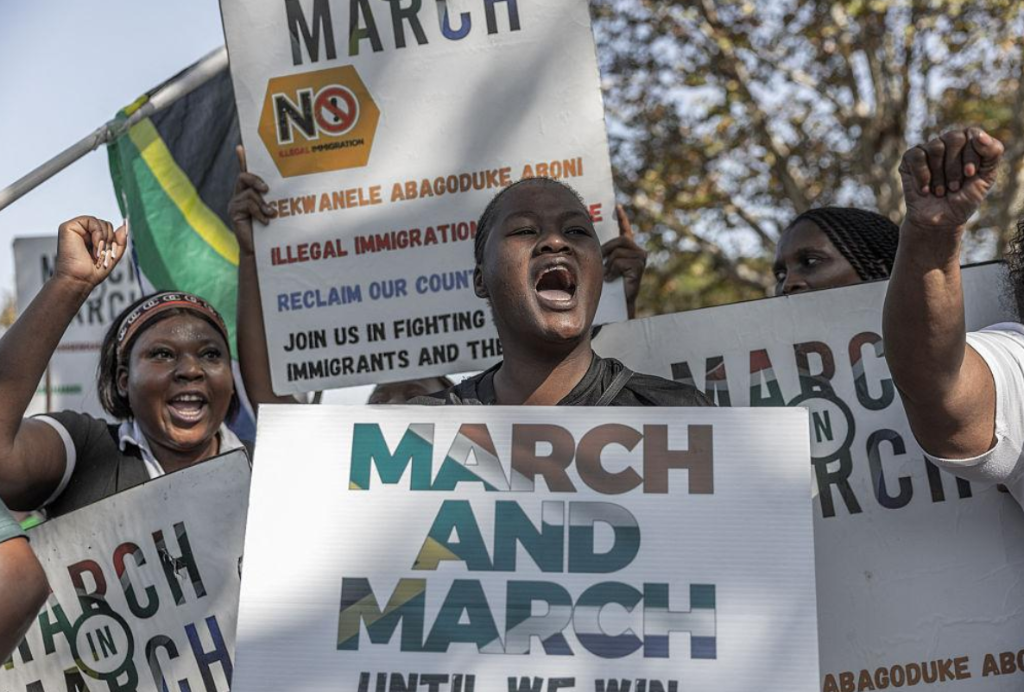
The Durban tragedy is not an isolated event but part of a disturbing pattern of anti-foreign violence that has gripped South Africa in recent months. Vigilante groups, fueled by inflammatory rhetoric against immigration, have staged protests that frequently escalate into looting, property destruction, and physical attacks on migrants. Durban, the country’s third-largest city, has emerged as a flashpoint for these tensions, with local communities bearing the brunt of the unrest.
Human rights advocates emphasize that immigration control is the sole responsibility of the state. Vigilante justice, they argue, undermines the rule of law and fosters an environment where mob violence is normalized. The ACHPR’s stance is unequivocal: South Africa must acknowledge the systemic nature of these attacks and implement robust measures to protect vulnerable populations, regardless of nationality or migration status.
Why the crime against humanity label matters
While the legal classification of the Durban killing remains under debate, the ACHPR’s warning highlights a critical turning point in the fight against xeno-violence. International law defines crimes against humanity as acts committed as part of a widespread or systematic attack directed against any civilian population. The commission’s statement signals that South Africa’s failure to curb xeno-violence could have severe legal and diplomatic repercussions, potentially exposing the government to scrutiny under global human rights frameworks.
For Pretoria, this represents more than a moral and political challenge—it is a test of its commitment to upholding constitutional values. The South African Human Rights Commission (SAHRC) has also condemned the killing, affirming that the right to life, as enshrined in the country’s constitution, applies to all individuals within its borders, irrespective of their origin or legal status.
Pretoria’s moment of reckoning: balancing immigration control and human rights
The government faces a dual imperative: addressing public concerns about irregular migration while ensuring the safety and dignity of all residents. The ACHPR has called for a swift, impartial, and transparent investigation to identify and prosecute the perpetrators. Failure to deliver justice, the commission warns, risks emboldening further acts of mob violence and eroding trust in the state’s ability to protect its people.
Human rights organizations stress that the fight against xenophobia must extend beyond law enforcement. Combating hate speech, dismantling discriminatory narratives, and fostering social cohesion are equally critical to preventing future tragedies. The Durban killing serves as a stark reminder that unchecked hostility toward foreigners can spiral into collective violence, with devastating consequences for both individuals and the nation’s social fabric.
Panafrican solidarity at a crossroads
The Durban mob killing has sent shockwaves across the continent, prompting soul-searching about the future of African unity. The continent’s history is marked by solidarity, from the anti-apartheid struggle to regional integration initiatives. Yet today, African migrants in South Africa face violence and discrimination, raising troubling questions about the continent’s commitment to mutual respect and collective progress.
The ACHPR’s intervention is a call to action—not just for Pretoria, but for all African nations. It challenges governments to confront the contradictions between panafrican ideals and the reality of xenophobia within their borders. The commission’s message is clear: protecting human life must transcend nationality, and the fight against xenophobia is a continental responsibility.
A turning point for South Africa: justice and accountability must prevail
The death of an unnamed foreign national in Durban must serve as a catalyst for change. For South Africa, this is a moment to demonstrate leadership in combating xenophobia and upholding the rule of law. The ACHPR’s warning is a wake-up call: the time for rhetoric is over. Pretoria must translate condemnation into concrete action—through rigorous investigations, prosecutions, and long-term strategies to dismantle the structures of hate that enable such violence.
The road ahead is fraught with challenges, but the stakes could not be higher. The world is watching as South Africa grapples with its demons. Will it rise to the occasion, or will the specter of mob violence continue to haunt its streets? The answer will define the nation’s future—and its place in the panafrican community.