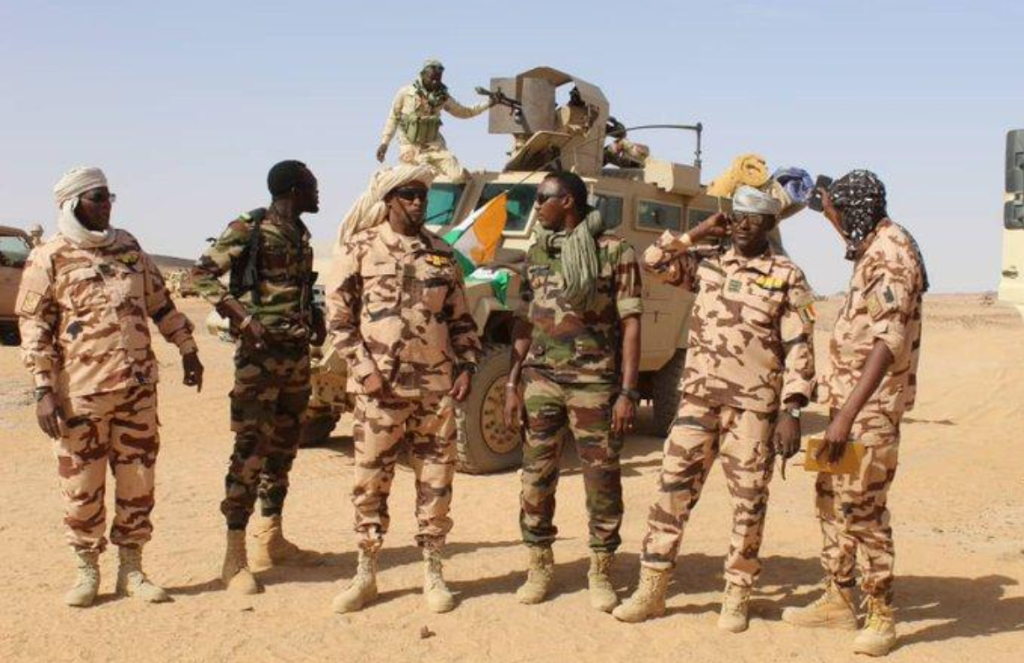
In a decisive move, Chad has categorically denied any involvement in a reported strike against Niger, marking a turning point in regional tensions. The government in N’Djamena is not only rejecting the allegations but also demanding concrete proof to substantiate the claims, setting a new tone for diplomatic accountability.
Chad’s firm denial amid rising accusations
Following public accusations that Chad conducted a military strike on Niger, the Chadian government has issued a strong rebuttal. Speaking on behalf of the administration, government spokesperson and Minister Gassim Chérif Mahamat stated unequivocally that N’Djamena had no role in any such operation. The denial isn’t just a statement—it’s a strategic response designed to neutralize the allegations and shift the burden of proof back to Niamey.
The minister emphasized that grave accusations like a cross-border military strike require more than just assertions. He called for the publication of verifiable evidence, arguing that public accusations without substantiating facts risk escalating regional instability rather than resolving it.
Demanding transparency: the need for verifiable evidence
Chad is not backing down from its position. The government insists that any serious allegation must be backed by tangible, publicly accessible evidence. This demand goes beyond rhetoric—it’s a call for transparency that could either validate the accusations or expose them as baseless.
The Chadian authorities are particularly focused on the nature, reliability, and scope of the evidence cited by Niger. They’ve stressed that without public access to these details, the accusations remain speculative, fueling tensions rather than clarifying the situation. For now, N’Djamena’s stance is clear: no involvement in any alleged strike, but full cooperation only if solid proof is presented.
What kind of proof is N’Djamena looking for?
- Technical and material evidence: This includes satellite imagery, flight logs, weapon fragments, or any forensic data linking the alleged strike to Chadian forces.
- Official statements with details: Specific timelines, locations, and methods of the alleged operation must be provided by Niger’s government to allow independent verification.
- Independent assessment: Chad wants the accusations evaluated by neutral parties or regional bodies to prevent bias from skewing the narrative.
Security concerns take center stage in Chad’s response
While rejecting the strike allegations, N’Djamena has also drawn attention to a longstanding security issue: rebel groups operating from Niger into Chad. The government claims it has repeatedly alerted Niamey over the past four years about armed Chadian rebel factions using Nigerien territory as a base for attacks.
These repeated warnings, according to Chadian officials, were aimed at alerting Niger to threats that could destabilize both nations. By raising this issue now, Chad appears to be reframing the conversation—shifting focus from unproven strike accusations to documented security threats that demand joint action.
However, it’s important to distinguish between official statements and independently verified facts. While Chad’s concerns about rebel activity may be valid, the government must also substantiate these claims with evidence if they are to carry weight in diplomatic discussions.
Preventing escalation: the path forward for Chad and Niger
With accusations flying and no clear resolution in sight, the risk of further deterioration in Chad-Niger relations looms large. Unverified claims, especially those involving military action, can quickly escalate into full-blown crises, particularly in a region where security threats are already volatile.
For Chad, the priority now is to maintain diplomatic pressure while avoiding unnecessary confrontation. The government’s strategy hinges on two pillars: rejecting the allegations outright and demanding proof, while simultaneously highlighting its own security concerns to foster a more balanced dialogue.
The ball is now in Niger’s court. Will the authorities provide the requested evidence? And if they do, how will Chad respond? The answers to these questions will determine whether this dispute becomes a full-blown crisis or a turning point toward greater transparency and cooperation between the two neighbors.
As the situation unfolds, one thing remains certain: trust between Chad and Niger will hinge on the strength of the evidence presented—and the willingness of both governments to prioritize facts over rhetoric.