
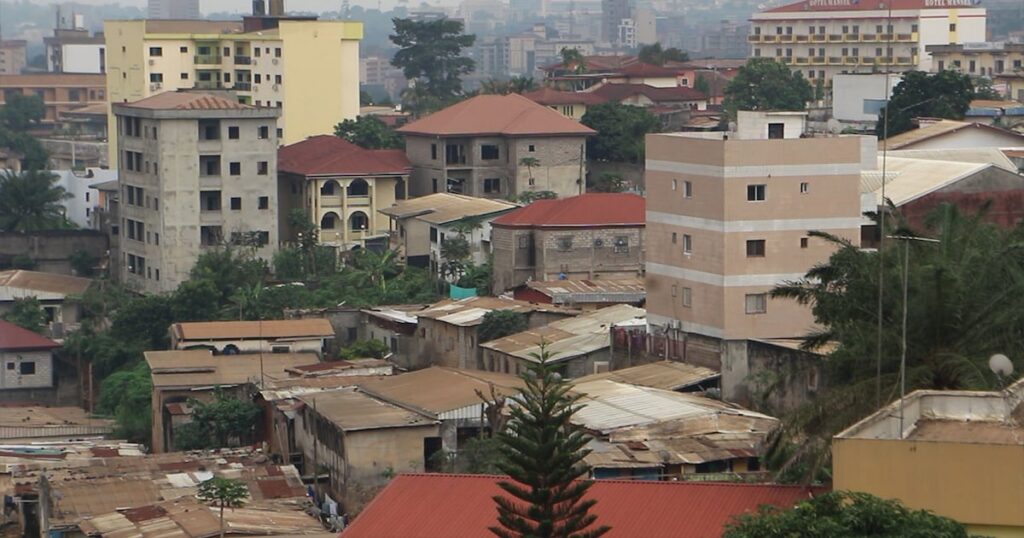
«Yaoundé has transformed dramatically over the past two decades,» reflects a lifelong resident of Cameroon’s political capital. «The city of my youth, once confined to the seven hills, now stretches far beyond its traditional boundaries. I welcome this growth, though it demands careful planning.» The words belong to a 90-year-old native who has witnessed firsthand the evolution from a modest settlement to a bustling metropolis.
«In the past, the urban core centered around Atemengué plateau, with only modest expansion toward districts like Mokolo and Nlong-Kak,» he recalls. «The rest of the area remained semi-rural, dotted with farmlands and scattered homes.»
Today, Yaoundé’s relentless expansion attracts thousands of new residents annually, swelling its population and absorbing once-independent localities into the city’s fabric. This rapid urban sprawl presents both opportunities and challenges for city planners tasked with shaping its future.
The city’s growth has sparked debates among urbanists like Blaise Feugang, a regional delegate for the Ministry of Housing and Urban Development in Nyong et So’o. «In a city like Yaoundé, vertical construction offers a smarter path forward than horizontal expansion,» he argues. «Building upward reduces infrastructure costs and allows for more efficient service delivery. Well-designed high-rises also enhance a city’s aesthetic appeal.»
Many experts agree that Yaoundé’s development must prioritize vertical growth to meet international urban standards. Rather than merely expanding outward, the focus should shift toward improving living conditions within existing neighborhoods—ensuring every family has access to safe, dignified housing.




More Stories
Is Chad truly heading towards political appeasement?
Bradley Barcola will adapt faster than Florian Wirtz at Liverpool, says Jermaine Pennant
Togo eyes nuclear power to secure future energy sovereignty