
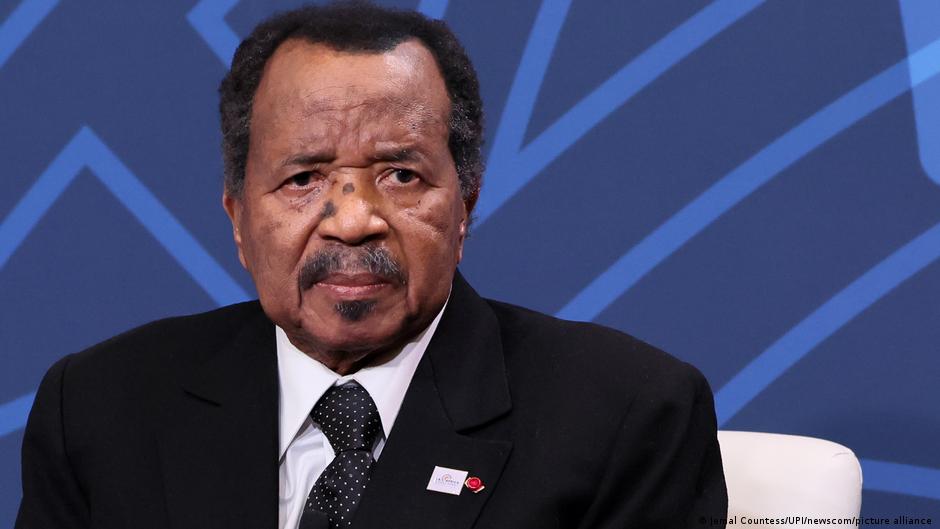
Cameroon’s political climate heats up over criticism of President Biya
The recent six-month prison sentence handed to internet user Patrick Mengue for contempt of President Paul Biya has reignited discussions about the boundaries of free speech in Cameroon. This legal move, based on the Cameroonian Penal Code, has drawn sharp criticism from human rights advocates who argue it sets a dangerous precedent for silencing dissent.
The case revolves around a social media post that authorities interpreted as an insult against the Head of State. While the government maintains this falls under existing laws designed to protect institutions and public order, critics see it as an overreach that stifles political expression.
“There is no ambiguity in this ruling—it’s a strict application of the law,” stated Batang Kolon, a prominent lawyer in Cameroon. “What’s troubling is that a simple prayer—now deemed prohibited—has led to a conviction. This sends a chilling message.”
The timing of Mengue’s conviction coincides with ongoing speculation about President Biya’s health, as his prolonged absence from public view fuels unanswered questions. No official medical updates have been provided, leaving citizens and observers to speculate about his condition.
Wider crackdown on dissenting voices
Mengue’s case is not an isolated incident. In 2017, writer and academic Patrice Nganang was arrested following his outspoken views on the Anglophone crisis and charged with contempt of the President. Similarly, activist Sébastien Ebala faced detention in 2019 after publishing critical posts about Paul Biya. A decade earlier, journalist Jean Bosco Talla received a suspended one-year prison sentence and a hefty fine for publishing a rumor about the Head of State.
These recurring cases highlight what human rights organizations describe as a systematic use of legal action against critics. Cyrille Rolande Bechon, President of the NGO Les Nouveaux Droits de l’Homme, condemned Mengue’s conviction as “an unjust ruling that silences political discourse.”
Government officials, however, insist that these prosecutions are necessary to uphold institutional integrity and public order. Yet, in a climate where public skepticism about the President’s health persists, the ruling has amplified concerns about the erosion of free expression in Cameroon.
What’s next for Cameroon’s political landscape?
As questions linger about President Biya’s well-being, the legal pressure on critics shows no sign of easing. The debate over free speech versus state control continues to divide opinion, with human rights groups warning of further restrictions. Meanwhile, the government maintains that its actions are rooted in the protection of national stability and respect for leadership.
The coming months will reveal whether Cameroon can strike a balance between safeguarding institutions and preserving the fundamental right to dissent.


More Stories
Is Chad truly heading towards political appeasement?
Bradley Barcola will adapt faster than Florian Wirtz at Liverpool, says Jermaine Pennant
Togo eyes nuclear power to secure future energy sovereignty