Sénégal: a decisive political showdown between Diomaye Faye and Sonko
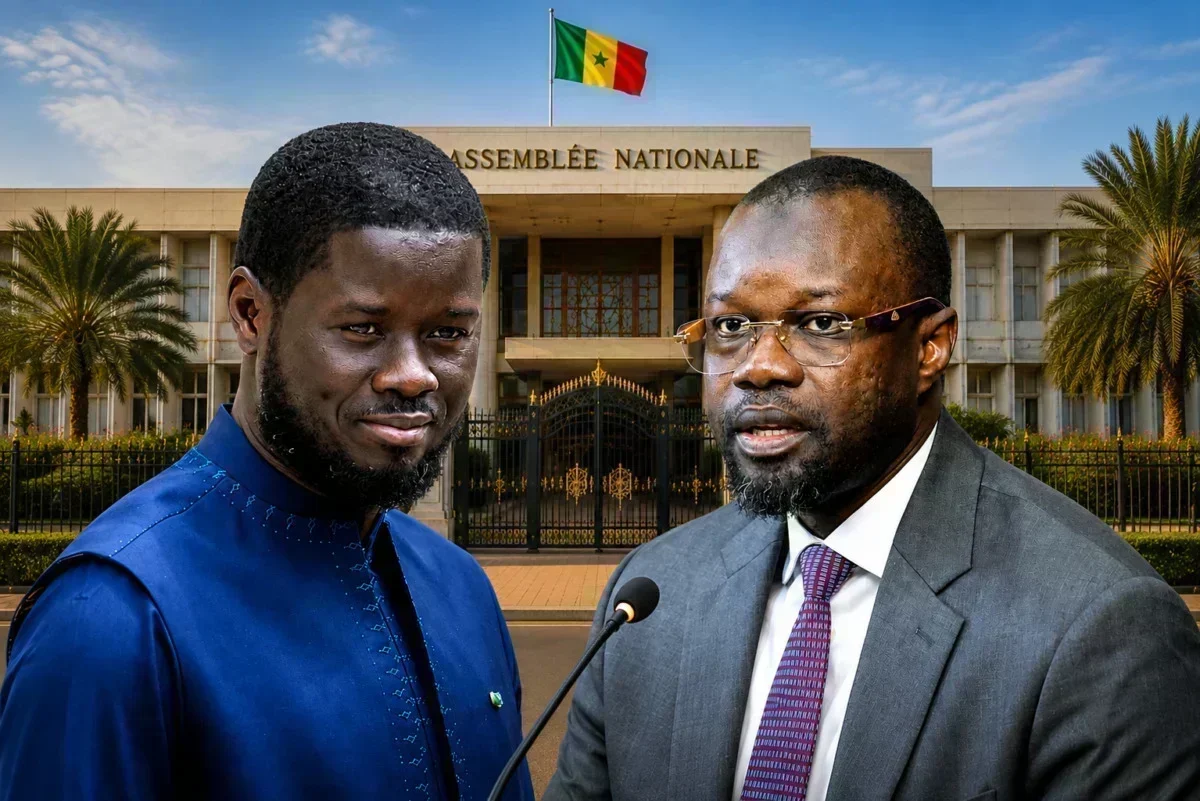
The very fabric of governance in the country is being tested as parliamentary power collides with presidential authority.
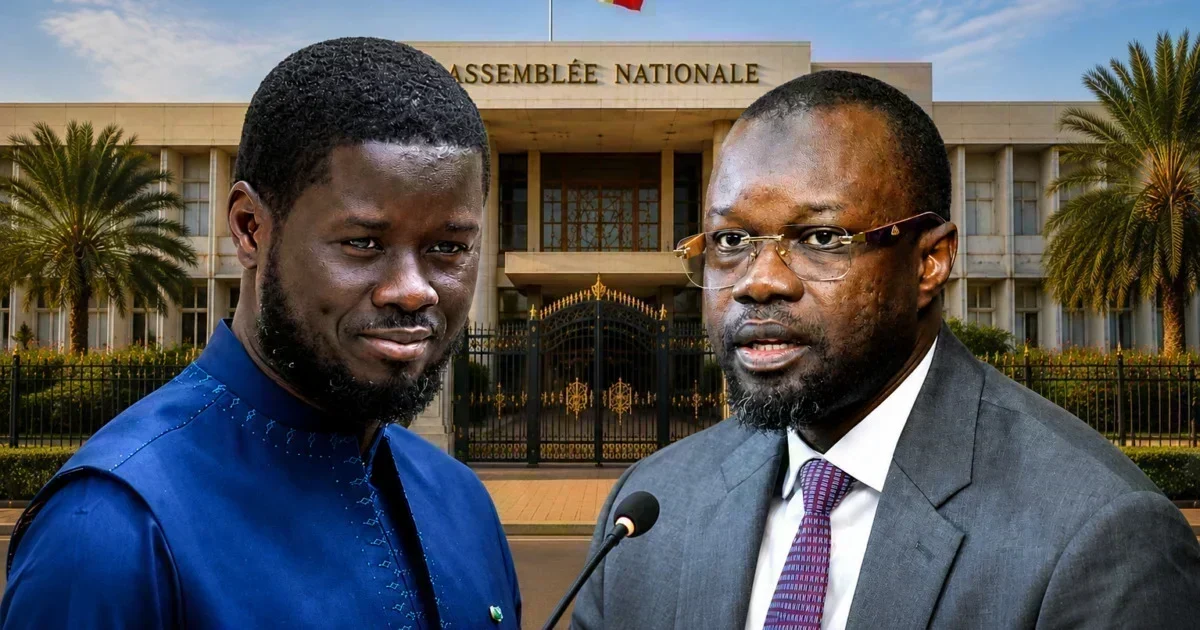
Political alliances are as fragile as they are powerful. Yesterday’s allies can become today’s adversaries when power, its privileges, and the ambitions it breeds enter the equation. The relationship between President Bassirou Diomaye Faye and his former prime minister Ousmane Sonko is a case in point. Once united in adversity, the two now find themselves in a high-stakes game where every statement is parsed, every decision scrutinized, and every move could escalate into an institutional tug-of-war.
The convening of this extraordinary session of the National Assembly arrives against a backdrop of heightened political tension. The parliamentary majority, firmly aligned with Pastef, wields considerable influence. Its use of power in relation to the executive raises a critical question: how far can parliamentary authority extend when it seeks to constrain the choices of the president of the Republic?
Legality versus legitimacy: where the line blurs
The tension between legality and legitimacy is where the real discomfort begins. A majority may be legally justified in exercising its prerogatives, but the legal exercise of power should never come at the cost of institutional stability. Far worse, it must never embed the nation in a cycle of perpetual confrontation between its highest institutions. Senegal does not need another power struggle at the summit. What it needs is stability, clarity, and institutions resilient enough to withstand personal rivalries.
Behind the unfolding drama between Diomaye and Sonko lies a deeper concern: the very survival of the Republic. The most troubling outcome would be for political rivalry to eclipse the public interest, reducing governance to a zero-sum game of egos and ambitions.
President Bassirou Diomaye Faye was elected by universal suffrage for a five-year term. Three years remain in which to fulfill the mandate entrusted to him by the Senegalese people. This democratic reality demands a simple principle from all actors—majority and opposition alike: contestation, criticism, oversight, and even opposition are permissible, but never at the expense of turning institutions into battlegrounds.
The risks of a permanent political crisis
Today’s developments must be viewed with gravity. The issue is not merely who will prevail in this latest confrontation. The greater risk is that Senegal could drift into a state of chronic political crisis, where each institution vies to outmaneuver the other.
Political friendships may fracture. Alliances may dissolve. Ambitions may clash. But the Republic must endure. The urgent task today is not to reconcile two individuals, but to shield the Republic from the fallout of their divergent agendas.
Diomaye and Sonko may chart different political paths. They may even engage in a power struggle. Yet their disagreements must never become those of the State itself, nor jeopardize the three remaining years of the elected president’s mandate.
The Senegalese people deserve better than another chapter in the graveyard of political friendships. They deserve institutions that serve the legitimacy of the ballot box, and leaders who understand that the Republic is greater than any one person.