In the heart of Cotonou, the startup SSaFE is redefining the boundaries of technological innovation. Led by chemical engineer Marielle Agbahoungbata, a specialized “filtering robot” enhanced by artificial intelligence is set to turn contaminated water into a vital resource, all while communicating in regional dialects.
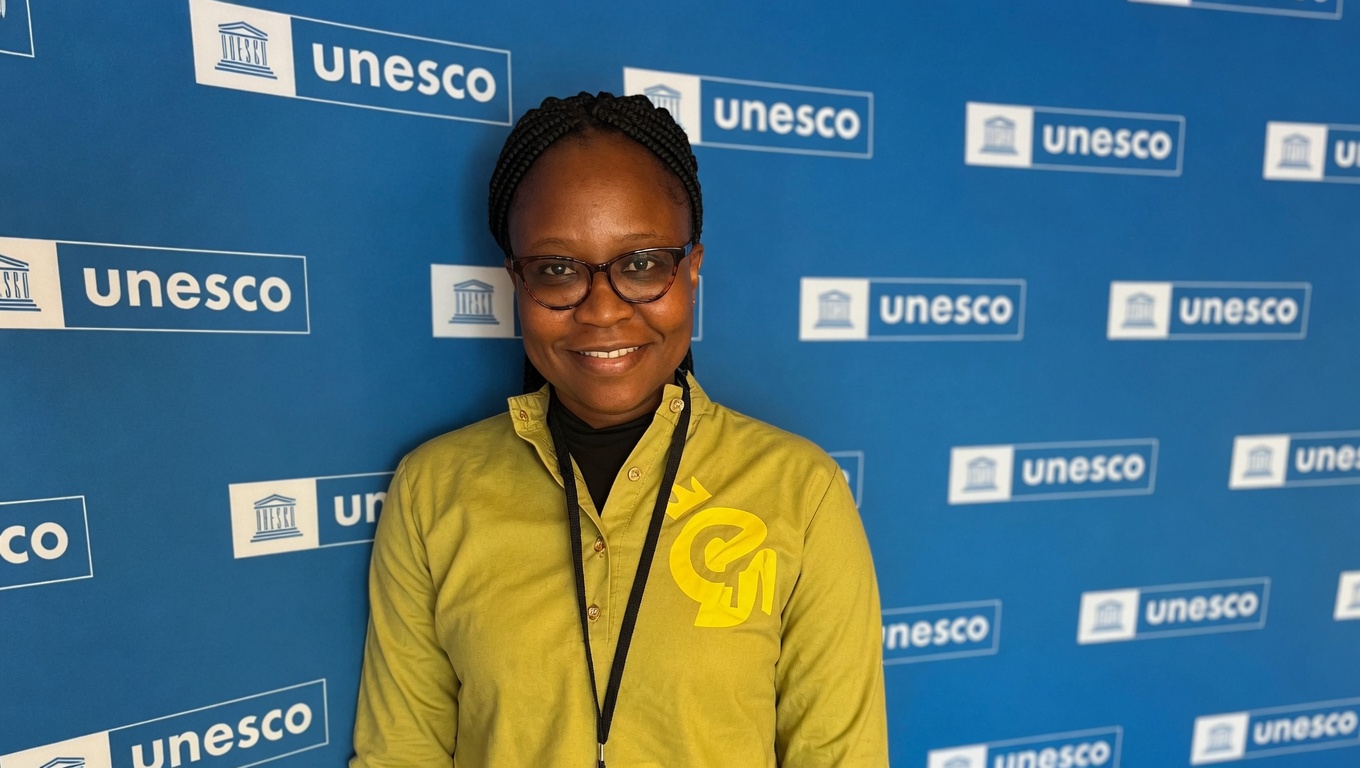
During a presentation at UNESCO in Paris, Marielle Agbahoungbata captivated her audience. Moving beyond theoretical tech discussions, she introduced a practical answer to her nation’s challenges: a machine capable of both evaluating water quality and autonomously determining the most effective treatment method.
A digital brain for pure water
Known as Watt Air, this device functions as a portable laboratory. Using integrated artificial intelligence, it assesses detected pollutants to decide the water’s best use—whether for crop irrigation, household chores, or human consumption.
“The robot optimizes both time and energy. The AI calculates the exact amount of reagents required with surgical precision, ensuring the resource is managed efficiently,” explains the founder.
In an era of increasing water scarcity and rising costs, this technological leap helps prevent waste and maximizes every available drop.
Overcoming literacy barriers through voice
The true genius of SSaFE lies in its accessibility. The innovation isn’t just for experts; it is designed for everyday people in rural areas. The robot features a multilingual voice assistant that supports languages such as Fon, Bambara, Swahili, and Wolof.
This allows a woman in a remote village, who may not have had access to formal education, to interact with the device to recycle laundry water. “She can process water at home without needing a school background,” Marielle Agbahoungbata notes. This approach ensures that technology adapts to the user, rather than forcing the user to adapt to the machine.
Sèmè City: A hub for excellence
The project was developed within Sèmè City, the premier innovation hub in Cotonou. Thierry d’Almeida, the center’s research director, believes that the collaboration between mathematicians and chemists is essential for solving local problems.
Backed by a $30,000 grant from UNESCO, the Watt Air project demonstrates that African challenges are often best met with solutions born on the continent, rooted in a deep understanding of local realities.
Looking toward 2027
While the robot is currently in the prototype phase, the objective is clear: a full launch by 2027. SSaFE is now actively seeking partners and investors to transition from the lab to the home.
Beyond the technical achievement, Marielle Agbahoungbata emphasizes a fundamental truth: technology only holds value when it saves time, protects health, and ensures that no one is left behind, regardless of their language or education.