massacre in Doungouro: when protectors become killers
On a quiet market morning in Doungouro, a village tucked in the Tillabéri region of Niger, the arrival of armed men on roaring motorcycles shattered the peace. Members of the Islamic State in the Greater Sahara (ISGS) stormed the weekly market, leaving four civilians dead in their wake. They seized livestock and vanished toward the Mali border, confirming once again that the volatile tri-border zone remains a hotspot for insecurity despite government assurances.
from response to tragedy: the VDP’s deadly rampage
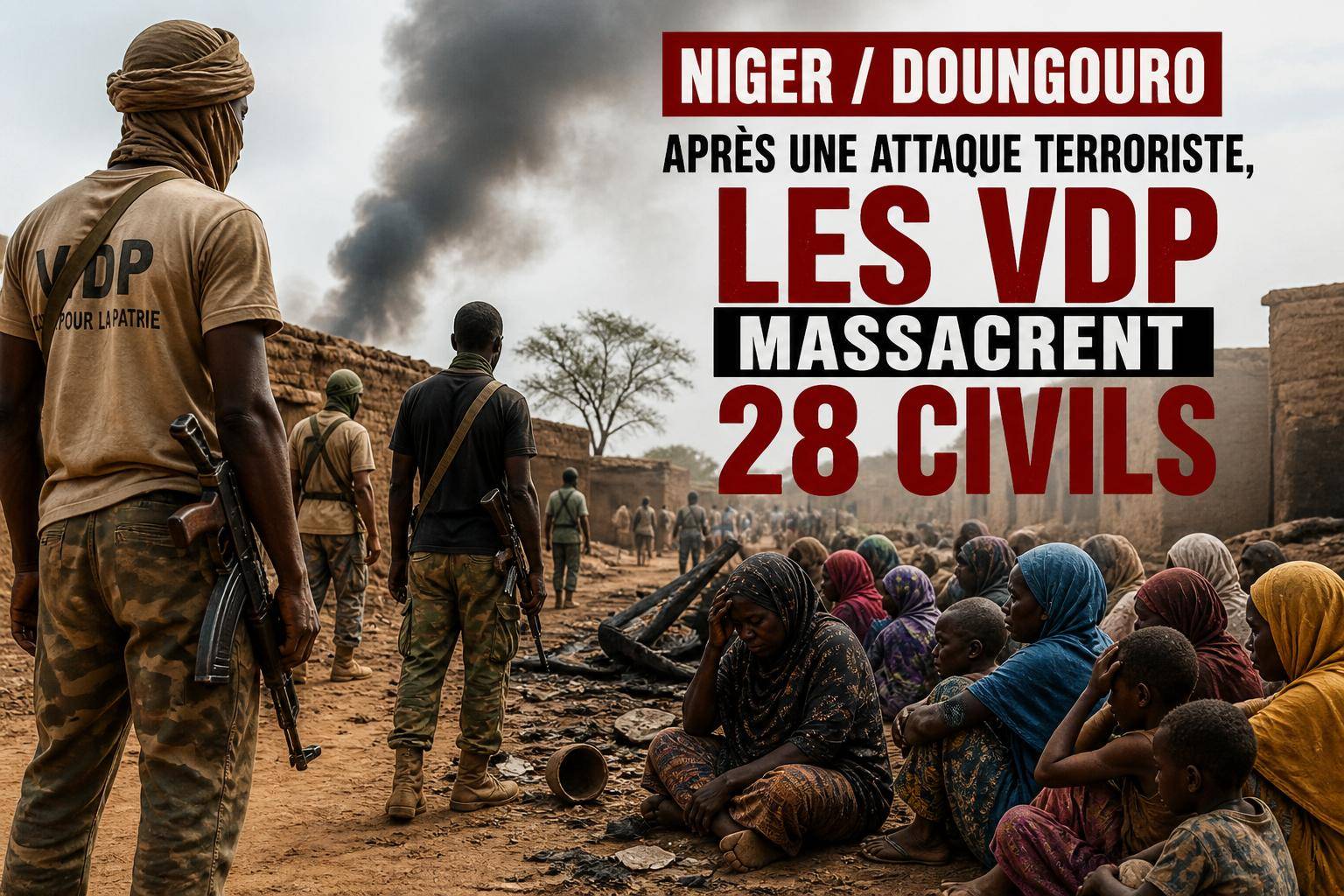
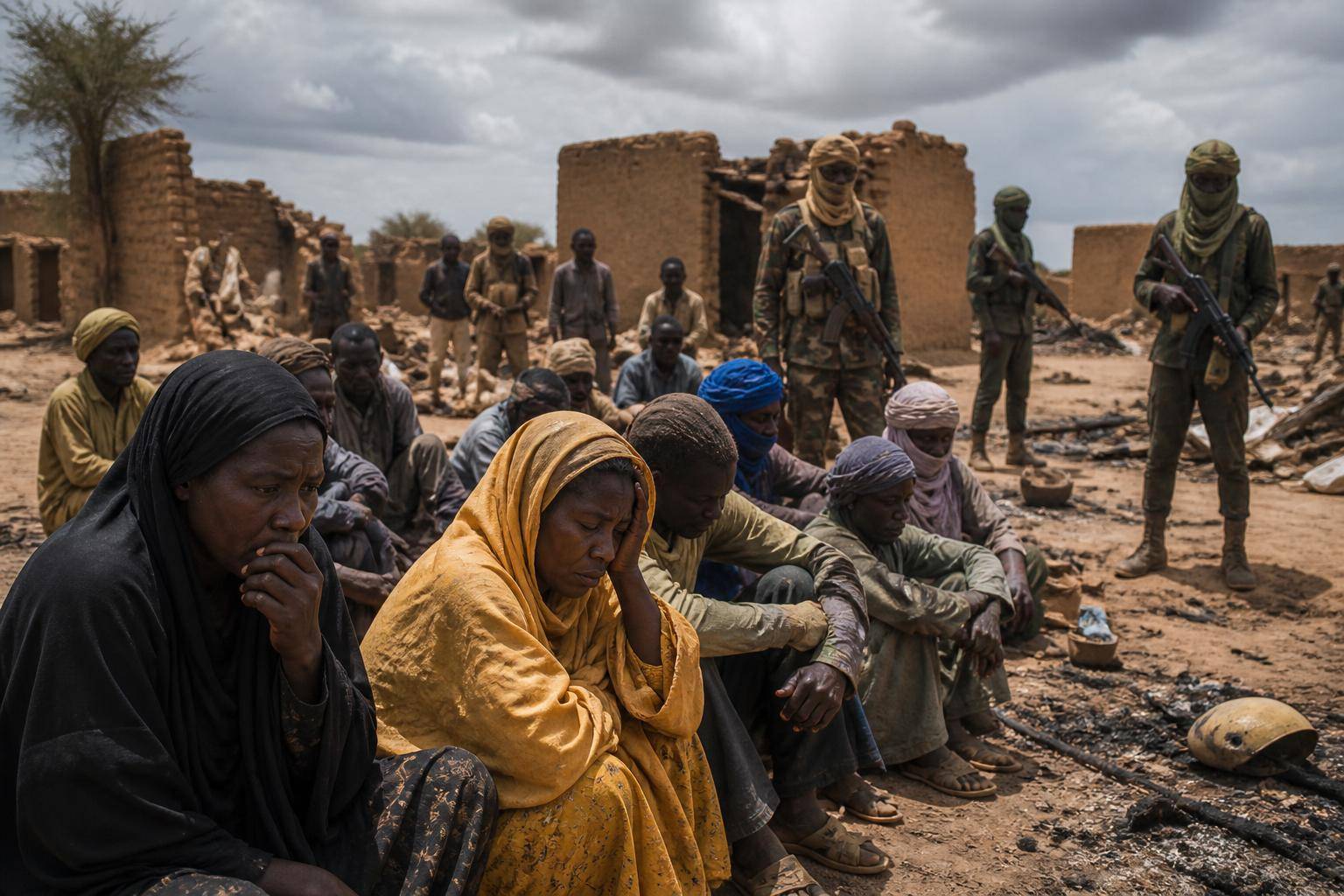
What followed the terror attack was not the protection the villagers expected, but a nightmare of indiscriminate violence. The Volunteers for the Defense of the Homeland (VDP), locally known as DomolLeydi, rushed to Doungouro under the pretext of pursuing the attackers. Instead, they unleashed a deadly purge targeting anyone wearing a turban—a traditional garment worn by traders and herders in the region. In a wave of senseless gunfire, 28 civilians were killed, many of whom were shopkeepers from Téra who had simply been in the wrong place at the wrong time.
A survivor recounted how the militiamen opened fire without hesitation, shouting accusations and showing no regard for evidence. To them, a turban was enough to mark a person as an enemy. The massacre left a community shattered, its trust in the very forces meant to defend it, irreparably broken.
the DomolLeydi phenomenon: a ticking time bomb
The horrors of Doungouro expose the dangerous flaws in Niger’s security strategy. By heavily relying on civilian militias to compensate for the shortcomings of the national army, the transitional government has inadvertently created a volatile and unchecked force. The VDP, though officially recognized, operate in a legal and operational gray zone. Without strict oversight or the consistent presence of trained military personnel, these groups frequently spiral into ethnic and cultural profiling, as seen in Doungouro.
Since the political transition, authorities have urged civilians to take up arms in self-defense. Yet arming untrained individuals without instilling a culture of respect for human rights and international humanitarian law is a recipe for disaster. The government, quick to condemn foreign interference, remains conspicuously silent when its own auxiliaries commit atrocities. The events in Doungouro are not an isolated incident but part of a disturbing pattern that deepens the rift between civilians and defense forces.
call for accountability and a shift in strategy
The actions of the VDP only serve to deepen insecurity, pushing marginalized communities further toward armed groups that pose as protectors. Niger cannot win this fight by turning against its own people. An independent investigation into the Doungouro massacre is urgently needed, with those responsible for the summary executions held accountable. The transitional government must take immediate steps to reform the VDP’s operations, ensuring all actions are conducted under the direct supervision of regular military forces.
Ending the practice of profiling based on ethnicity or attire is no longer optional—it is essential to preserving national cohesion. If no action is taken, Doungouro will stand as a grim reminder of a security strategy gone horribly wrong, where the state, through its militias, inflicts more harm on civilians than the terrorists it claims to fight. The families of the 32 victims demand justice. The lives lost on that black Monday were not collateral damage; they were sacrifices to a failing security doctrine.