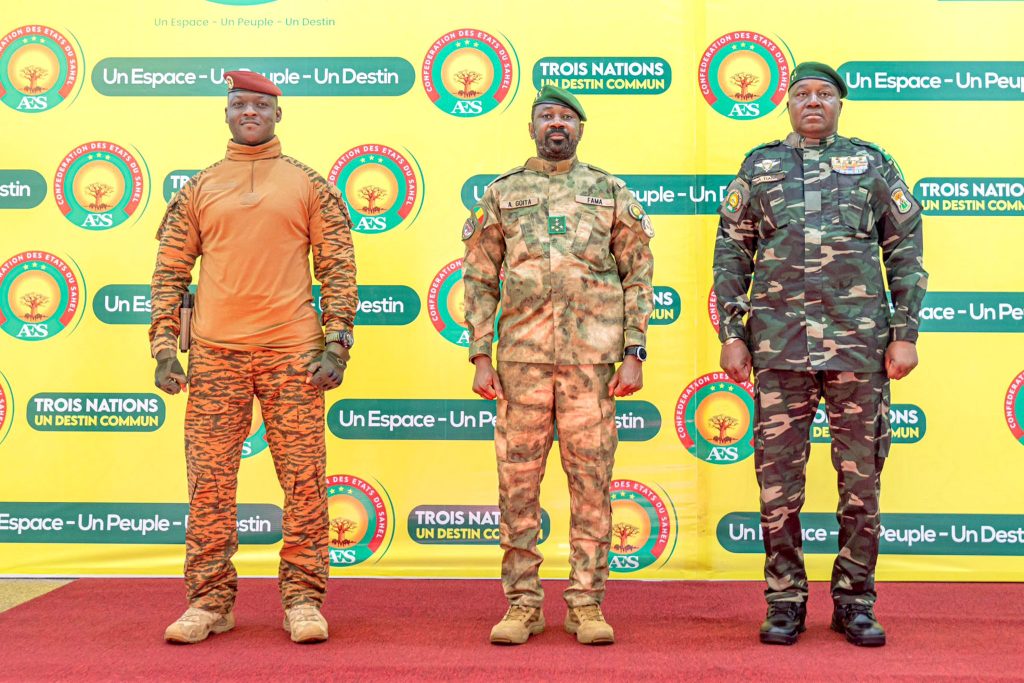
Across West Africa, renewed diplomatic efforts are reshaping relations between nations as security threats escalate and economic interdependence becomes undeniable. At the heart of this shift lies the urgent need to rebuild trust between the Economic Community of West African States (ECOWAS) and the Alliance of Sahel States (AES), comprised of Mali, Burkina Faso, and Niger.
Security imperatives drive diplomatic rapprochement
The diplomatic landscape in the region is undergoing a pragmatic transformation. After years of strained relations marked by mutual accusations and geopolitical realignments, both blocs are now exploring pathways to restore cooperation. The focus remains squarely on addressing the escalating security crisis that threatens to destabilize the entire subregion.
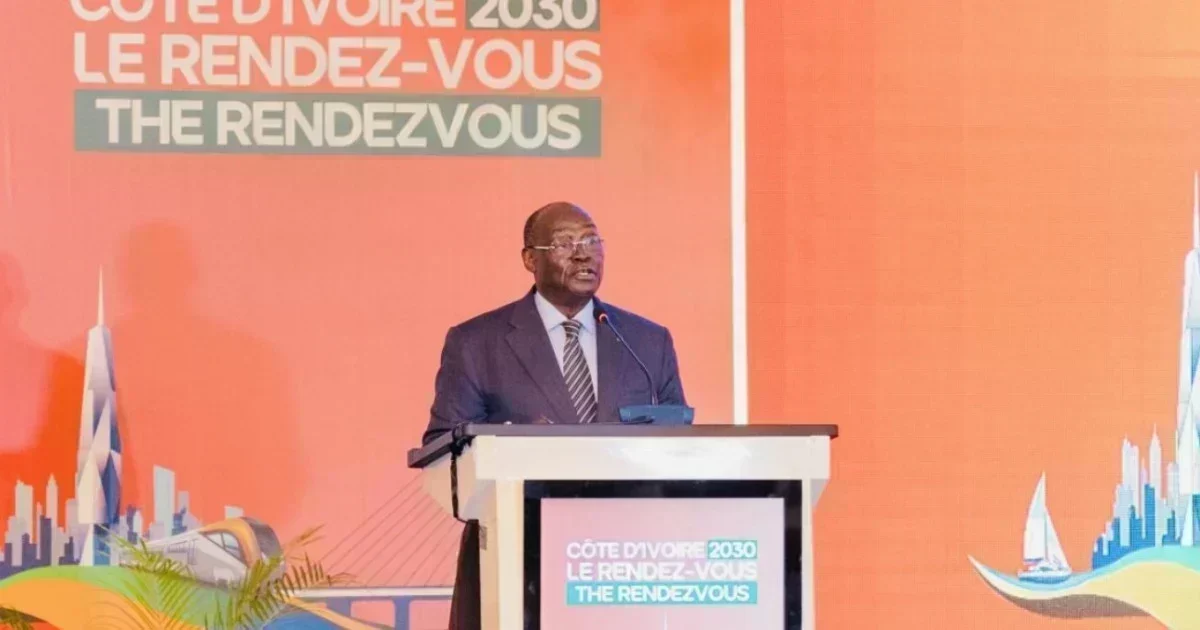
Recent statements from Côte d’Ivoire’s Defense Minister, Tene Birahima Ouattara, underscore this shift. On June 15, he declared the country’s readiness to resume security cooperation with Mali and Burkina Faso, emphasizing that combating terrorism demands collective action. «No single nation can defeat terrorism alone,» he noted, warning of the growing instability that could soon overwhelm the region.
Bénin and Niger seek new chapter in strained relations
To the north, Bénin has taken bold steps to mend fences with Niger, a neighbor whose border has remained closed since the July 2023 coup in Niamey. The election of President Romuald Wadagni has injected fresh momentum into reconciliation efforts, culminating in a two-day meeting of experts in Cotonou on June 20-21. The talks centered on security cooperation, border reopening, and counterterrorism measures.
Nigerian Interior Minister Mohamed Toumba hailed the dialogue as the dawn of a «new era» between the two nations. «By choosing dialogue over confrontation, we are securing our economies and protecting our people,» he stated. The discussions also addressed Niger’s persistent claims about alleged foreign military presence on Bénin’s soil—a narrative that persists despite lacking evidence.
Challenges of rebuilding fractured ties
While the rhetoric of cooperation grows, deep-seated mistrust lingers. The AES nations have repeatedly accused Côte d’Ivoire of harboring terrorist elements allegedly backed by Western powers, claims that have strained bilateral relations. Similarly, Niger’s military junta has long accused Bénin of hosting French military bases intended to destabilize the Sahel—accusations that Bénin vehemently denies while itself being a victim of terrorist attacks.
Regional cooperation beyond rhetoric
As ECOWAS and AES navigate this delicate phase, pragmatic bilateral agreements are emerging as critical bridges. Countries like Ghana, Guinea, Togo, and Senegal maintain functional relations with the AES despite their withdrawal from ECOWAS. Meanwhile, the AES nations continue participating in the West African Economic and Monetary Union (WAEMU), preserving economic ties even as political relations remain frozen.
The fundamental question remains: Was the rupture with ECOWAS justified? The initial catalyst was ECOWAS’s condemnation of coups in the AES nations and its refusal to recognize the legitimacy of military-led transitions. What began as a political divorce now risks becoming an enduring impasse—one that neither side can afford.