Gabon and Guinea-Bissau: a shared vision for a controlled transition
Libreville, August 20, 2026 — The diplomatic outreach from Libreville extends far beyond bilateral relations. By welcoming Guinea-Bissau’s transitional leadership during Gabon’s Independence Day celebrations, Brice Clotaire Oligui Nguema reaffirmed his commitment to supporting Bissau’s transition process, which began in 2025. His core message was clear: a transition’s legitimacy hinges on its ability to restore constitutional order within the promised timeframe.
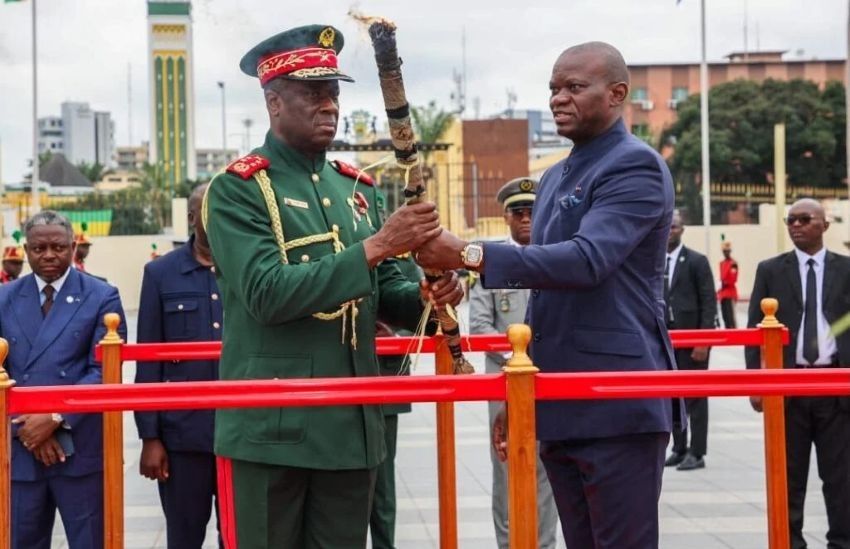
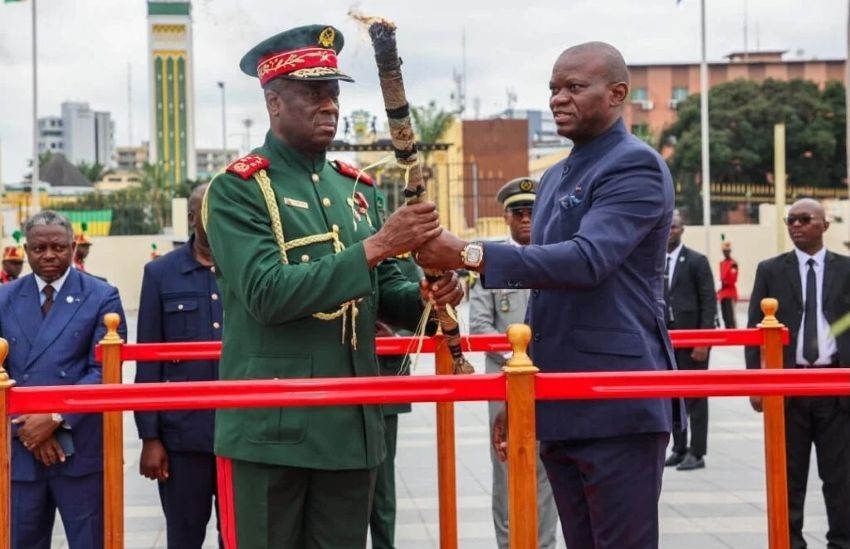
The high-level reception—complete with military honors, a parade, and the symbolic handover of the presidential flame—underscored Gabon’s unwavering support for Guinea-Bissau’s journey toward stability. Yet beyond ceremonial gestures, Libreville is advocating a strategic approach centered on governance, discipline, and strict adherence to deadlines.
From Libreville to Bissau: Gabon’s transition model as a blueprint
During bilateral talks, Oligui Nguema outlined three pillars he believes are essential for a successful transition: methodical execution, republican discipline, and strict compliance with the agreed timeline. Gabon’s recent experience serves as a case study for Guinea-Bissau, emphasizing that transitions must be temporary frameworks—not permanent states—and must lay the groundwork for credible institutional renewal.
For Libreville, the focus is on ensuring Guinea-Bissau’s constitutional referendum and upcoming presidential election—scheduled for December 6, 2026—are held without delay. These milestones will test the transition’s credibility, but the true measure of success lies in the election’s fairness, transparency, and inclusivity. Only then can the process regain public trust and restore international confidence.
Beyond political stability, the collaboration seeks to address socio-economic challenges. The two nations are prioritizing cooperation in biodiversity conservation, climate resilience, and youth vocational training—sectors critical to long-term development. Strengthening governmental consultation mechanisms will ensure these commitments translate into tangible programs with measurable outcomes.
A Gabonese doctrine for African transitions
Oligui Nguema’s engagement with Guinea-Bissau reflects a broader continental ambition: to redefine how African transitions are managed. The challenge is balancing the need for stability with the imperative of returning to civilian-led governance. Libreville’s stance is unequivocal: transitions must be temporary bridges, not permanent dwellings.
This approach demands transparency, accountability, and a clear roadmap. It rejects the normalization of prolonged exceptional rule and instead champions open political competition as the cornerstone of renewal. For Guinea-Bissau, the December election will be pivotal; for Gabon, it’s an opportunity to showcase how national lessons can foster continental cooperation.
The message from Libreville is unambiguous: exceptional power can open new chapters, but only a structured return to legitimate institutions can truly close them.