Deadly Assault in Bombori: Evidence Points to Africa Corps
In a shocking display of violence, forces linked to Russia’s Africa Corps killed nine civilians, including four children, in the central Malian village of Bombori in early July 2026. Dozens more were beaten as fighters rampaged through the community, looting and burning at least eight homes in what witnesses describe as a brutal hunt for suspected Islamist militants.
The attack unfolded just before dawn on July 10, when over 100 Africa Corps fighters, accompanied by Malian soldiers, stormed Bombori in Mopti region. Using pickup trucks and motorcycles, they targeted the Fulani quarter, dragging residents from their homes and forcing at least 80 men and boys to kneel under a tree. Brutal interrogations followed, with threats of execution if answers were withheld. Six civilians were shot while trying to escape, while three others were taken away—one of whom was later found decapitated.
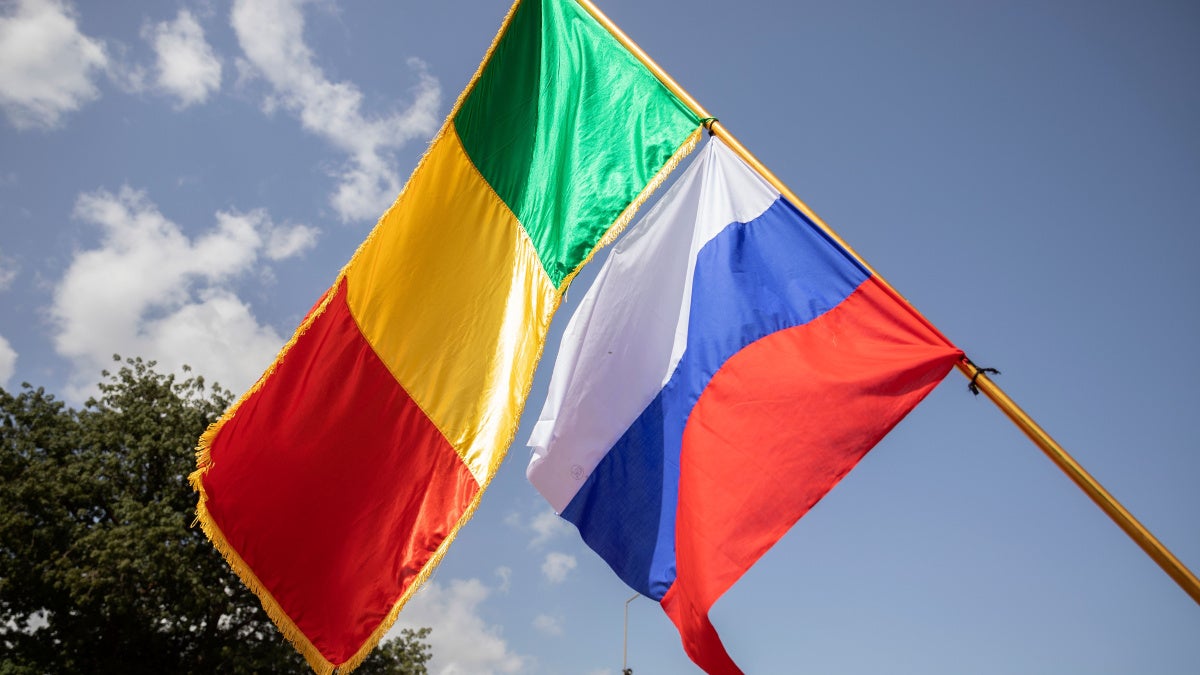
Local testimonies reveal a coordinated operation under Russian command. A 39-year-old villager recalled seeing “more than 100 heavily armed men in military gear,” including a white commander communicating via radios. Another witness, a 57-year-old butcher, described seven pickup trucks mounted with machine guns and over 60 motorcycles bearing Malian flags. “The Russians were in charge,” he stated plainly. “They moved aggressively, shooting into the air as they questioned villagers.”
From Wagner to Africa Corps: A Shift in Malian Security
Since 2021, Mali’s military junta has relied on Russian-backed security forces to combat Islamist insurgencies. The controversial Wagner Group, which previously operated in Mali, announced its withdrawal in June 2025 after declaring its mission complete. Its replacement, the Africa Corps—directly controlled by the Kremlin—has absorbed many former Wagner fighters and leaders. Reports indicate the Africa Corps maintains the same operational tactics, raising concerns about continued human rights violations.
Human rights advocates warn that Malian authorities cannot evade accountability. “The junta appears to have granted Africa Corps a free hand to commit atrocities,” said Ilaria Allegrozzi, a senior Sahel researcher. “They must conduct swift, impartial investigations and prosecute all responsible parties, including Malian soldiers complicit in these crimes.”
Ethnic Targeting and Systematic Abuse
Witnesses confirm the Africa Corps forces deliberately confined their assault to the Fulani quarter of Bombori, sparing the nearby Rimaïbé district. One Rimaïbé resident, a butcher, noted, “I stayed at my brother’s forge without issue. They didn’t enter our homes or detain anyone—only the Fulani were targeted.” This pattern reflects a disturbing trend: Fulani communities have long faced disproportionate violence, often accused of collusion with Islamist groups like the Group for the Support of Islam and Muslims (GSIM), an Al-Qaeda affiliate active in the region since 2017.
The GSIM, which once controlled Bombori, abandoned the village the night before the attack. Residents reported seeing armed fighters depart silently, leaving civilians unprotected. “They left us to fend for ourselves,” said a 38-year-old man. Despite occasional ties to the group—such as collecting “zakat” taxes—local men described as non-combatants were among those executed. Three were abducted and later found dead, one decapitated and two others with slit throats.
The aftermath revealed harrowing details. A 40-year-old survivor recounted seeing two men gunned down in front of him, their bodies riddled with bullets. Children as young as six were among the dead, their small frames found near smoldering homes. Eight Fulani households had their possessions stolen, and their dwellings torched. “I saw smoke rising from the Fulani quarter toward the mosque,” the butcher recalled. “Afterward, I counted eight huts burned and five grain stores destroyed.”
International humanitarian law is clear: deliberate attacks on civilians, executions, and torture constitute war crimes. All parties in Mali’s conflict—including Malian forces, GSIM, and Russian-linked units—are bound by these protections. Yet, as Bombori’s massacre shows, impunity persists.
In early August, formal inquiries were sent to Russian and Malian defense authorities. No responses have been received to date, further underscoring the lack of accountability.
Bombori’s Tragedy: A Microcosm of Mali’s Crisis
Bombori’s ordeal encapsulates the broader struggle in Mali, where civilians are trapped between Islamist militants and state forces backed by foreign actors. Allegrozzi emphasized the grim reality: “This massacre is a stark example of the horrors unfolding in Mali. Neither side respects international law, and the people pay the price.”
With no justice in sight, communities like Bombori remain at the mercy of a conflict that shows no signs of abating.