Why Serie A’s cardiac checks blocked Khalaili’s transfer to Inter
The Union Saint-Gilloise’s signing of Anan Khalaili to Inter Milan collapsed after failing cardiac exams. What makes Italian football’s medical protocols so rigorous?
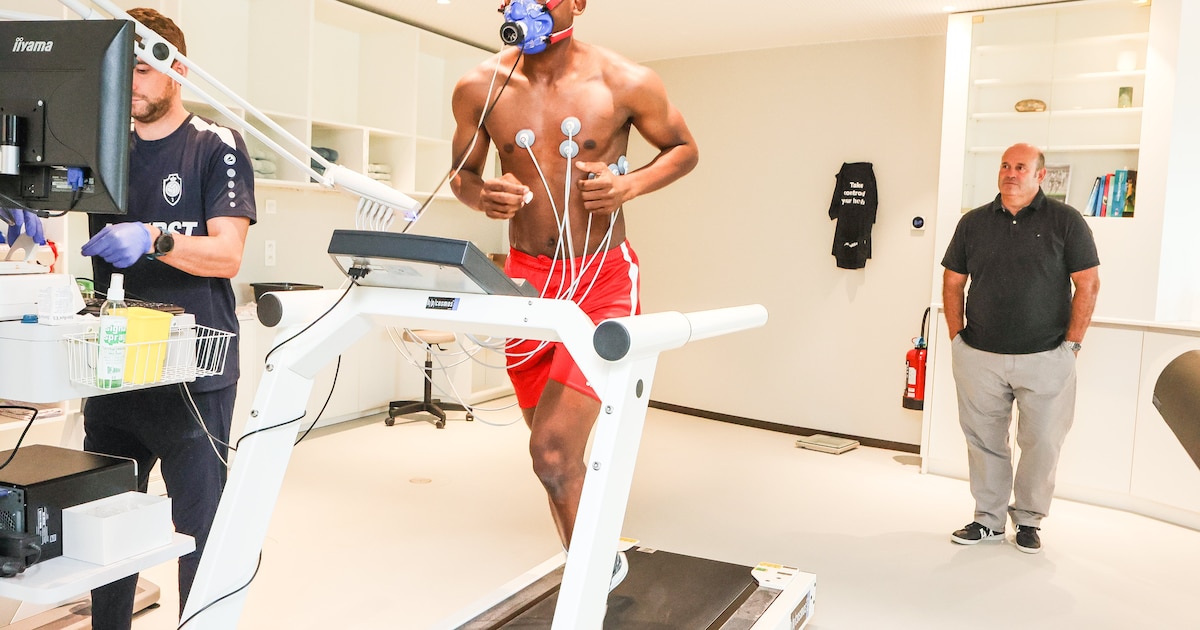
Anan Khalaili’s medical assessment for a potential move to Inter Milan hit an unexpected roadblock. After initial tests over the weekend, the Israeli midfielder underwent additional cardiac evaluations at Milan’s Humanitas hospital on Monday—yet failed to meet the Serie A’s stringent health standards. While specifics remain confidential, the outcome highlights Italy’s uncompromising approach to athletic heart screening, a policy that could ultimately steer Khalaili toward a different league.
Italian football enforces some of Europe’s strictest medical protocols for professional athletes. Before any transfer can be finalized, players must complete comprehensive health screenings at accredited sports medicine centers. If anomalies arise—particularly concerning cardiac function—the case is escalated to a specialist for deeper analysis.
No room for compromise
Outcomes are binary: either a player is cleared to compete, or they are barred from taking the field—no exceptions. Unlike in other leagues, final clearance isn’t left to clubs or individual doctors; an independent medical body makes the call.
This rigorous framework traces back to 1982, when Italy’s Ministry of Health designated specialized centers to conduct sports medicine evaluations. A 1995 decree further tightened protocols, introducing advanced cardiac assessments like echocardiograms and stress tests.
Related Posts
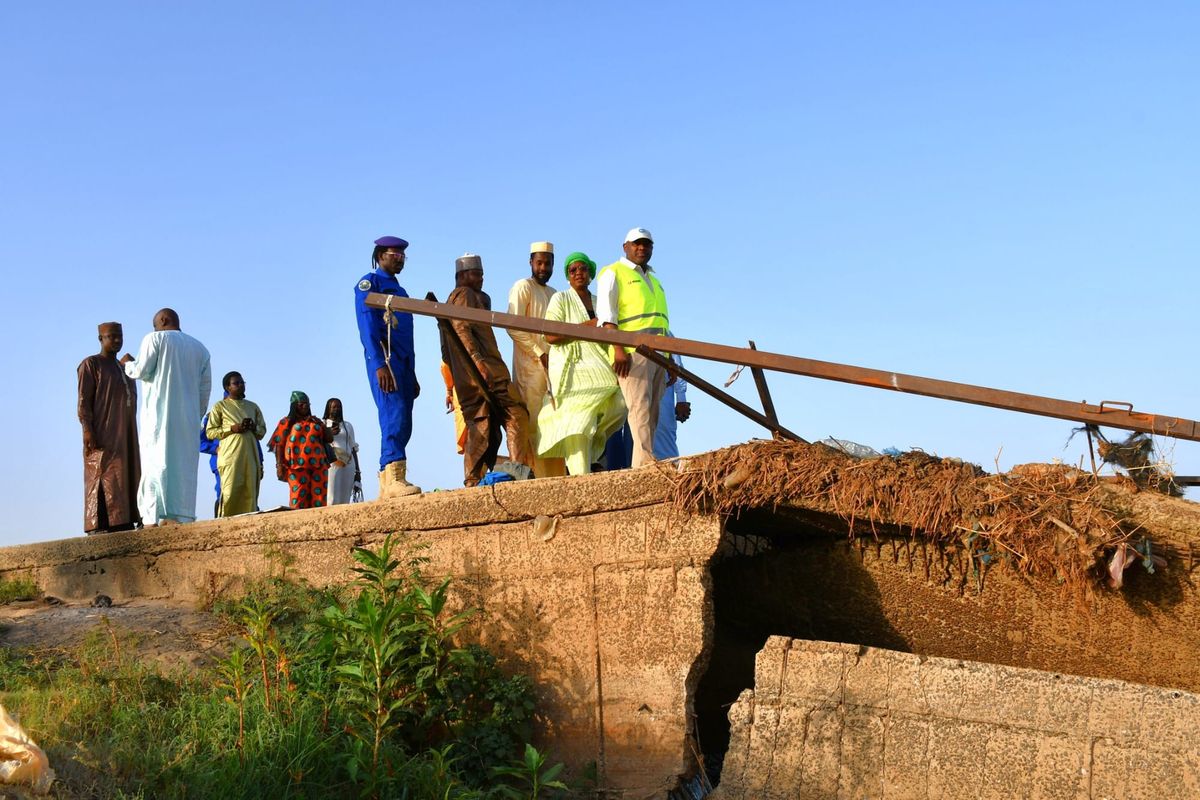
N’Djamena mayor mandates urgent repair of hilton discharge site for flood prevention
The Mayor of N’Djamena, Sanoussi Hassana Abdoulaye, recently spearheaded a significant delegation on an inspection tour of the damaged Hilton discharge site. This critical visit […]

Niger: vigilante militias linked to 28 civilian deaths after terror attack
massacre in Doungouro: when protectors become killers On a quiet market morning in Doungouro, a village tucked in the Tillabéri region of Niger, the arrival […]

Aurélien tchouaméni’s real madrid future in doubt ahead of world cup
The summer transfer window officially commenced on Monday, June 15th. Real Madrid has already secured the signing of Marc Cucurella, with Ibrahima Konaté potentially joining […]