The continent’s resource-rich nations are uniting in Abidjan to harness their mineral wealth for sustainable economic growth. At the heart of the discussions lies a shared vision: transforming Africa’s critical minerals into engines of local industrialization, job creation, and inclusive development.
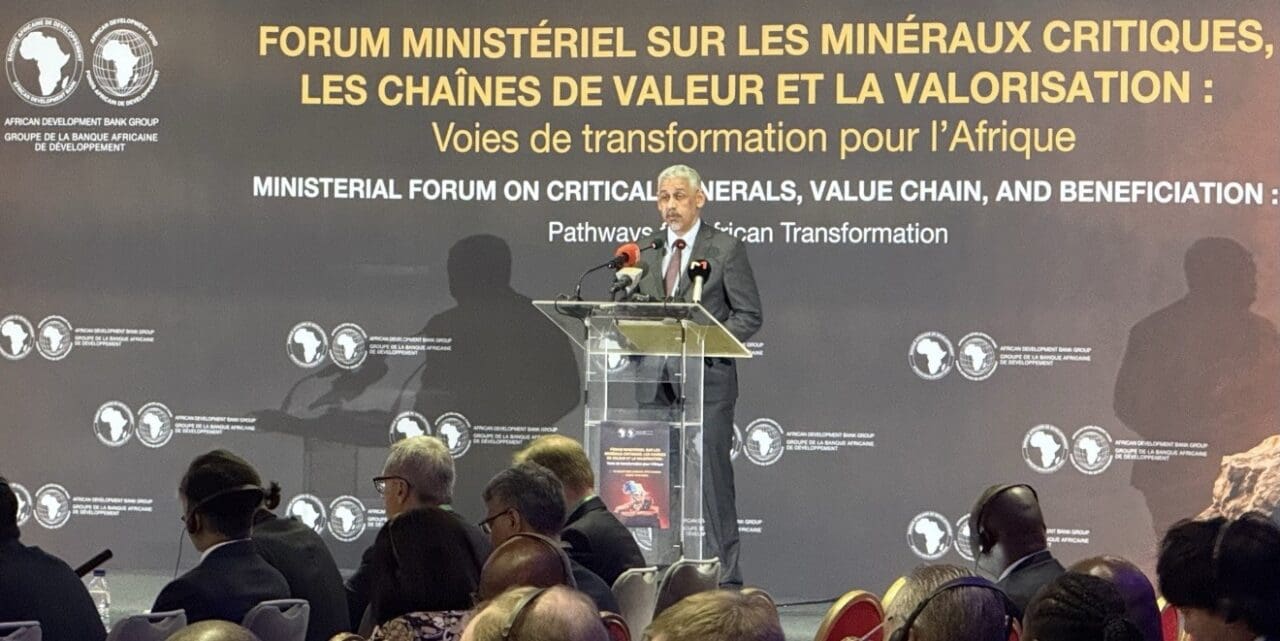
Ministers from African nations abundant in critical minerals, alongside development partners, convened in Abidjan for a high-level ministerial conference. The gathering focused on redefining Africa’s role in the global critical minerals economy, emphasizing value addition, regional value chains, and equitable resource governance.
Abidjan summit signals a new era for africa’s mineral wealth
The conference brought together key stakeholders, including ministers responsible for Mines, Energy, Industry, Green Economy, and Natural Resources. Participants also included representatives from the African Union Commission, the African Continental Free Trade Area (AfCFTA) Secretariat, the United Nations Economic Commission for Africa, regional development banks, financial institutions, and international investors.
The overarching goal? To ensure Africa maximizes the benefits from its vast critical mineral reserves while advancing sustainable and inclusive economic development.
Shifting the narrative: africa’s push for resource sovereignty
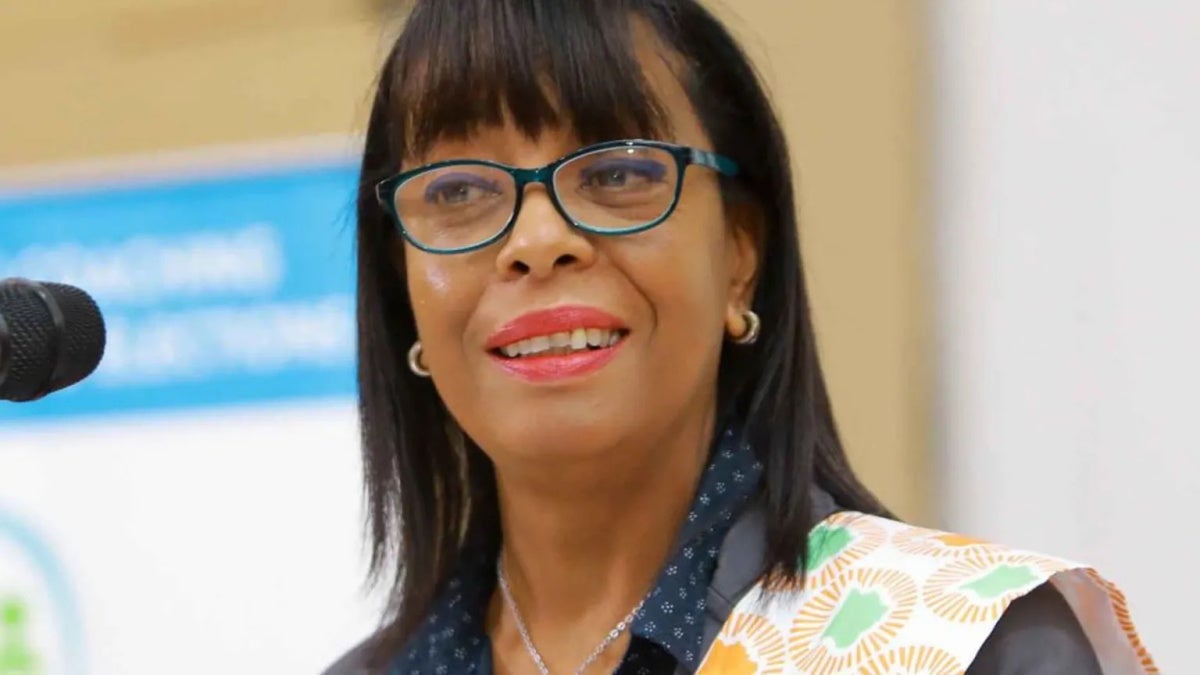
In his opening address, the President of the African Development Bank (AfDB), Sidi Ould Tah, called for a fundamental shift in how Africa manages its natural resources. He stressed the need to transition from raw material exports to local processing and value addition.
«This conference marks a turning point,» he stated. «We must establish a new partnership model that empowers African nations to harness their mineral wealth for direct benefit to their populations.»
Ould Tah highlighted critical challenges, including the undercapitalization of Africa’s development finance institutions. «Africa hosts over 100 such institutions, yet their combined balance sheets represent just 1% of global development finance,» he noted. «Consolidating and recapitalizing these institutions is essential to unlocking Africa’s mineral potential.»
He also underscored the importance of resilient infrastructure and local industries in ensuring that mineral wealth translates into tangible economic gains for African communities.
Côte d’Ivoire charts its path to mining-led prosperity
The Ivorian Minister of Mines, Petroleum, and Energy, Mamadou Sangafowa-Coulibaly, echoed the call for continental solidarity. «Transforming our mineral resources into sustainable wealth requires collaboration,» he said. «While each nation’s path may differ, no country can achieve its goals in isolation.»
Sangafowa-Coulibaly highlighted Côte d’Ivoire’s vast untapped potential, revealing that nearly three-quarters of the country’s territory may hold critical minerals. This resource wealth is central to the nation’s ambition to achieve upper-middle-income status by 2030.
To realize this vision, Abidjan is rolling out a comprehensive mineral and energy strategy for 2026–2040, with an estimated investment of 38 trillion West African CFA francs. The plan relies heavily on private sector participation, with 88% of funding expected to come from investors.
Unprecedented global demand meets Africa’s colossal potential
Africa holds approximately 30% of the world’s reserves of minerals critical to the energy transition, including cobalt, lithium, graphite, rare earths, platinum group metals, copper, manganese, and nickel. The estimated value of these resources exceeds $29.5 trillion—more than eight times Africa’s annual GDP and nearly 20% of global mineral wealth. Of this, roughly $8.6 trillion remains untapped.
Meanwhile, global demand for these minerals is poised for explosive growth by 2040. Platinum group metals are projected to see a surge of over 1,000%, lithium demand could rise by 842%, and copper needs may increase by 88% compared to 2023 levels.
A historic opportunity for sustainable industrialization
The global shift toward clean energy is driving this demand. The electric vehicle and battery value chain alone could expand from $7 trillion in 2030 to $59 trillion by 2050.
In response, African leaders in Abidjan are determined to break free from the cycle of exporting raw materials. Their goal is to leverage critical minerals as a catalyst for industrialization, job creation, and long-term prosperity across the continent.