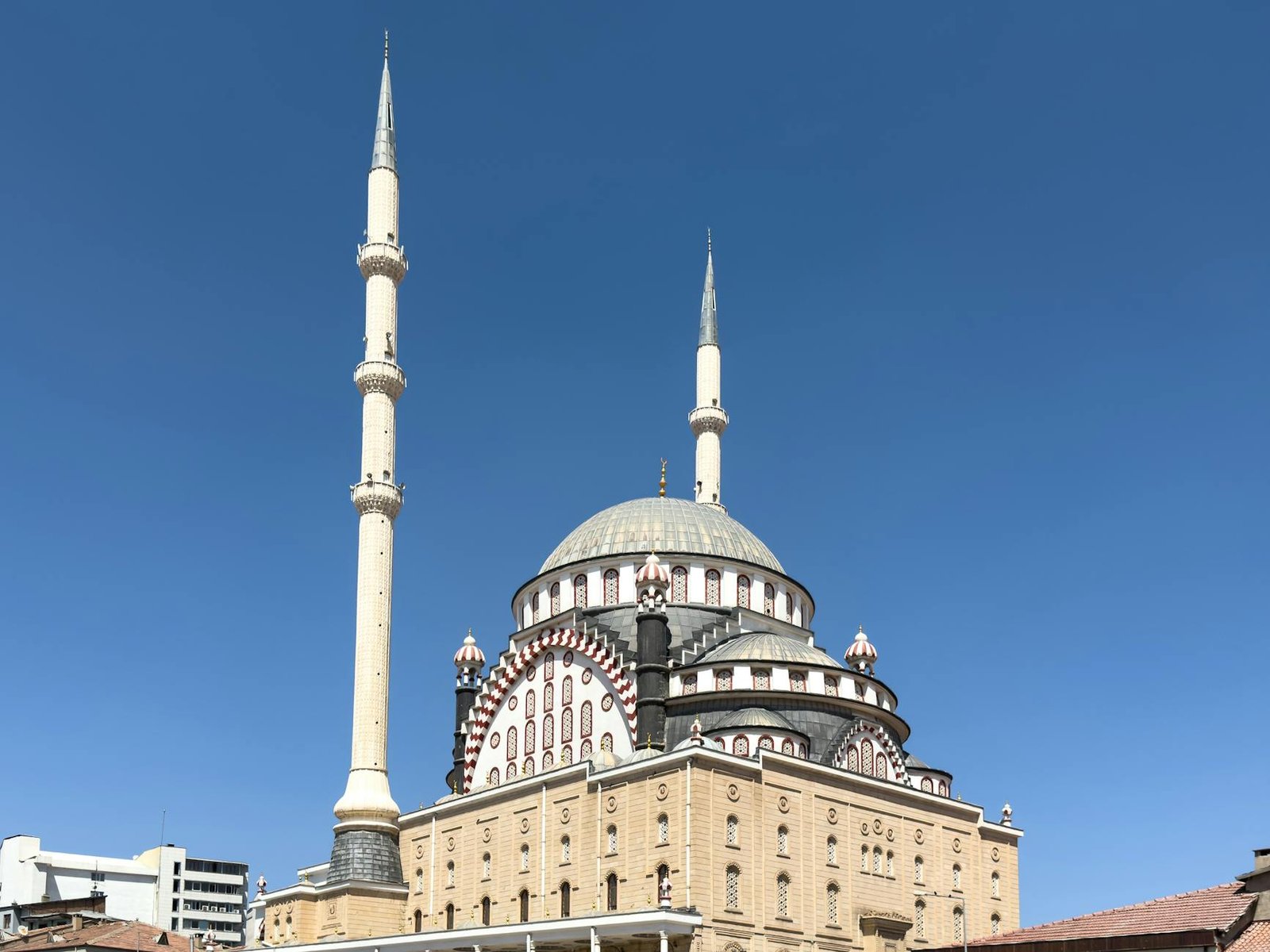
Ouagadougou’s largest sunni mosque, a key place of worship for the capital’s Muslim community, has been sealed off by security forces since May 29. The transitional government led by Captain Ibrahim Traoré ordered its indefinite closure, citing risks to public order. Barriers now surround the building, with armed personnel preventing any gatherings near the entrance.
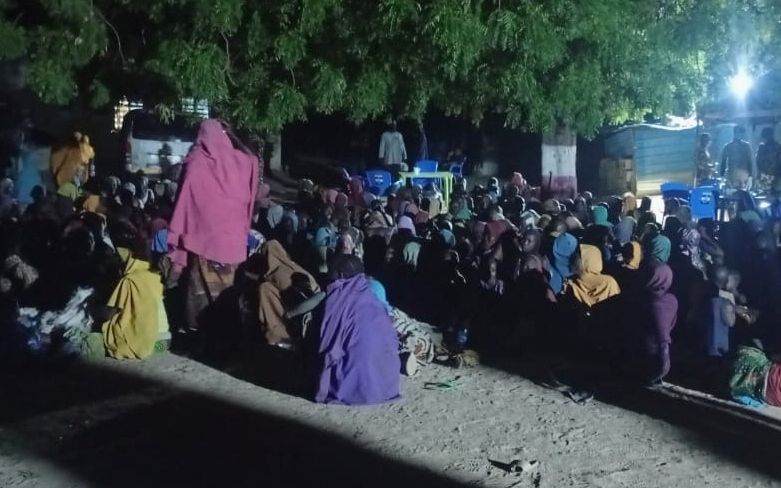
The decision comes at a delicate moment, just before the Muslim festival of Eid al-Adha, locally known as Tabaski. On the previous Tuesday evening, hundreds of worshippers gathered outside the mosque, demanding answers about their missing imam, who vanished days earlier. This rare public protest—unusual in a country where civic space has shrunk since the 2022 coup—prompted swift government action.
Days of unrest over imam’s disappearance
The mosque’s closure is not an isolated incident but the climax of a week-long crisis. Followers have mobilized to uncover what happened to their spiritual leader, yet authorities have disclosed no details. No official statement has confirmed whether security services detained the imam.
In recent months, Burkina Faso has seen documented cases of enforced disappearances targeting critics or perceived opponents of the military regime. Judges, journalists, traditional leaders, and civil society figures have faced prolonged military custody or arrests under expanded legal powers justified by the fight against armed jihadist groups.
A calculated move ahead of Tabaski
The timing of the closure raises questions. By shutting down a major religious site days before the country’s most important Muslim holiday, authorities sent a clear warning to a community that holds both demographic and symbolic weight in Burkina Faso, where Muslims form the majority. The Ouagadougou sunni mosque is no ordinary landmark—it serves as a central hub for the country’s sunni movement, particularly the Sunni Movement, and typically draws thousands for major prayers.
The measure underscores the junta’s struggle to balance internal pressures while battling an insurgency that has destabilized several regions since 2022. Since taking power, the military leadership has repeatedly signaled firmness against dissent, whether from civil society, suspended political parties, or now religious groups. Rarely has a mosque been closed for public order reasons, a decision that risks fueling concerns over restrictions on religious freedoms.
Tensions threaten Burkina Faso’s religious harmony
Burkina Faso has long been praised for its peaceful coexistence between Muslims, Christians, and followers of traditional faiths. However, this fragile balance is now under strain, worsened by jihadist violence that frequently targets places of worship from both major religions. The current standoff between the state and the organized sunni community in the capital could further destabilize interfaith relations.
Observers of Burkina Faso’s transition argue that the next steps will be critical. A swift reopening of the mosque, clear updates on the imam’s fate, and dialogue with sunni leaders could ease tensions. Conversely, maintaining the security cordon could deepen resentment among worshippers, many of whom remain uninvolved in public opposition to the regime. Reports indicate that followers continue to demand explanations for their imam’s disappearance.