When President Romuald Wadagni appointed Captain Elvire Toupé as his aide-de-camp following his inauguration, the move was widely applauded. Yet, despite this historic milestone, women remain significantly underrepresented in elective and political roles across Benin.
a historic first for beninese women
Captain Elvire Toupé’s appointment marks a first in Benin’s post-independence history. As an officer in the Republican Guard, she now serves as aide-de-camp to the president—a position previously held exclusively by men since August 1, 1960, when Benin gained its sovereignty. Her nomination, announced after the first cabinet meeting on May 28, underscores a gradual shift in how women are perceived in the country’s governance.
echoes of the dahomey amazons
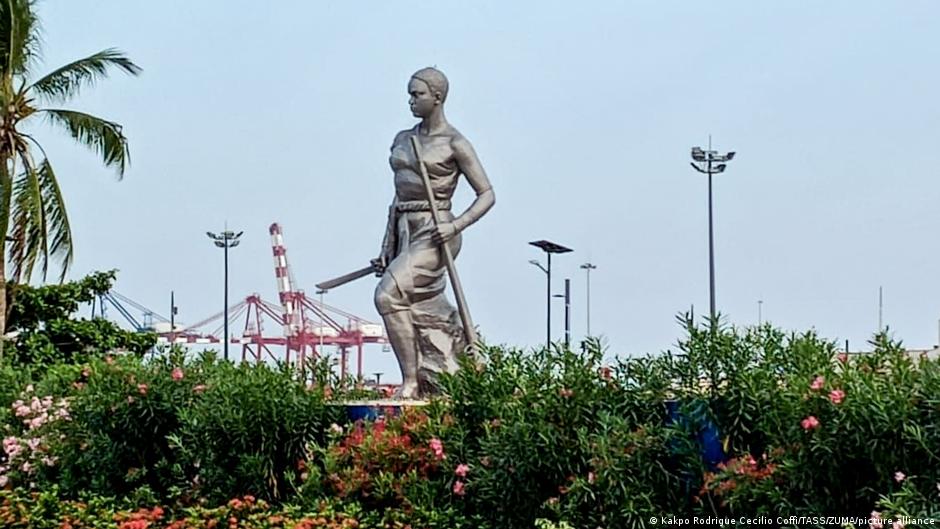
Journalist Wuldath Moussa Mama draws a powerful connection between Toupé’s appointment and the legendary Agodjié—Benin’s famed all-female military regiment that colonial observers dubbed the ‘Amazons.’ These warriors, elite fighters serving the Dahomey kings, symbolize courage, resilience, and leadership.
“This appointment revives the memory of the Amazons, who were not just warriors but pillars of decision-making in their time,” Mama reflects. “Is this an exception or the start of a broader movement to empower women in Benin’s political sphere?”
geopolitical insights on women’s rising influence
Régis Hounkpè, a political analyst and director of InterGlobe Conseils, sees Toupé’s role as a catalyst for change. “Her appointment is more than symbolic—it’s a model for young women across Benin,” he states. “The Amazons represent values that resonate deeply here: strength, strategy, and leadership. When girls see women in such positions, it reshapes their aspirations.”
still far from parity in governance
While progress is evident, the numbers tell a nuanced story. Benin’s current government includes six women among 23 ministers, a slight increase from the previous administration’s five. The vice presidency, held by Mariam Chabi Talata Zimé Yérima since 2021, holds symbolic weight but limited constitutional power.
The National Assembly reflects similar trends. In the 10th legislature (established February 2026), 28 of 109 deputies are women—25.7% of the total. While this matches the previous term’s representation, it highlights systemic challenges. A quota system reserves one seat per electoral district for women, yet only four deputies secured seats outside this framework.
“The issue runs deeper than quotas,” Mama notes. “It’s about how parties engage women in activism and leadership. Without structural change, progress will remain slow.”