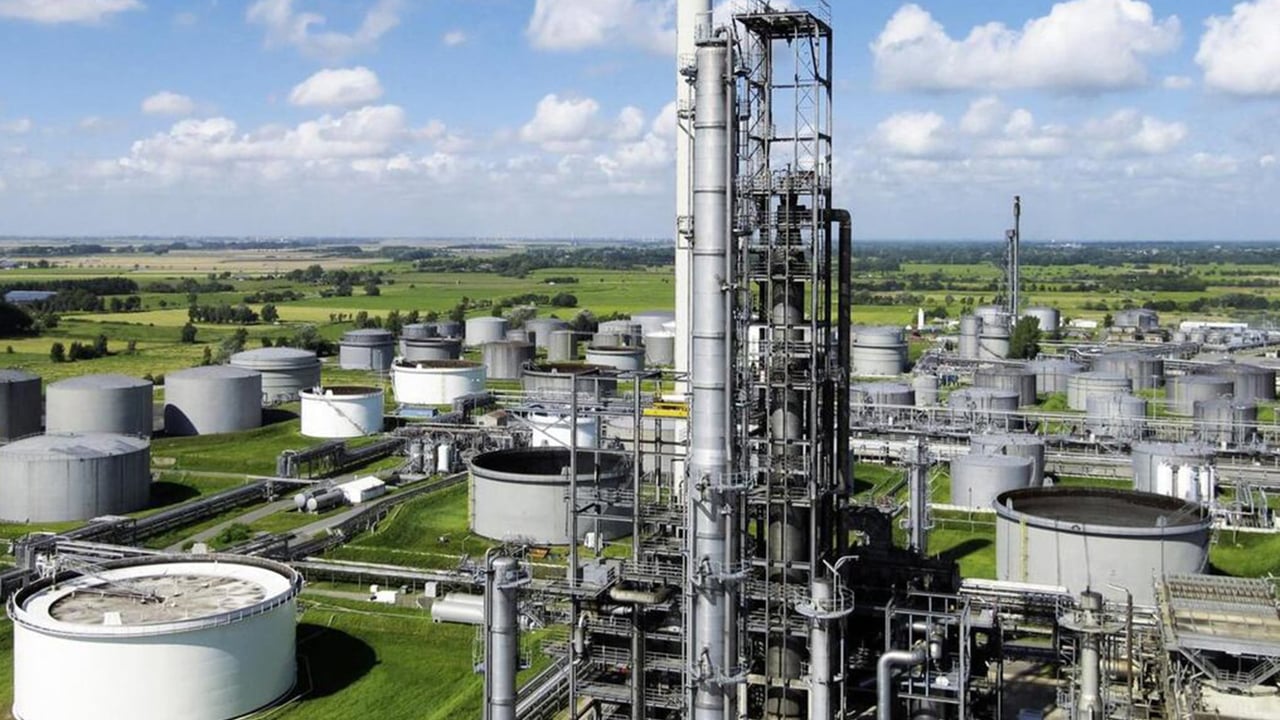
The national oil refinery in Limbé is at the heart of a major strategic shift. Authorities have decided to move away from the previous operational model and instead embrace a new public partnership approach for the Société Nationale de Raffinage (Sonara).
This decision marks a turning point in the management of Cameroon’s refining sector, reflecting a broader trend toward state-led economic initiatives in key industrial sectors. The move aims to enhance efficiency, ensure better oversight, and align the refinery’s operations with national development priorities.
Why Cameroon is pivoting its refining strategy
The shift away from the Parras 24 model comes after years of debate over its effectiveness. While the previous arrangement served its purpose, recent assessments revealed persistent challenges, including operational bottlenecks and limited alignment with national economic goals.
By opting for a public partnership framework, the government seeks to:
- Strengthen control over critical infrastructure, ensuring that Sonara’s activities directly support Cameroon’s energy security and industrial growth.
- Optimize resource allocation by leveraging public investments to modernize facilities and expand refining capacity.
- Enhance transparency through greater state involvement, reducing reliance on external operators and fostering accountability.
The future of Sonara under new management
This transition is not just about changing hands—it’s about redefining how Cameroon’s premier refinery operates. With the public sector taking the lead, Sonara is poised to play a more proactive role in the country’s energy landscape.
Industry analysts highlight that this shift could pave the way for:
- Increased domestic fuel production, reducing reliance on imports and stabilizing prices.
- Strategic upgrades to processing units, enabling Sonara to handle a wider range of crude oil grades.
- Greater integration with regional energy markets, positioning Cameroon as a refining hub in Central Africa.
The refinery’s leadership has already begun outlining a roadmap for this transition, with phased investments and targeted upgrades scheduled over the next five years.
As Cameroon charts this new course, the success of Sonara’s revamped model will depend on balancing public oversight with operational agility—ensuring that the refinery remains both a national asset and a competitive player in the regional market.