
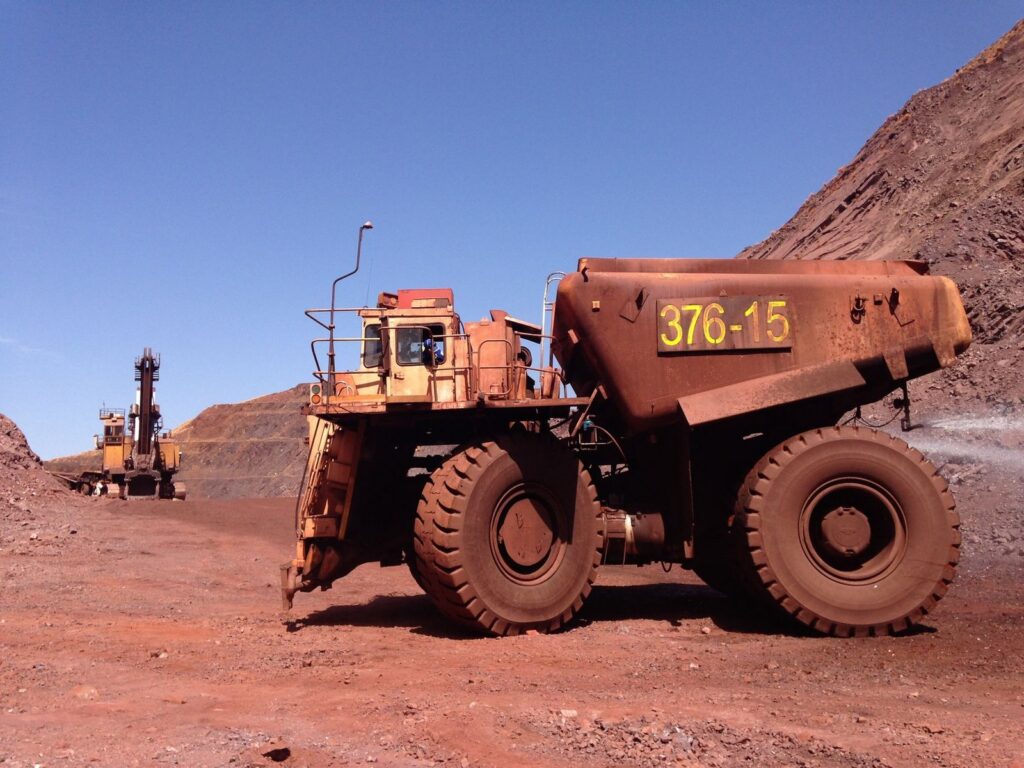
Critical minerals have become the lifeblood of the global energy transition and digital revolution, and Africa holds a commanding share of the world’s reserves. A landmark conference held on July 27, 2026, titled “Africa at the Crossroads: Navigating Geopolitical Competition in the Age of Critical Minerals”, brought together policymakers, extractive industry analysts, and civil society leaders to dissect a strategic shift reshaping the continent’s economic and security landscape.
Geopolitical rivalry reshapes Africa’s economic and political fabric
The surge in demand for cobalt, lithium, nickel, graphite, and rare earths—fueled by the electrification of transport and the expansion of digital infrastructure—has thrust Africa into the heart of a high-stakes global competition. Nearly 30% of the world’s identified critical mineral reserves lie beneath African soil, drawing the attention of major powers including Washington, Beijing, Brussels, Abu Dhabi, Riyadh, and Ankara. These actors are aggressively pursuing bilateral partnerships, equity stakes, and investment packages targeting Africa’s mining corridors.
While this competition grants mineral-rich states unprecedented bargaining power, it also exposes them to volatile commodity prices and the lure of short-term resource rents. The Democratic Republic of the Congo, a cobalt powerhouse, the Republic of Guinea with its vast bauxite deposits, Zimbabwe’s rising lithium sector, and Mozambique’s graphite resources exemplify contrasting trajectories—where mining wealth can either spur industrialization or exacerbate instability.
Mining governance and security frameworks under pressure
Governance emerged as a pivotal theme, with participants noting that value addition largely occurs beyond Africa’s borders. Refining, chemical processing, and battery manufacturing remain concentrated in Asia, confining most producing nations to the low-value extractive stage. Still, recent initiatives signal a shift in momentum. The landmark agreement between the Democratic Republic of the Congo and Zambia to develop a regional electric vehicle battery value chain stands as a prime example of progress.
Meanwhile, the extraction of critical minerals often takes place in areas plagued by latent or active conflict. Eastern Democratic Republic of the Congo, the Sahel, and parts of the Gulf of Guinea—regions rich in mineral wealth yet institutionally fragile—exemplify how resource abundance can fuel conflict economies. Armed groups frequently exploit opaque export channels. Speakers emphasized the need to strengthen traceability mechanisms, drawing on models like the Extractive Industries Transparency Initiative (EITI), and to bolster continental coordination to curb illicit trade and enhance stability.
Securing a second independence through local transformation
The concept of a “second independence” has gained traction among Africa’s mining circles. It encapsulates the continent’s ambition to break free from a colonial-era economic model—exporting raw materials while importing high-value manufactured goods. Achieving this vision demands substantial investments in energy infrastructure, technical training, the creation of special economic zones dedicated to metallurgical processing, and a reimagined fiscal regime for mining.
Several African nations are already taking decisive steps. Guinea has mandated the construction of an alumina refinery as part of the Simandou megaproject. Zimbabwe banned the export of raw lithium in 2022. Namibia and Botswana are exploring regulatory frameworks that require a minimum level of local processing. These measures, though sometimes met with resistance from international investors, mark a clear departure from the laissez-faire mining policies of the 1990s.
Discussions also highlighted the pivotal role of African financial institutions in structuring funding vehicles tailored to transformation projects. The African Development Bank (AfDB) and Afreximbank are developing dedicated instruments, while Gulf sovereign wealth funds are increasingly eyeing African mining assets. The struggle for mineral sovereignty will be waged not only in the mines but also in global financial markets. This conference underscored that control over critical minerals is fast becoming one of the defining benchmarks of African power in the 21st century.

More Stories
Africa’s critical minerals challenge in the era of global energy transition
Global tensions flare as nations clash at un security council
Olympique-lyonnais-fixe-programmation-match-auxerre-depends-du-resultat-contre-le-sparta-prague